Nigerian authority is restored
Legal title and custody should be clear, with Edo cultural authority and national stewardship treated as central.
About the campaign
Trophy Extra Special Stout is rooted in Nigerian pride. Reclaim Your DNA extends that pride into cultural heritage: objects taken from Benin City should be returned, documented, cared for and made reachable by the people they belong to.

Overview
The campaign frames heritage as something people should be able to see, study, name, question and pass on. Return matters because authority matters. Records matter because public trust needs proof. Access matters because heritage is alive only when people can use it.
Return should not end at possession. It should become public memory, classroom material, conservation work and renewed cultural confidence.Reclaim Your DNA campaign standard
History
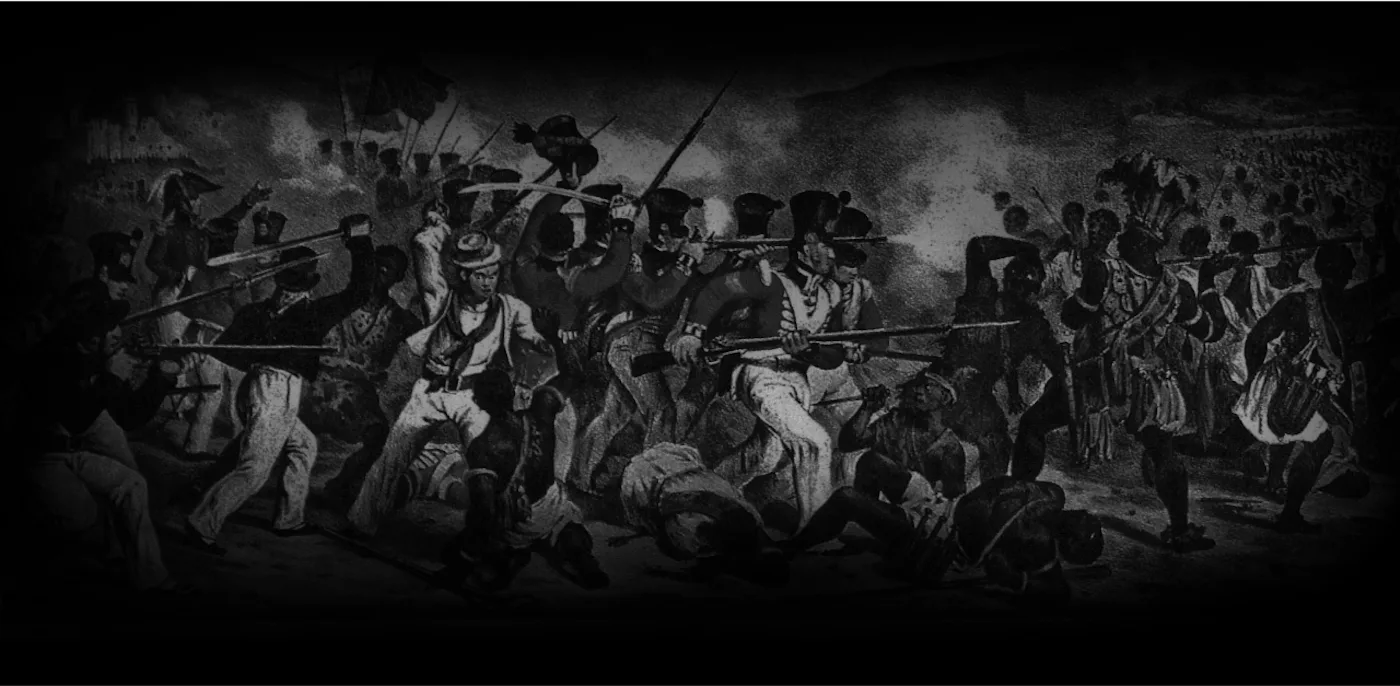
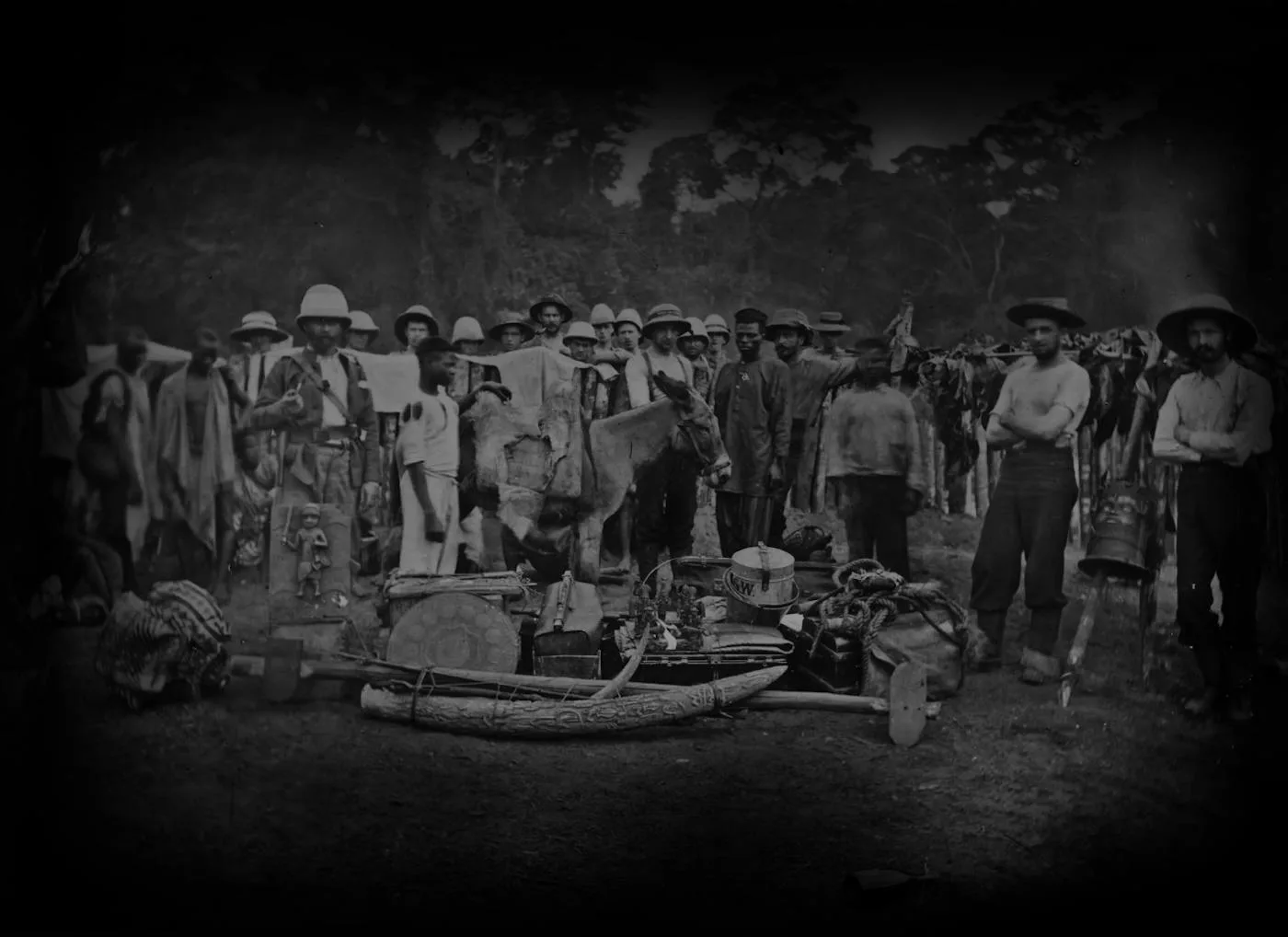
The palace was burned, royal and ceremonial objects were taken, and thousands of works entered foreign museums, private collections and the art market.
For more than a century, Nigerian institutions, Edo authorities and cultural advocates have demanded return. The campaign challenges the old assumption that heritage taken by force should remain abroad by default.
The crime of disinheritance
The objects carry court history, ritual knowledge, royal memory, craft systems and language. When they are held out of reach, the loss is educational, civic and emotional.
British forces captured Benin City, damaged the palace and removed royal objects that later scattered through global collections.
Digital Benin and partner institutions show the scale of dispersed records, images, names and provenance trails.
The Netherlands returned 119 Benin Bronzes, and Cambridge transferred legal ownership of 116 Benin artefacts to Nigeria's NCMM.
The past and the future
The campaign imagines returned heritage that is not hidden after handover: visible in Nigerian museums, traceable in digital records, explained in schools, and available to artists, families, scholars and diaspora communities.
Sign the petition
What success looks like
The campaign's public standard is simple enough to remember and strong enough to measure.
Legal title and custody should be clear, with Edo cultural authority and national stewardship treated as central.
People should be able to learn where objects are, how they returned, whether they are displayed, and how they are cared for.
Schools, families, artists and diaspora groups should be able to use records, images, names and stories as living material.