This long-form guide is part of the Reclaim Your DNA blog, created to help readers understand Nigerian heritage, the Benin Bronzes, the 1897 looting of Benin City, and the modern movement for cultural restitution. It is structured for search visibility, but the deeper aim is public clarity: readers should leave with context, evidence, and a concrete path to action.
What happened in Benin City in 1897
In February 1897, a British military expedition entered Benin City after a political crisis between the Kingdom of Benin and British imperial authorities. The palace complex was burned, royal spaces were broken open, and thousands of objects were removed from the city. That violent setting matters because the later museum language of acquisition, collection, and display can make the origin of the objects sound administrative rather than coercive. For readers following the Benin Bronzes restitution conversation, the important point is that this history is not abstract. It gives the reader a clearer path from historical fact to moral responsibility. A source-led approach also keeps the conversation grounded: dates, object categories, custody paths, institutional statements, and public return announcements can be checked by anyone who wants to go deeper. For campaign readers, that means the next step is not only to agree emotionally, but to share sourced explanations, ask better questions of institutions, and support Nigerian-led cultural infrastructure.
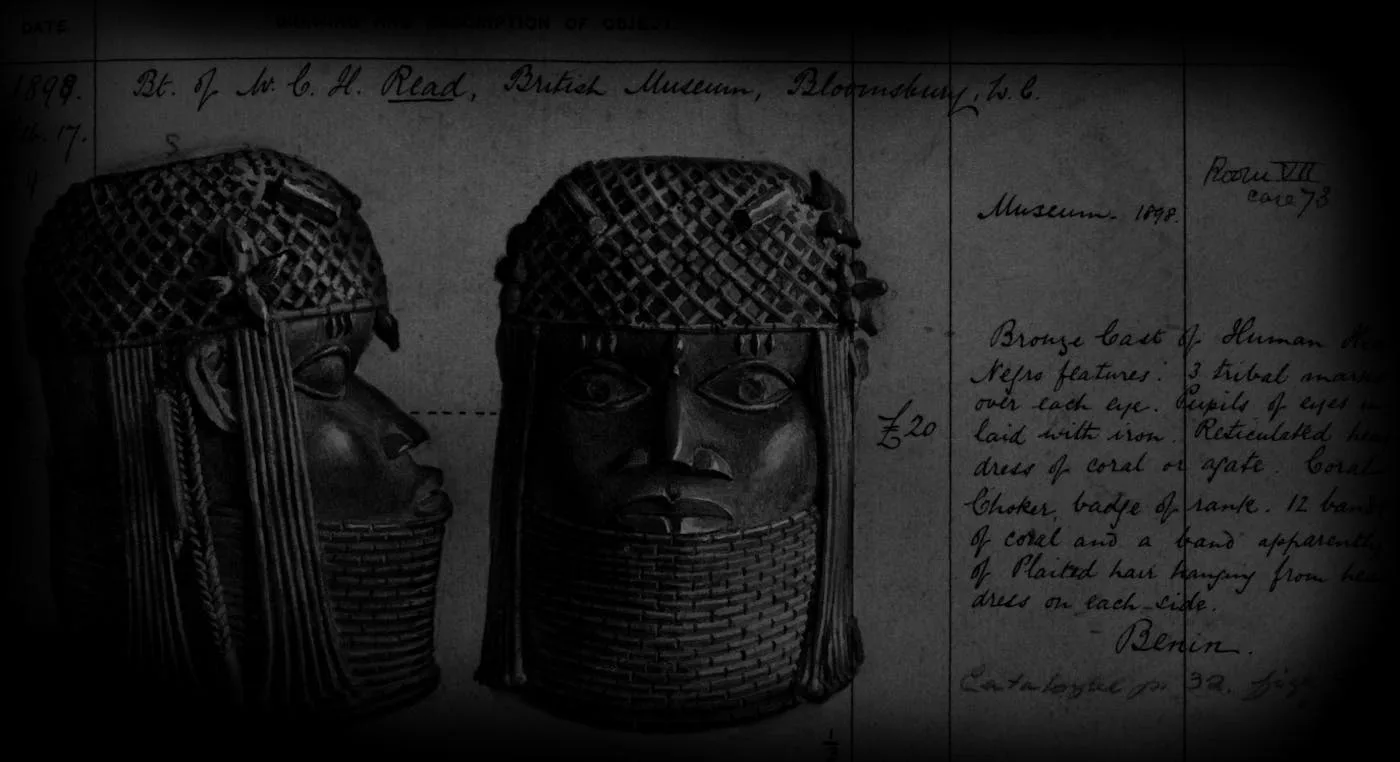
The objects now grouped under the name Benin Bronzes include brass and bronze plaques, commemorative heads, ivory works, bells, regalia, and court objects. They were not decorative souvenirs. They recorded political authority, royal genealogy, ritual memory, diplomatic contact, military history, and the achievements of guild artists working for the Oba's court. That is why this topic deserves more than a short caption or a museum label. It turns an inherited absence into something that can be named, studied, and repaired. The nuance is important because public memory is often shaped by repetition. If the same incomplete museum phrasing is repeated for decades, it begins to feel neutral even when the underlying history is not neutral at all. For museums and universities, it means that transparency should lead to decisions, not simply to more descriptive language around objects whose histories are already clear enough to require repair.
When people search for Benin Bronzes restitution, they are often looking for a simple answer: were these works bought, gifted, or stolen? The central answer for the famous 1897 group is that they were removed after a colonial military raid. That origin is why the demand for return is not a vague cultural preference; it is a claim about repair after force. This is also where the Reclaim Your DNA campaign connects research with public action. It helps people move from awareness to the concrete demand for return, access, and accountability. This is why the article links outward to references and inward to campaign pages. Search visibility should serve understanding, and understanding should make the reader more capable of acting with confidence. For Nigerian and diaspora audiences, it means that heritage can be treated as active knowledge: something to learn, teach, protect, reinterpret, and bring back into ordinary public life.
Why the word restitution is stronger than a loan
A loan assumes that the lending institution is the rightful owner. Restitution begins from a different moral and historical premise: the object should not have been taken, and legal possession does not erase the conditions of removal. For Nigerian communities, the issue is not simply whether an object can travel for an exhibition. It is whether authority over heritage is restored to the people and institutions connected to it. For readers following the Benin Bronzes restitution conversation, the important point is that this history is not abstract. It gives the reader a clearer path from historical fact to moral responsibility. A source-led approach also keeps the conversation grounded: dates, object categories, custody paths, institutional statements, and public return announcements can be checked by anyone who wants to go deeper. For campaign readers, that means the next step is not only to agree emotionally, but to share sourced explanations, ask better questions of institutions, and support Nigerian-led cultural infrastructure.
Museums that hold Benin works often emphasize care, public education, and global access. Those are real responsibilities, but they do not answer the deeper question of title. A well-lit gallery cannot repair a broken chain of custody if the object entered that gallery through the spoils of conquest. That is why this topic deserves more than a short caption or a museum label. It turns an inherited absence into something that can be named, studied, and repaired. The nuance is important because public memory is often shaped by repetition. If the same incomplete museum phrasing is repeated for decades, it begins to feel neutral even when the underlying history is not neutral at all. For museums and universities, it means that transparency should lead to decisions, not simply to more descriptive language around objects whose histories are already clear enough to require repair.
This distinction is important for Reclaim Your DNA because the campaign is not only asking audiences to admire beautiful objects. It asks them to recognize heritage as a living inheritance. The difference between borrowing a memory and reclaiming a memory is the difference between temporary visibility and restored dignity. This is also where the Reclaim Your DNA campaign connects research with public action. It helps people move from awareness to the concrete demand for return, access, and accountability. This is why the article links outward to references and inward to campaign pages. Search visibility should serve understanding, and understanding should make the reader more capable of acting with confidence. For Nigerian and diaspora audiences, it means that heritage can be treated as active knowledge: something to learn, teach, protect, reinterpret, and bring back into ordinary public life.
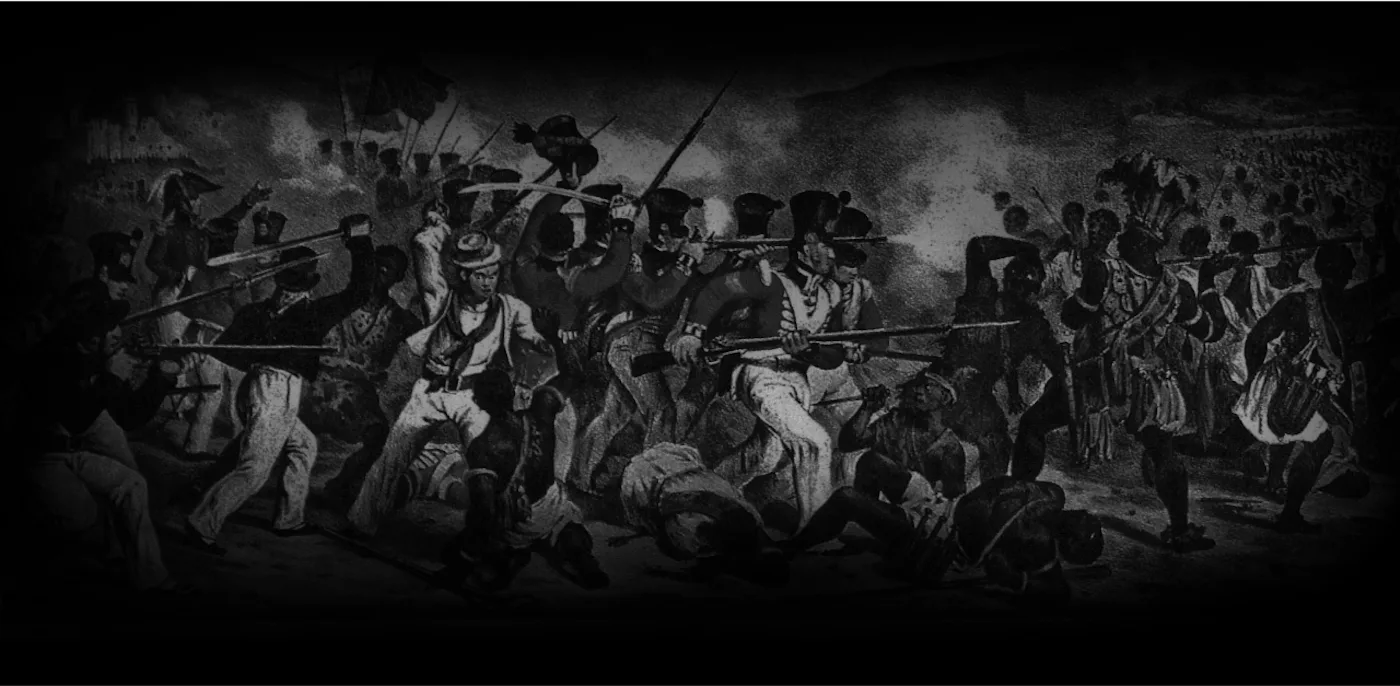
How the objects became global museum trophies
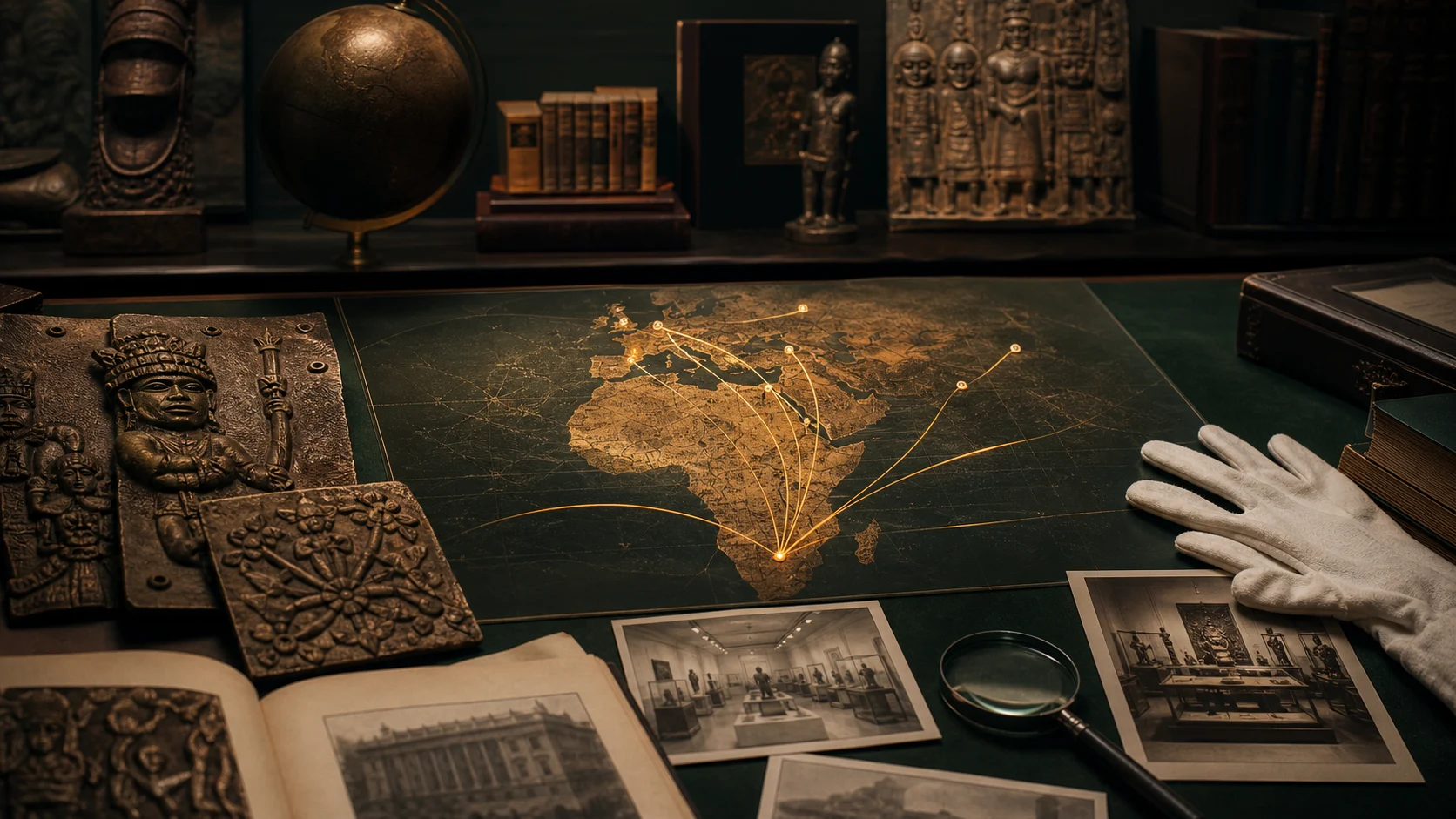
After the raid, many objects were sold, auctioned, exchanged, and absorbed into museum collections across Europe and North America. Some entered public museums quickly; others moved through dealers and private collections before reaching institutions. The result was a global scatter pattern that made Benin art famous in the West while making many works physically inaccessible to Nigerians. For readers following the Benin Bronzes restitution conversation, the important point is that this history is not abstract. It gives the reader a clearer path from historical fact to moral responsibility. A source-led approach also keeps the conversation grounded: dates, object categories, custody paths, institutional statements, and public return announcements can be checked by anyone who wants to go deeper. For campaign readers, that means the next step is not only to agree emotionally, but to share sourced explanations, ask better questions of institutions, and support Nigerian-led cultural infrastructure.
This dispersal also shaped art history. European audiences saw the technical sophistication of Benin casting and carving, often with surprise rooted in racist assumptions about African civilizations. The objects challenged those assumptions, but the challenge happened in rooms far from the communities whose ancestors created and preserved the works. That is why this topic deserves more than a short caption or a museum label. It turns an inherited absence into something that can be named, studied, and repaired. The nuance is important because public memory is often shaped by repetition. If the same incomplete museum phrasing is repeated for decades, it begins to feel neutral even when the underlying history is not neutral at all. For museums and universities, it means that transparency should lead to decisions, not simply to more descriptive language around objects whose histories are already clear enough to require repair.
The painful irony is that Benin art helped expand Western knowledge of African artistic genius while many Nigerians had to encounter that heritage through textbooks, photographs, or travel visas. That is why digital access is useful but insufficient: the digital record can reconnect knowledge, but it cannot replace the return of cultural authority. This is also where the Reclaim Your DNA campaign connects research with public action. It helps people move from awareness to the concrete demand for return, access, and accountability. This is why the article links outward to references and inward to campaign pages. Search visibility should serve understanding, and understanding should make the reader more capable of acting with confidence. For Nigerian and diaspora audiences, it means that heritage can be treated as active knowledge: something to learn, teach, protect, reinterpret, and bring back into ordinary public life.
What source-backed history adds to the campaign
Source-backed writing protects the campaign from becoming only a slogan. British Museum collection histories acknowledge the 1897 expedition and the presence of more than 900 Benin objects in that collection. Digital Benin gathers object records, provenance information, archival documents, and Edo-language context so that the public can follow the trail with evidence rather than rumor. For readers following the Benin Bronzes restitution conversation, the important point is that this history is not abstract. It gives the reader a clearer path from historical fact to moral responsibility. A source-led approach also keeps the conversation grounded: dates, object categories, custody paths, institutional statements, and public return announcements can be checked by anyone who wants to go deeper. For campaign readers, that means the next step is not only to agree emotionally, but to share sourced explanations, ask better questions of institutions, and support Nigerian-led cultural infrastructure.
Those sources do not remove disagreement. They make disagreement more accountable. When a museum says it is researching provenance, readers can ask what the record shows, how quickly the institution is acting, and whether research is being used as a bridge to return or as a way to delay decision-making indefinitely. That is why this topic deserves more than a short caption or a museum label. It turns an inherited absence into something that can be named, studied, and repaired. The nuance is important because public memory is often shaped by repetition. If the same incomplete museum phrasing is repeated for decades, it begins to feel neutral even when the underlying history is not neutral at all. For museums and universities, it means that transparency should lead to decisions, not simply to more descriptive language around objects whose histories are already clear enough to require repair.
For SEO and public education, the evidence should be visible in every article. Readers should be able to move from the story to the sources, from the sources to the petition, and from the petition back to the wider campaign narrative. Internal links are not just a ranking tactic; they are a way to help people understand the case step by step. This is also where the Reclaim Your DNA campaign connects research with public action. It helps people move from awareness to the concrete demand for return, access, and accountability. This is why the article links outward to references and inward to campaign pages. Search visibility should serve understanding, and understanding should make the reader more capable of acting with confidence. For Nigerian and diaspora audiences, it means that heritage can be treated as active knowledge: something to learn, teach, protect, reinterpret, and bring back into ordinary public life.
The human meaning of a returned object
A returned Benin object is not only a museum item changing address. It is a public acknowledgement that colonial violence created cultural absence. The object carries artistic skill, religious memory, political history, and family continuity. When it comes home, the return reopens a relationship that was interrupted by force. For readers following the Benin Bronzes restitution conversation, the important point is that this history is not abstract. It gives the reader a clearer path from historical fact to moral responsibility. A source-led approach also keeps the conversation grounded: dates, object categories, custody paths, institutional statements, and public return announcements can be checked by anyone who wants to go deeper. For campaign readers, that means the next step is not only to agree emotionally, but to share sourced explanations, ask better questions of institutions, and support Nigerian-led cultural infrastructure.
That does not mean every practical question is easy. Nigeria must decide how returned objects are conserved, displayed, studied, and shared among national institutions, Edo authorities, scholars, artists, and the public. Those debates belong inside Nigeria's cultural future rather than being used as an excuse for foreign retention. That is why this topic deserves more than a short caption or a museum label. It turns an inherited absence into something that can be named, studied, and repaired. The nuance is important because public memory is often shaped by repetition. If the same incomplete museum phrasing is repeated for decades, it begins to feel neutral even when the underlying history is not neutral at all. For museums and universities, it means that transparency should lead to decisions, not simply to more descriptive language around objects whose histories are already clear enough to require repair.
The strongest restitution argument accepts both truths: return is necessary, and stewardship after return requires investment, transparency, conservation training, and public access. Reclaim Your DNA sits in that space, connecting emotional urgency with a practical demand for a future where Nigerians can see, study, and inherit their own heritage. This is also where the Reclaim Your DNA campaign connects research with public action. It helps people move from awareness to the concrete demand for return, access, and accountability. This is why the article links outward to references and inward to campaign pages. Search visibility should serve understanding, and understanding should make the reader more capable of acting with confidence. For Nigerian and diaspora audiences, it means that heritage can be treated as active knowledge: something to learn, teach, protect, reinterpret, and bring back into ordinary public life.
Why 1897 still matters now
The raid is not old history in the way a closed chapter is old. Its consequences remain visible every time a Nigerian student has to rely on a foreign museum website to study an object made for a Nigerian court. Its consequences remain visible every time a museum label treats violent removal as a neutral collecting event. For readers following the Benin Bronzes restitution conversation, the important point is that this history is not abstract. It gives the reader a clearer path from historical fact to moral responsibility. A source-led approach also keeps the conversation grounded: dates, object categories, custody paths, institutional statements, and public return announcements can be checked by anyone who wants to go deeper. For campaign readers, that means the next step is not only to agree emotionally, but to share sourced explanations, ask better questions of institutions, and support Nigerian-led cultural infrastructure.
Restitution has accelerated because public expectations have changed. Institutions that once treated colonial collections as permanent now face serious questions from researchers, governments, artists, and audiences. The return of objects from museums in the United States, the United Kingdom, Germany, the Netherlands, and universities shows that the old certainty is weakening. That is why this topic deserves more than a short caption or a museum label. It turns an inherited absence into something that can be named, studied, and repaired. The nuance is important because public memory is often shaped by repetition. If the same incomplete museum phrasing is repeated for decades, it begins to feel neutral even when the underlying history is not neutral at all. For museums and universities, it means that transparency should lead to decisions, not simply to more descriptive language around objects whose histories are already clear enough to require repair.
The question for the next generation is not whether the Benin Bronzes are important. That has already been answered by the very institutions that kept them. The question is whether importance will finally translate into return, access, and repair. This is also where the Reclaim Your DNA campaign connects research with public action. It helps people move from awareness to the concrete demand for return, access, and accountability. This is why the article links outward to references and inward to campaign pages. Search visibility should serve understanding, and understanding should make the reader more capable of acting with confidence. For Nigerian and diaspora audiences, it means that heritage can be treated as active knowledge: something to learn, teach, protect, reinterpret, and bring back into ordinary public life.
Frequently Asked Questions
Were the Benin Bronzes really stolen?
The central 1897 group was removed after a British military expedition against Benin City. That coercive origin is the foundation of the restitution claim.
Why does Reclaim Your DNA link the issue to Nigerian identity?
Because the objects are not only artworks. They are records of ancestry, court history, skill, ritual life, and cultural memory.
Can digital archives replace physical return?
No. Digital archives help access and research, but they do not transfer ownership or restore cultural authority.