This guide is part of the Reclaim Your DNA research library. It helps readers understand Nigerian heritage, the Benin Bronzes, the 1897 looting of Benin City, and the modern movement for cultural restitution through context, evidence and a concrete path to action.
For readers entering the campaign now, begin with the Reclaim Your DNA story, then return here for the practical question that follows every successful restitution announcement: what must happen after legal return? This guide connects to our museum object records guide, the history of the 1897 looting of Benin City, the wider blog archive, and the petition for public action.
Why return must become access
A Benin object can be returned in law before it is fully returned in public life. Legal title matters because it corrects the false idea that a foreign museum's possession is the natural end point of history. Yet the deeper cultural repair begins when Nigerians can see, study, interpret, debate and teach with the returned heritage. That is why the next phase of Benin Bronzes restitution should be measured not only by the number of objects transferred, but by the quality of access that follows.
The recent pattern of returns makes this question urgent. The Netherlands announced the return of 119 Benin Bronzes to Nigeria, with the handover taking place at the National Museum in Lagos and the Nigerian government deciding how and where the works should be displayed. Cambridge announced the transfer of legal ownership of 116 Benin artefacts to Nigeria's National Commission for Museums and Monuments under a management agreement involving the Benin Royal Palace. The Smithsonian and the Horniman also show that return can include physical repatriation, ownership transfer, continuing research and, in some cases, Nigerian-approved loans.
Those examples move the public debate beyond the old question of whether return is possible. It clearly is. The sharper question is whether return becomes a living public system. A serious restitution campaign should therefore ask what records are published, how conservation is funded, which communities are consulted, how schools gain access, how diaspora audiences learn from the process and how institutions report progress over time.
The governance question: who holds responsibility after return?
Governance can sound bureaucratic, but for returned heritage it is a cultural trust question. Who has legal authority? Who stores the object? Who decides whether it is displayed, loaned, digitized, conserved or studied? Who speaks for the source community, the Nigerian state, Edo cultural authority, scholars, artists and the visiting public? If these questions are vague, restitution can create confusion after the headline fades.
Nigeria's National Commission for Museums and Monuments is central because it is the federal institution responsible for Nigeria's museum system, national collections, heritage preservation, exhibition and public engagement. Its own public language emphasizes collection, conservation, presentation and education across national museums and monuments. That mandate makes NCMM a necessary actor in turning returned objects into public heritage rather than private trophies or diplomatic symbols.
At the same time, Benin heritage is not only a federal matter. The objects are tied to the Kingdom of Benin, the Oba's court, Edo history, guild traditions and Benin City cultural memory. The Cambridge wording is useful because it names NCMM while also referring to a management agreement with the Benin Royal Palace. Readers should notice that detail: the future of returned objects needs legal clarity, but it also needs cultural legitimacy rooted in the place and authority from which the works came.
Documentation is the first public service
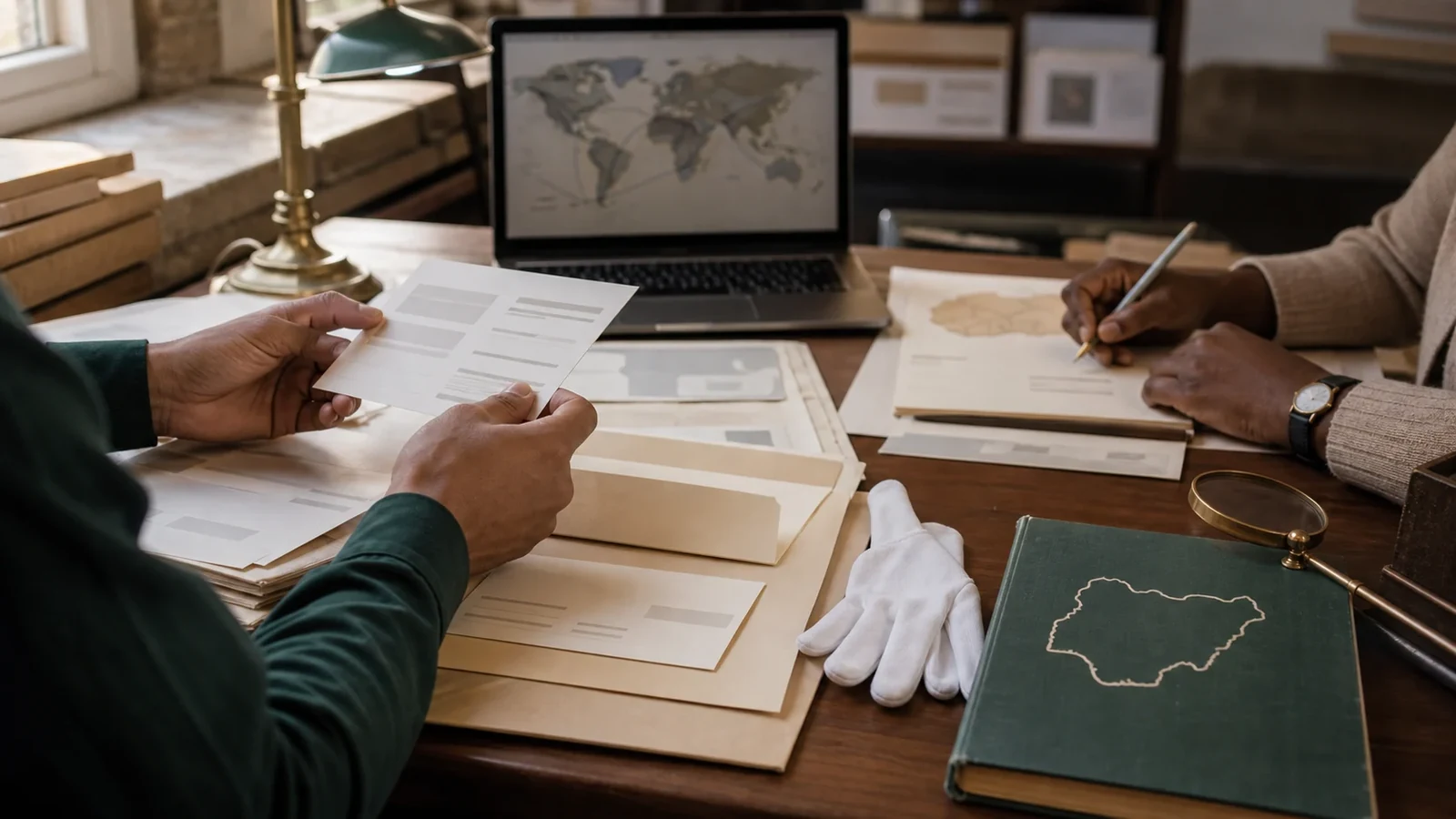
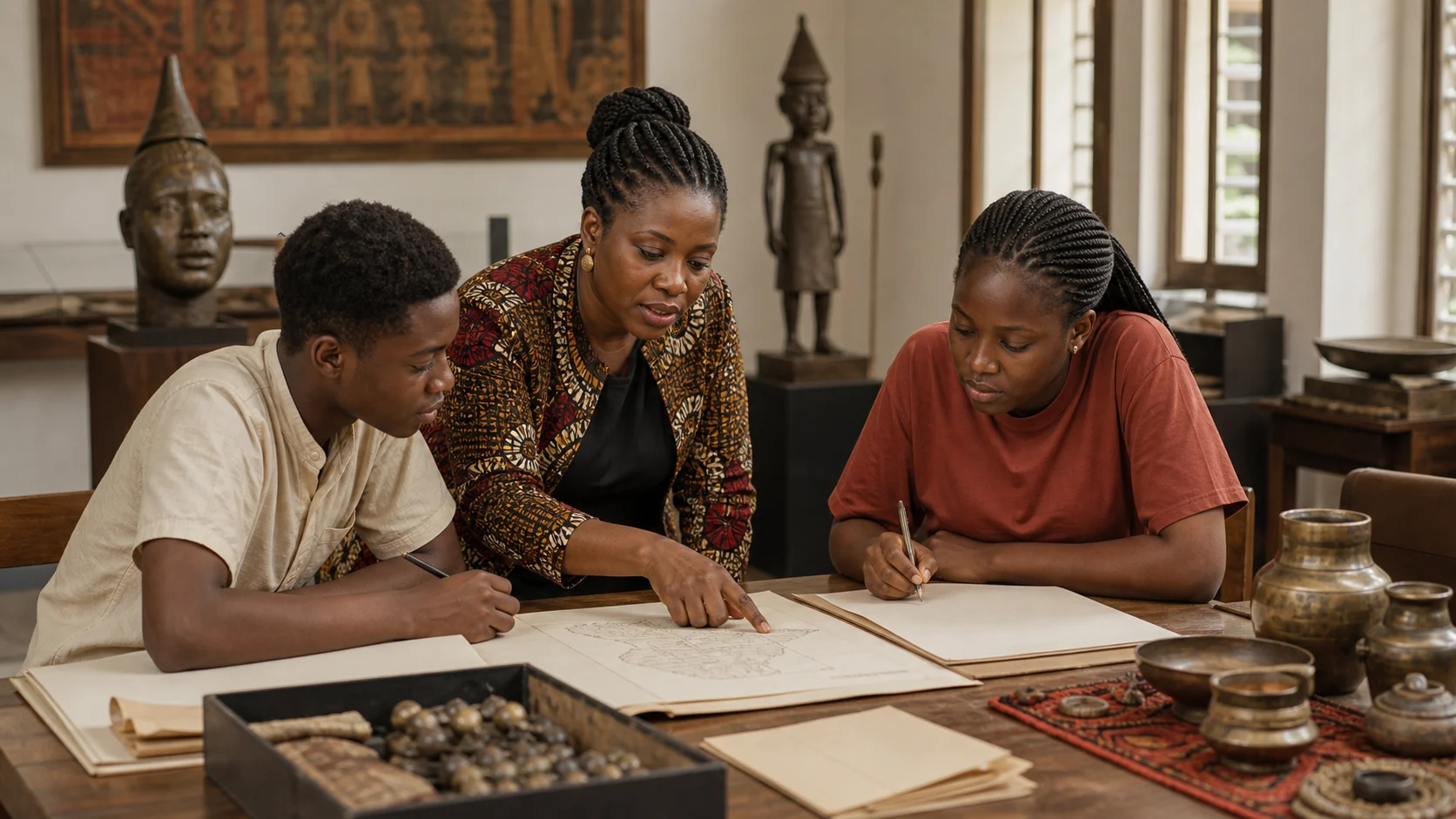
Public access begins with records. Before a student or family enters a gallery, they should be able to know what returned, where it came from, how it was removed, who held it abroad, what agreement brought it back and where it can now be seen or studied. This is not a minor technical layer. Documentation is a civic service because it lets Nigerians and diaspora readers verify that restitution is producing real change.
Digital Benin has already shown why connected records matter. It gathers data from thousands of historic Benin objects across institutions and countries, linking object research, provenance names, historical context, Edo-language material, oral histories, maps and museum collection information. A returned object should not disappear from global knowledge after transfer. Instead, the record should become more honest and more useful because Nigerian authority can now shape the interpretation.
Good documentation should separate several facts that are often blurred together: legal ownership, physical location, custody, display status, conservation status, image access and educational use. An object may be legally Nigerian but temporarily on loan abroad. Another may be physically back in Nigeria but not ready for display because it needs condition assessment. Public trust grows when these differences are explained plainly rather than hidden behind ceremonial language.
Conservation should support return, not delay it
One of the most persistent arguments against restitution is the claim that returned objects may not be properly cared for. That argument often treats conservation as a reason to keep colonial collections abroad. A better standard is the opposite: conservation should be part of the restitution package. If removal helped concentrate objects, expertise, equipment and research funding in foreign institutions, repair should include investment in Nigerian conservation capacity.
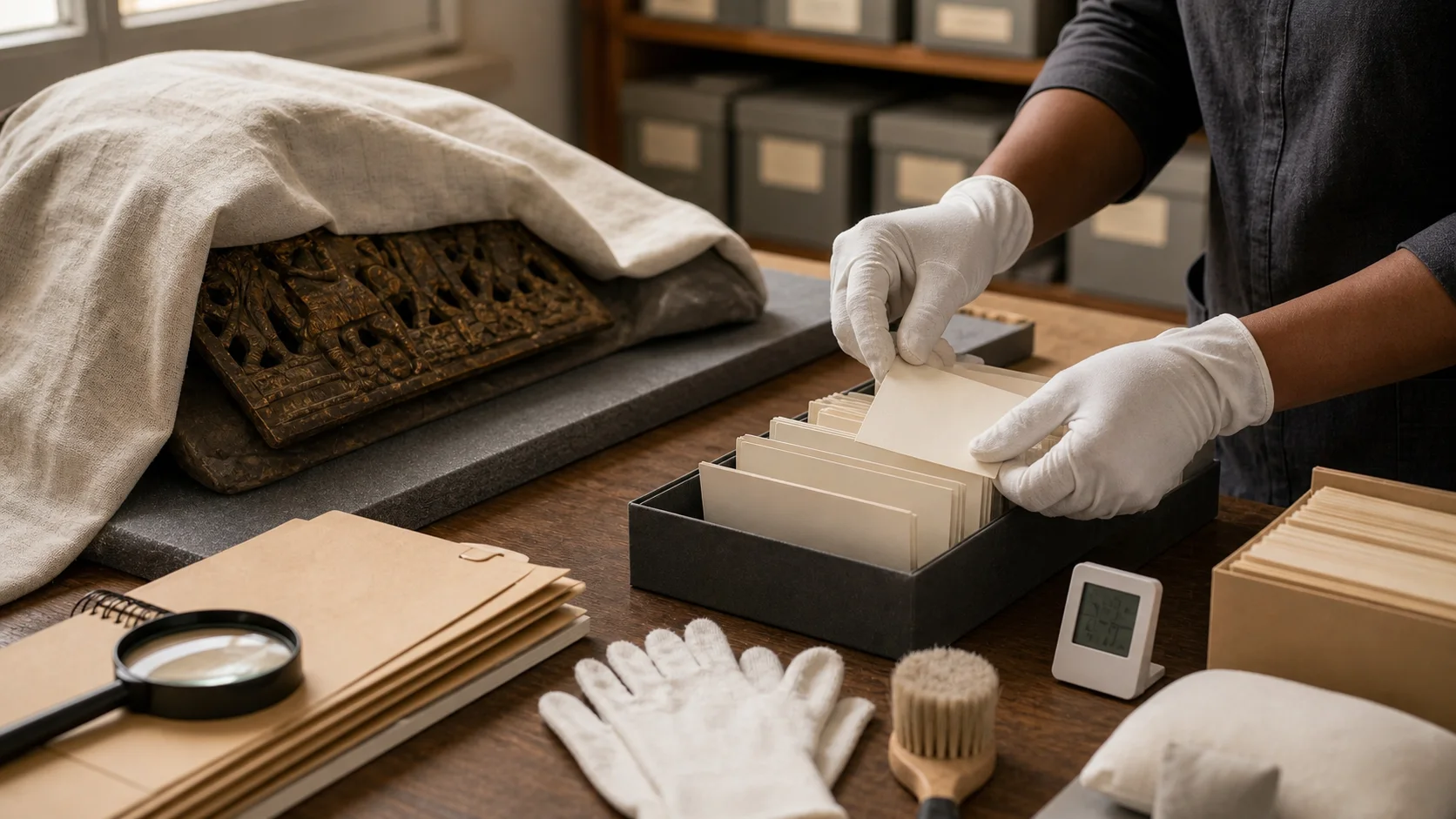
Conservation is practical work. Returned Benin objects need condition reports, handling protocols, environmental monitoring, secure storage, pest management, photography, packing knowledge, insurance planning, digitization, emergency procedures and trained staff. None of that weakens the moral claim for return. It simply describes the infrastructure that allows returned heritage to serve the public for generations.
Institutions abroad can still contribute after title is transferred, but the relationship should change. Technical collaboration should not be a disguised ownership claim. It should be a service to Nigerian-led stewardship. MOWAA's public work around archaeology, conservation, material knowledge and heritage management in Benin City is relevant here because it points to a future in which expertise is built at the source, not only imported for short-term ceremonies.
Public access means more than a display case
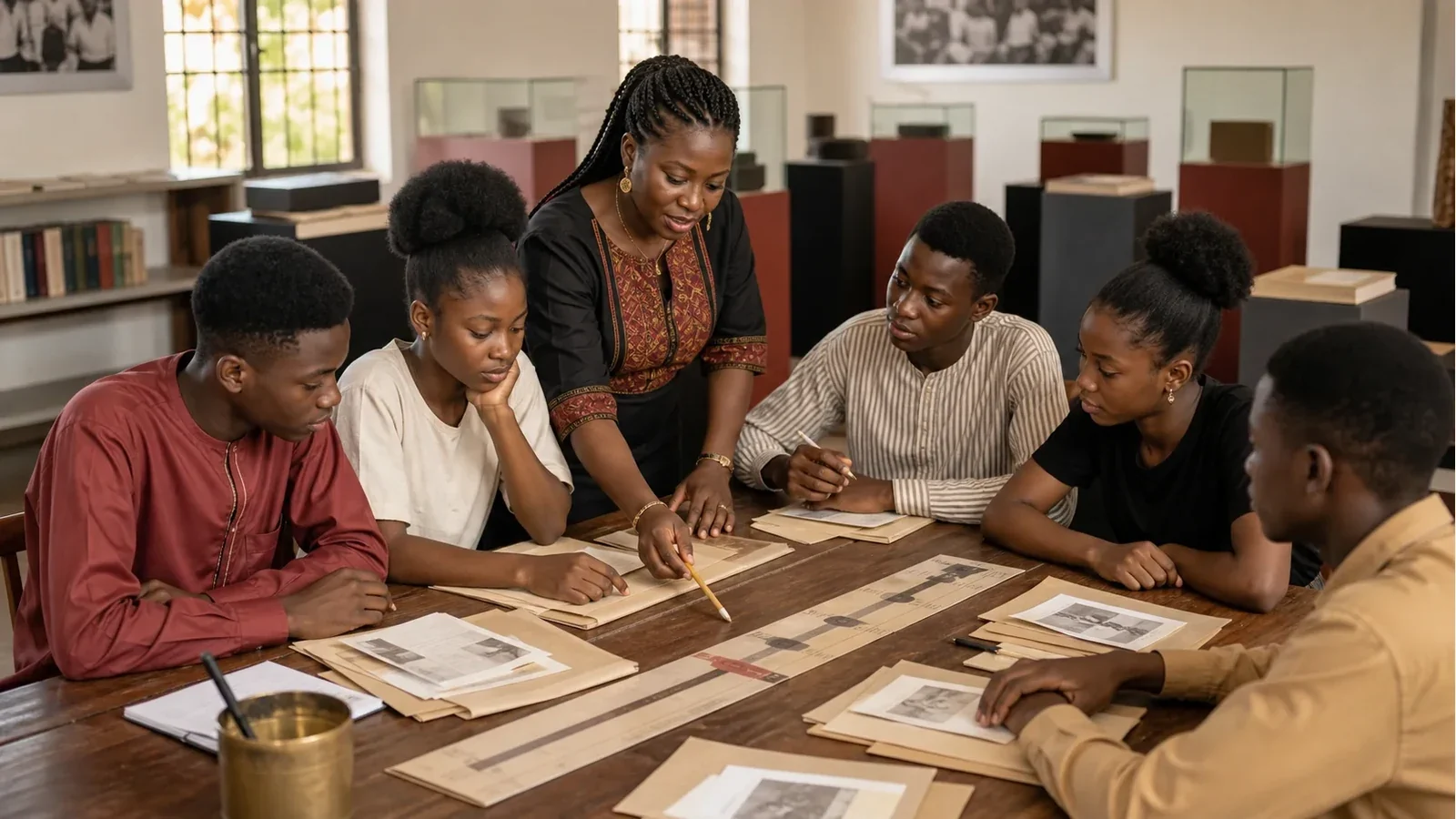
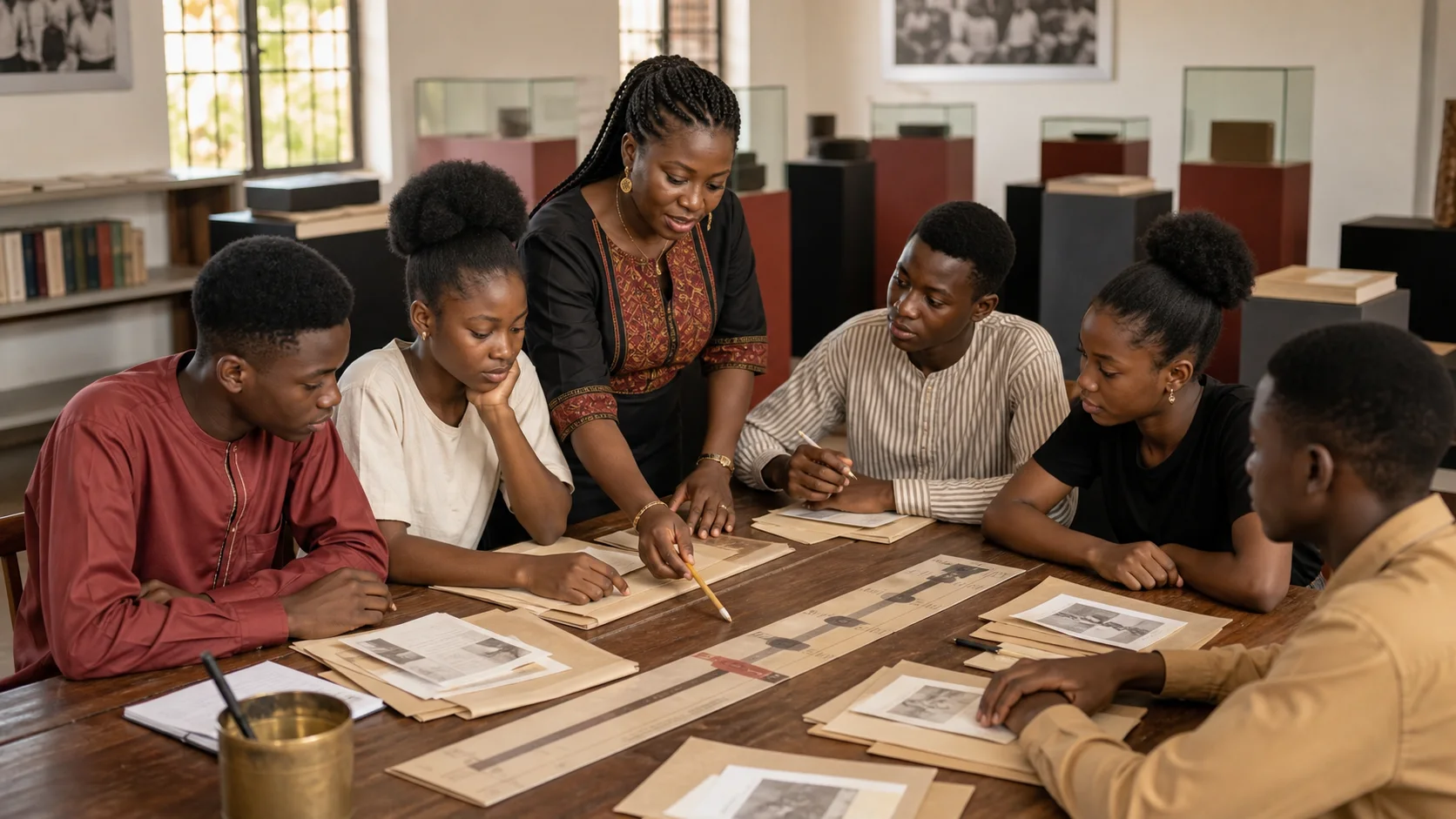
A returned object behind glass is important, but display is only one form of access. Real access includes school visits, teacher packs, local-language interpretation, public lectures, artist study days, conservation demonstrations, digital records, diaspora programming, affordable ticketing, disability access, university research and community consultation. The point is to make returned heritage usable as memory, not only visible as proof.
The Smithsonian's current Benin display is a useful example of how ownership transfer can coexist with education abroad when Nigeria permits it. The National Museum of African Art states that it worked with NCMM and the Benin City National Museum to identify and transfer ownership of 29 objects, with some returned to Nigeria and others shown on long-term loan with permission. That model does not answer every Nigerian access question, but it shows why ownership, permission and interpretation must be discussed together.
NCMM's digital museum work also matters for access. Digital platforms cannot replace physical restitution, but they can extend the reach of returned heritage to people who cannot visit Lagos, Benin City or another museum site immediately. The strongest model is not digital access instead of return. It is digital access under Nigerian cultural authority, connected to physical custody, public education and transparent records.
What readers should ask when a return is announced
Every restitution announcement should trigger a simple public checklist. What objects are included? Are they legally transferred, physically returned, or both? Which Nigerian authority receives them? Does the agreement mention the Benin Royal Palace, NCMM, a national museum, a university partner, a foreign lender or a future display plan? Are object records and images publicly updated? Is there a timeline for conservation, exhibition or educational access?
Readers should also ask what remains abroad. A return of 29, 72, 116 or 119 objects is significant, but it is not the end of the Benin story. Digital Benin's scale shows how widely the objects were dispersed after the 1897 British attack on Benin City. Each return should therefore be celebrated as progress while also used to sharpen the question for institutions that still hold related material.
The final question is whether the announcement improves public knowledge. A strong return should create clearer records, better teaching, deeper Nigerian access and more accountable foreign institutions. If the public only sees a ceremony and then silence, the process has not gone far enough. Restitution should leave a trace that ordinary readers can follow.
A practical access model for the next decade
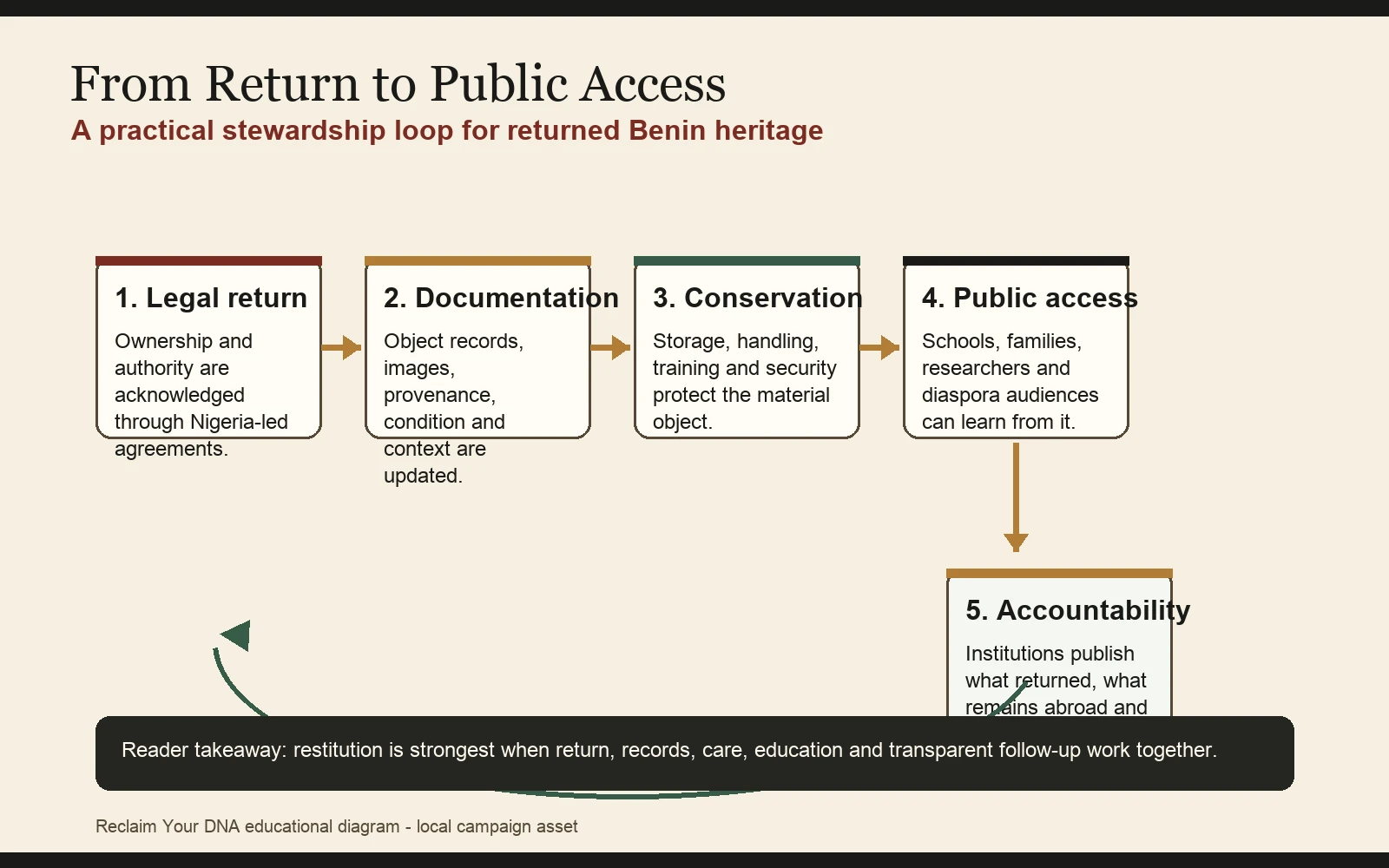
The next decade of Benin restitution should be organized around a loop: legal return, documentation, conservation, public access and accountability. Legal return restores authority. Documentation tells the truth. Conservation protects the material object. Public access turns the object back into shared knowledge. Accountability keeps the process visible after the announcement cycle ends.
For students and diaspora readers, this model makes the campaign actionable. Do not only ask whether a museum has returned something. Ask whether the returned object can be found in Nigerian records, whether teachers can use it, whether conservation information is responsibly shared, whether communities are consulted and whether the foreign institution has updated its own catalogue language to acknowledge Nigerian ownership.
For Nigerian institutions, the model sets a high but necessary standard. Return should strengthen museum practice, not overwhelm it. That means planning across federal museums, Benin City institutions, digital platforms, schools, universities, artists, conservators and communities. The aim is not to turn heritage into a narrow administrative file. The aim is to make cultural trust visible in daily public use.
Reader takeaways for cultural trust
First, ownership matters. A loan is not restitution unless the rightful authority has first been restored. Second, records matter. A public cannot trust what it cannot verify. Third, conservation matters because returned heritage must survive beyond the moment of return. Fourth, access matters because the point of cultural repair is not storage alone; it is renewed relationship.
Fifth, Nigerian agency must remain central. Foreign museums can collaborate, but they should not control the meaning of returned heritage. Sixth, public education should be planned from the beginning, not added after a gallery is built. Seventh, diaspora audiences have a role: they can track announcements, read object records, ask museums better questions, support Nigerian-led institutions and share source-backed explanations.
The Benin Bronzes are often discussed as masterpieces, evidence or trophies. They are also tests of cultural trust. If return leads to Nigerian authority, readable records, careful conservation, public learning and honest reporting, then restitution becomes more than a transfer. It becomes a living repair process that future generations can inherit.
Frequently Asked Questions
Does legal return automatically mean public access?
No. Legal return restores authority, but public access requires records, conservation, display planning, education and transparent follow-up.
Who is central to returned heritage governance in Nigeria?
NCMM is central as Nigeria's federal museums and monuments authority, while Benin City and the Benin Royal Palace remain culturally essential to Benin heritage decisions.
Can returned objects still be shown abroad?
Yes, but ethically that should happen through Nigerian ownership, permission and clear loan agreements rather than foreign museums claiming permanent authority.
What should readers do after a return announcement?
Check which objects returned, whether title and physical custody changed, whether records were updated, and how Nigerian public access will be created.
References and Further Reading
- Digital Benin
- National Commission for Museums and Monuments
- NCMM: Digital Museum partnership
- NCMM: Netherlands returns 119 Benin Bronzes to Nigeria
- Government of the Netherlands: 119 Benin Bronzes returning home
- University of Cambridge: legal ownership of 116 Benin artefacts transferred
- Horniman Museum: return ownership of Benin bronzes
- Smithsonian National Museum of African Art: Benin Bronzes, Ambassadors of the Oba
- MOWAA: Archaeology and heritage management