This guide is part of the Reclaim Your DNA research library. It helps readers understand Nigerian heritage, the Benin Bronzes, the 1897 looting of Benin City, and the modern movement for cultural restitution through context, evidence and a concrete path to action.
Start with the Reclaim Your DNA story, then use this guide to understand why names, language and oral history matter after restitution. It connects naturally to our Digital Benin provenance guide, our practical guide to museum object records, the wider blog archive, and the petition for public action.
Why names matter after restitution
Restitution is often described through numbers: 29 objects returned by the Smithsonian, 119 Benin Bronzes returning from the Netherlands, 116 Benin artefacts transferred in legal ownership by Cambridge, thousands of records gathered by Digital Benin. Numbers are useful because they prove scale, but they do not fully restore meaning. A returned or documented object also needs its names, language, function, makers, rituals, memory and community context. Without that layer, restitution can become a legal transfer without cultural comprehension.
For Benin heritage, names are not decorative labels. They are entry points into Edo knowledge systems. A foreign museum title may describe an object as a plaque, head, bell, tusk, figure or ornament, but an Edo designation can point to use, category, court context, guild knowledge or ritual meaning that a generic English title cannot carry. This is why Digital Benin's learning space around object designations, oral histories and the Edo-language catalogue is so important. It shows that the future of restitution is not only about where objects sit, but also about who has authority to name and explain them.
The public conversation needs this shift because many readers first meet the Benin Bronzes through colonial museum language. They learn accession numbers, acquisition dates and collection histories before they learn the cultural vocabulary of Benin City. A serious campaign must reverse that hierarchy. Object records are useful, but they should become pathways into Nigerian and Edo knowledge, not replacements for it.
Digital Benin as a language and education platform
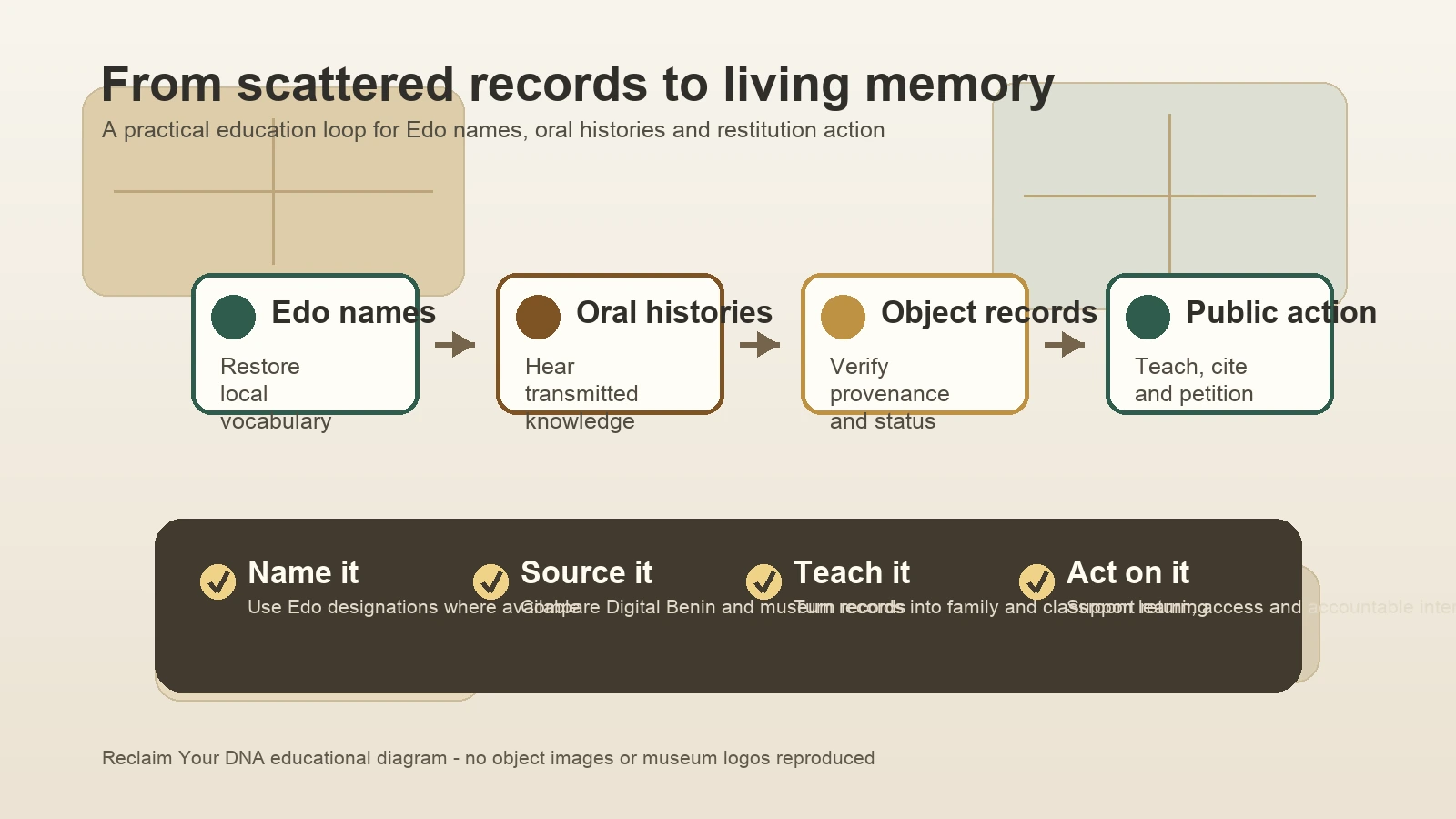
Digital Benin is often praised as a provenance tool because it connects thousands of object records across institutions and countries. That is true, but it is not the whole story. The platform also includes a learning space about objects and their Edo designations, oral histories, Itan Edo, maps, archival documents, provenance names and research tools. That structure matters because it refuses to treat dispersed objects as isolated museum entries. It places them back into a wider field of language, place, history and interpretation.
The numbers are significant: Digital Benin describes data from 5,304 objects across 139 institutions in 21 countries. Those figures show the reach of dispersal after the 1897 British attack on Benin City. Yet the stronger educational point is how the platform joins records with oral traditions and Edo-language material. It gives students, diaspora readers and researchers a way to move from a catalogue entry to a cultural question: what is this object called, how was it used, what story surrounds it, and what does the name reveal?
Manchester Museum's public description of the project is useful for non-specialists because it explains the platform as new scholarship that connects digital documentation to oral histories, object research, historical context, a foundational Edo language catalogue, provenance names, maps and museum collections worldwide. That combination makes Digital Benin more than a search engine. It is a public learning infrastructure for a scattered archive.
The problem with museum titles alone
Museum titles are often practical, but they can flatten meaning. A title like commemorative head, relief plaque or pendant mask may help a catalogue sort objects, but it may not explain the object's place in court life, ancestral memory, guild practice or ritual communication. The British Museum itself describes the Benin Bronzes as including plaques, commemorative heads, animal and human figures, royal regalia and personal ornaments created by specialist guilds for the Oba's court. That description is useful, but the next question is whose vocabulary leads the interpretation.
Colonial acquisition language creates another problem. Records may say acquired, donated, purchased, transferred or collected. Those words can be technically accurate for a museum transaction while still hiding the earlier violence that made the transaction possible. In the Benin case, the 1897 attack and looting are not background details. They are central to why the objects became dispersed through foreign collections. Names and provenance must therefore be read together: one tells cultural meaning, the other traces historical displacement.
Readers should not reject museum records. They should learn to read them critically. A record can provide dimensions, materials, dates, images and collection pathways. But if the record does not connect those details to Edo names, oral memory and Nigerian authority, it remains incomplete. Restitution education begins when the public can see both the museum file and the cultural knowledge it has failed to carry.
Oral history is not a supplement
Western museum systems have often treated written records as primary and oral testimony as secondary. That habit does not fit Benin cultural memory. Oral history is a method of transmission, interpretation and survival. Digital Benin's oral history section frames oral traditions as knowledge Benin people share to transmit and preserve cultural traditions from one generation to another. In a restitution context, that is not a soft add-on. It is part of the evidence of living relationship.
The Benin Bronzes were not made as anonymous art commodities. They were connected to the Oba's court, guilds, rituals, power, diplomacy, ancestry and historical record. Oral history helps restore the social life around the objects. It can explain how categories are understood, how symbols are remembered, how ceremonies continue, and why an object removed from palace or ritual context cannot be fully understood as a standalone museum artwork.
For diaspora readers, oral history also creates a different kind of access. Not everyone can visit Benin City, a national museum or a foreign gallery. But people can listen, read, compare, teach and share. Oral history allows cultural memory to travel without accepting the colonial premise that the object must remain abroad for the world to learn from it. The knowledge can circulate while ownership and authority are restored.
How language changes public action
A petition is stronger when supporters understand the vocabulary of what they are defending. Saying return the Benin Bronzes is important, but saying return objects taken from Benin City in 1897 and support Edo-language interpretation, oral history, Nigerian public access and transparent records is stronger. It tells institutions that the public is not satisfied with symbolic gestures. The public expects cultural repair.
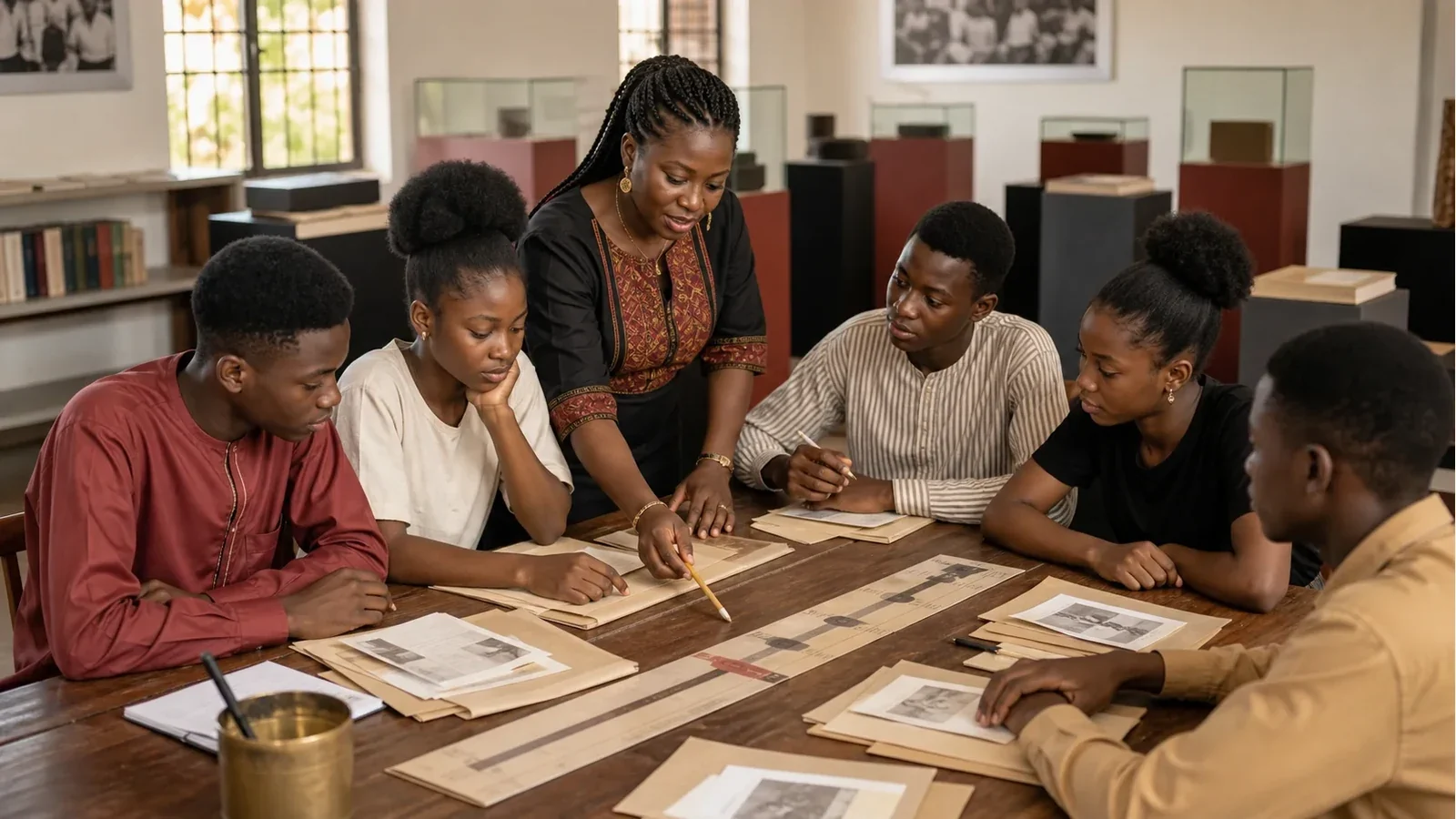
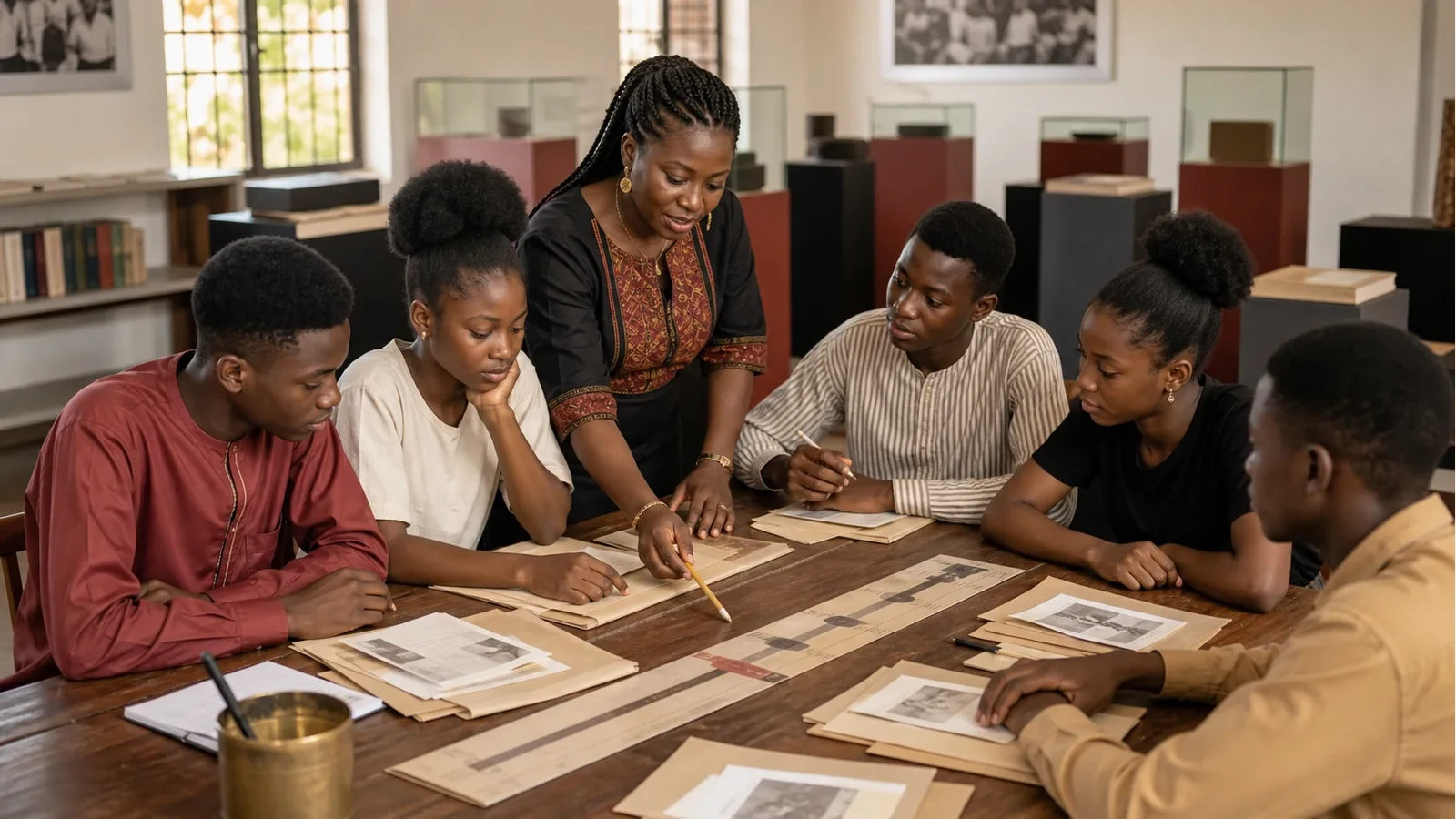
Language also changes classroom work. A teacher can ask students to compare an English museum title, an Edo designation, a provenance note and a return announcement. Students can see how each source answers a different question. What is the object called? What does the name suggest? How did the object leave Benin? Which institution holds or returned it? Who has authority now? This turns restitution from a headline into a source-reading exercise.
Journalists can use the same method. When a museum announces research, loan discussions or a return, the journalist can ask whether records have been updated with Edo designations, whether Nigerian partners shaped the interpretation, whether oral histories are linked, and whether the public can verify the object's status. These questions are practical. They move the story from ceremony to accountability.
Current returns prove the need for public interpretation
Recent returns show that the restitution debate has moved beyond theory. The Smithsonian transferred ownership of 29 Benin Bronzes to Nigeria's National Commission for Museums and Monuments and linked the decision to its ethical returns policy. The Netherlands announced the return of 119 Benin Bronzes to Nigeria, described the restitution as unconditional and stated that Nigeria would decide how and where the artifacts would be displayed. Cambridge announced legal transfer of 116 Benin artefacts to NCMM under a management agreement with the Benin Royal Palace.
Each announcement raises an education question. What will the public know after the transfer? Are records updated? Are Nigerian names and interpretations centered? Are school materials prepared? Are diaspora audiences invited to learn from the change? Are foreign museums clear when an object on display is no longer theirs but shown by Nigerian permission? Legal return is essential, but public interpretation determines whether the return becomes visible cultural repair.
The Netherlands announcement is especially relevant because it also mentioned a digital heritage expert workshop and an exhibition by young contemporary artists from Benin City. That kind of programming matters. It suggests that restitution can connect provenance research, storage, display, digital access and living creativity. A serious campaign should keep asking for that full ecosystem, not just the ceremonial handover.
A practical reading method for families and schools
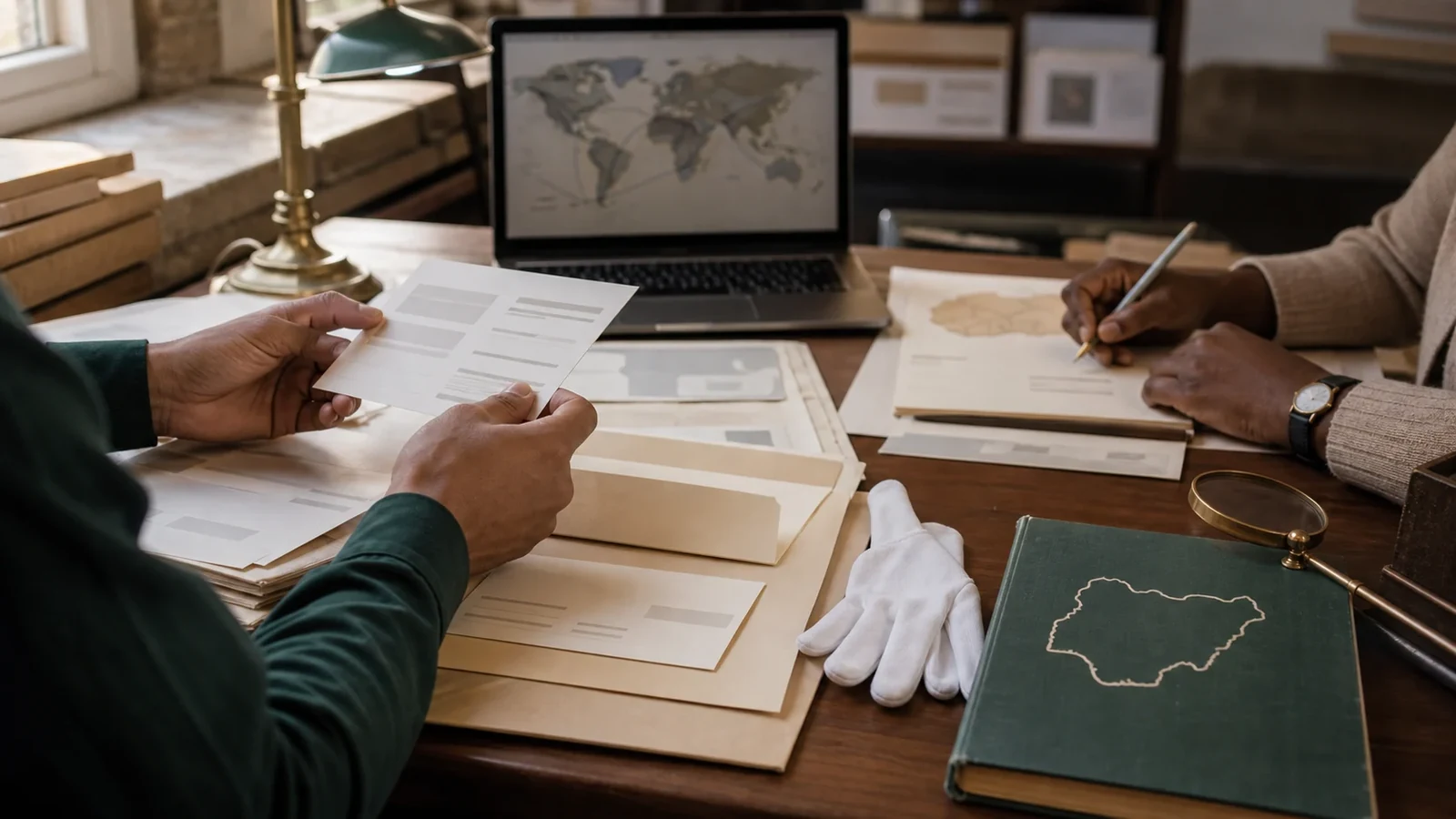
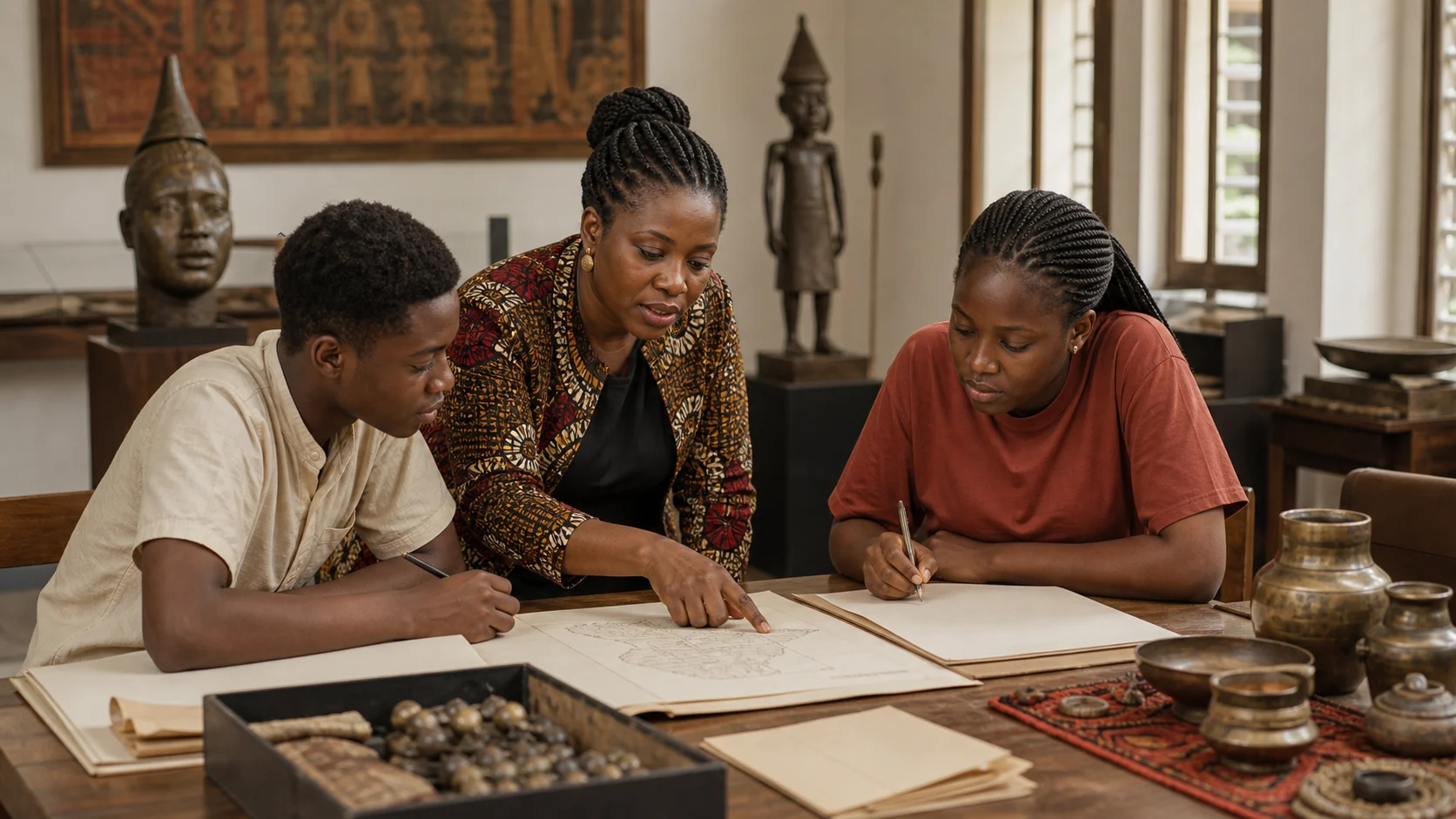
Start with one object record on Digital Benin. Write down the title, institution, country, material, date and provenance notes. Then look for an Edo designation or related learning material. Ask what the English title explains and what it misses. If oral history material is available, treat it as a central source, not a decoration. The aim is to understand how an object carries both material form and cultural voice.
Next, place the object on a timeline. Begin with Benin Kingdom production and use. Mark 1897 as the year of violent removal for objects connected to the British attack. Add the post-raid route through soldiers, dealers, private collectors or museums when the record allows it. Then add any recent restitution status: returned, ownership transferred, under claim, on loan, still held, or still being researched. This timeline helps readers see that museum possession is a recent episode in a much longer life.
Finally, turn the reading into action. Share a short source-backed explanation, link to the campaign's about page, invite others to read the blog archive, and direct supporters to the petition. Families can use this method at home. Teachers can use it in classrooms. Diaspora groups can use it for cultural education events. The method is simple, but it builds a public that can ask sharper questions.
Reader takeaways for cultural memory
First, names are evidence. They show that objects belong to systems of knowledge, not only to museum shelves. Second, oral histories are public sources. They transmit memory, explain use and keep community interpretation alive. Third, Digital Benin is valuable because it connects records, language, maps, provenance, archives and oral tradition rather than treating each object as a detached image.
Fourth, restitution should update language. When ownership changes, catalogues, exhibitions, school materials and public statements should change too. Fifth, Nigerian and Edo authority must shape interpretation. Foreign museums can collaborate, but they should not remain the default voice for objects taken from Benin City. Sixth, diaspora action becomes stronger when it uses precise terms, current sources and practical questions.
The Benin Bronzes are often described as masterpieces, contested objects or museum holdings. They are also carriers of names. A campaign that restores only legal title but leaves language behind has not gone far enough. The next phase of public education should help people learn the names, hear the histories, read the records and support the return of both objects and meaning.
Frequently Asked Questions
Why are Edo names important in Benin Bronzes restitution?
Edo names connect objects to local categories, use, memory and authority that generic museum titles often miss.
Does Digital Benin replace physical restitution?
No. Digital Benin supports research, education and access, but digital records do not replace ownership transfer or Nigerian public access.
How can families use Digital Benin for cultural education?
Choose one object, compare its museum title with Edo-language material and oral history, then place it on a timeline from Benin City to its current status.
What should museums update after a return?
They should update ownership status, provenance language, Edo designations where available, interpretation, image permissions and public education materials.
References and Further Reading
- Digital Benin
- Manchester Museum: Digital Benin
- British Museum: Benin Bronzes
- Smithsonian National Museum of African Art: Benin Bronzes, Ambassadors of the Oba
- Smithsonian: return of 29 Benin Bronzes
- Government of the Netherlands: 119 Benin Bronzes returning home
- University of Cambridge: legal ownership of 116 Benin artefacts transferred
- NCMM: Digital Museum partnership