This guide is part of the Reclaim Your DNA research library. It helps readers understand Nigerian heritage, the Benin Bronzes, the 1897 looting of Benin City, and the modern movement for cultural restitution through context, evidence and a concrete path to action.
For readers new to the campaign, start with the Reclaim Your DNA story, then use this guide as a practical bridge into evidence: the object records, accession numbers, collection histories and return announcements that make restitution arguments harder to dismiss. It pairs naturally with our Digital Benin provenance guide, our article on the 1897 looting of Benin City, the wider blog archive, and the petition for public action.
Why object records matter in the restitution debate
A museum object record can look dry at first: a title, a number, a material, a date, a place, a donor, a purchase note and a small block of provenance. For the Benin Bronzes, those lines are not minor cataloguing details. They are pieces of a historical chain that can connect an object in a foreign collection back to the 1897 British expedition against Benin City, the dispersal of palace material, the art market, institutional collecting and the present claim for return. Reading the record carefully helps a campaign move beyond outrage into documented public knowledge.
The strongest restitution argument does not need to choose between moral clarity and technical evidence. It needs both. Moral clarity says that objects removed after a military attack on Benin City should not remain trapped in foreign ownership. Technical evidence shows how a specific plaque, head, bell, tusk, altar object or regalia item moved through named hands and institutions. When those two forms of knowledge meet, the public can see that provenance is not a museum-side excuse for delay. It is a map of responsibility.
This is why Reclaim Your DNA treats museum records as public campaign material. A record can reveal whether an institution acknowledges the 1897 context, whether it uses neutral language that hides violence, whether it lists a dealer or collector after the raid, and whether the institution has already transferred ownership or only promised future research. The difference matters for readers, journalists, students and diaspora advocates who want to speak accurately about Nigerian cultural heritage rather than repeat slogans without evidence.
The first fields to read: title, number, material and place
Start with the simplest fields. The object title may say plaque, commemorative head, pendant mask, bell, figure, staff, tusk or regalia item. The material field may say brass, bronze, ivory, coral, wood, iron, leather or a mixed description. The place field may identify the Kingdom of Benin, Benin City, Edo State or present-day Nigeria. None of these fields tells the whole story, but together they prevent a reader from treating the Benin Bronzes as a single anonymous group of African objects.
The accession number is equally important. It is the museum's internal address for the object. When you cite it in a letter, article, classroom handout or public post, you make the discussion specific. Instead of saying a museum has Benin Bronzes in general, you can say that a named institution holds a particular object under a particular number, with a particular history. That specificity is useful because restitution work often advances object by object, record by record, institution by institution.
A serious reader should also notice uncertainty. Many object records include approximate dates, changing titles, old descriptions or material identifications that may have been revised. Uncertainty does not weaken the campaign. It shows why Nigerian-led scholarship, Edo-language knowledge and collaborative research are necessary. A record created far from Benin City can preserve useful data while still needing correction from the communities and scholars closest to the heritage.

How to read provenance without getting lost
Provenance is the ownership and custody history of an object. In Benin Bronze records, a useful provenance note often begins after 1897, because many objects entered soldiers' possession, dealers' inventories, auction houses, private collections and public museums after the British raid. A short note may contain a large amount of history: a sale in London, a named collector, a bequest to a museum, a transfer from another institution or a date when the object entered a national collection.
The key question is not only who owned the object last. The key question is whether the chain of custody begins in violence. If a record says an object was acquired after the 1897 expedition, or if the object type is part of the well-documented Benin palace dispersal, the later purchase price does not erase the original removal. A sale after a raid can create paperwork, but paperwork is not the same as ethical title. That is the distinction readers need to keep in mind when museums emphasize acquisition dates without foregrounding the conditions that made acquisition possible.
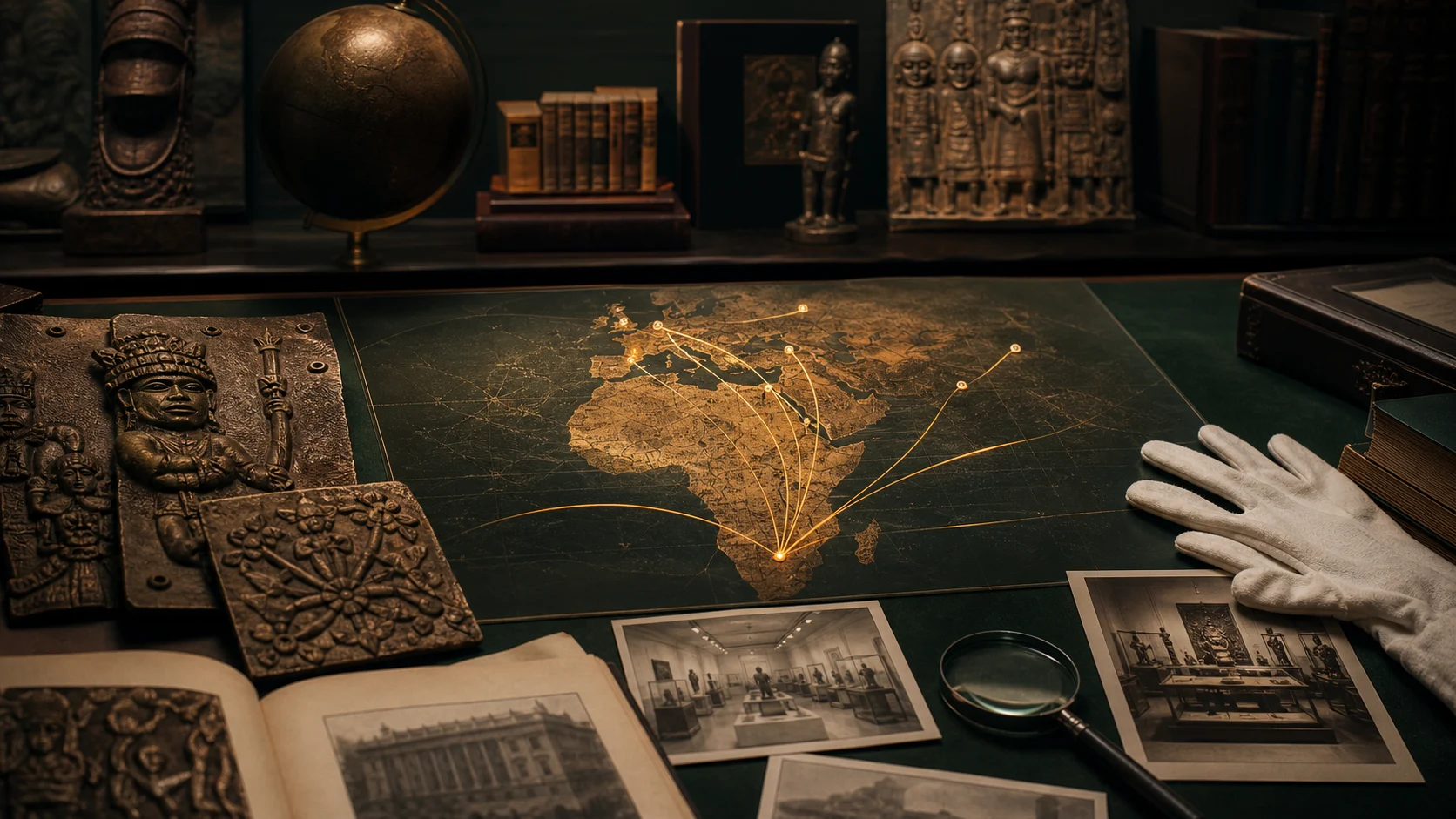
Digital Benin is valuable because it lets readers compare records across collections rather than rely on one museum's framing. The same object category, dealer name, expedition reference or collection pathway may appear in multiple places. Patterns become visible. A single record may feel isolated, but a database of records shows the scale of dispersal and the repeated routes by which Benin objects became Western museum holdings. That scale is part of the evidence for return.
What recent returns teach us about records and responsibility
Recent restitution announcements show that object records are not merely academic files. The Smithsonian returned 29 Benin Bronzes to Nigeria's National Commission for Museums and Monuments after its Board of Regents approved deaccession under an ethical returns policy. The Dutch government announced the return of 119 Benin Bronzes to Nigeria, describing the handover as a return to the Nigerian government and naming Nigeria's authority to decide display and stewardship. These examples show that provenance evidence can lead to institutional decisions, not only footnotes.
Nigeria's own cultural institutions are central to that process. The National Commission for Museums and Monuments describes its mission around the collection, preservation, study and interpretation of material evidence of Nigeria's peoples and diaspora. That language matters because restitution is not just a demand sent outward to foreign museums. It is also a national responsibility to preserve, document, teach and present returned heritage in ways that give Nigerians real access to the memory that was removed.
MOWAA's work in Benin City adds another part of the picture: archaeology, conservation, material science and heritage management capacity on the continent. Public debate often asks whether Nigeria can care for returned works, but that question must not become a bad-faith barrier to return. The practical answer is investment, training, conservation infrastructure and public access planning led in Nigeria. Object records should help that work by clarifying what is coming home, what is still abroad and what forms of knowledge must accompany the physical return.

How students, journalists and diaspora advocates can use the records
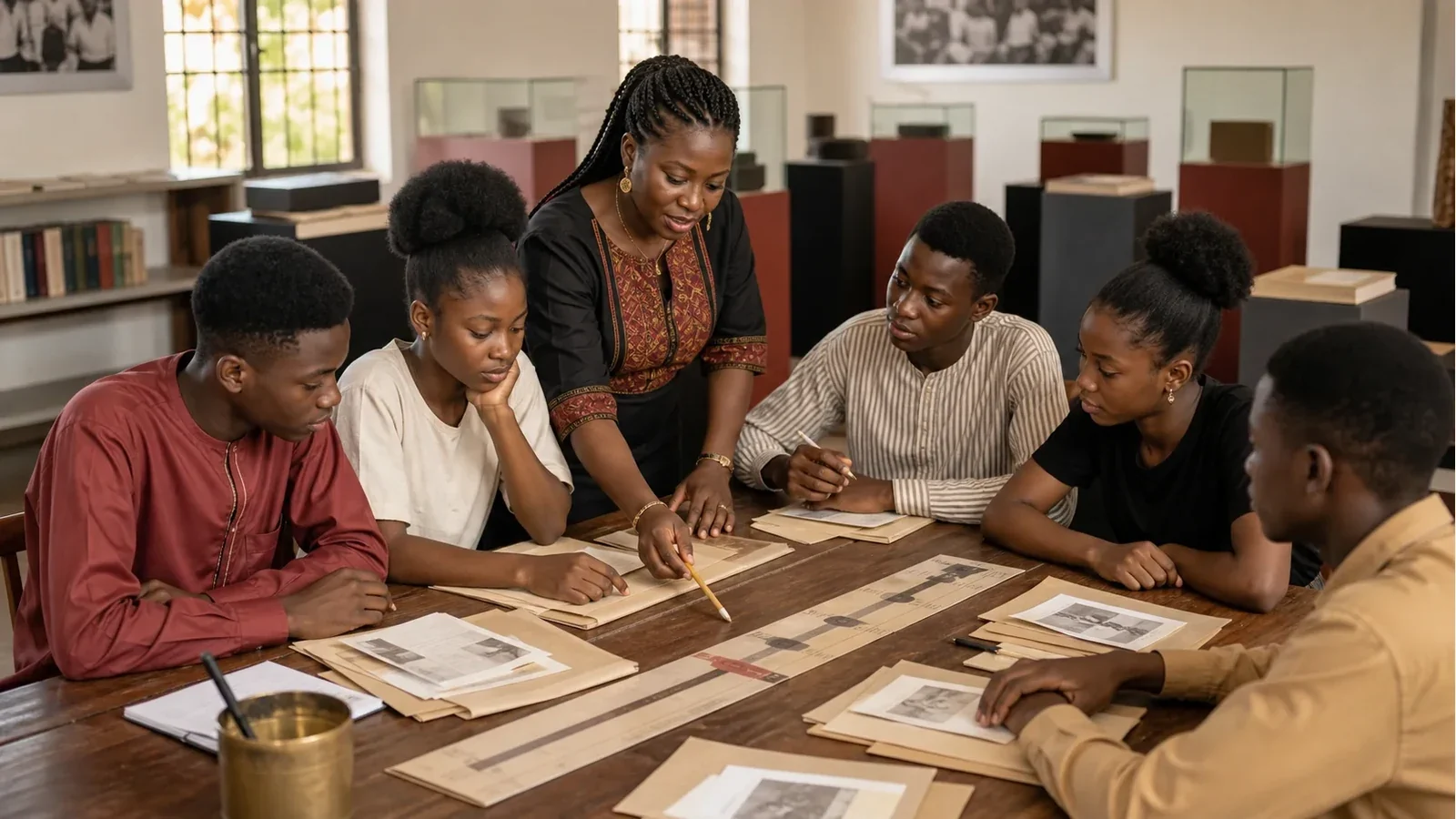
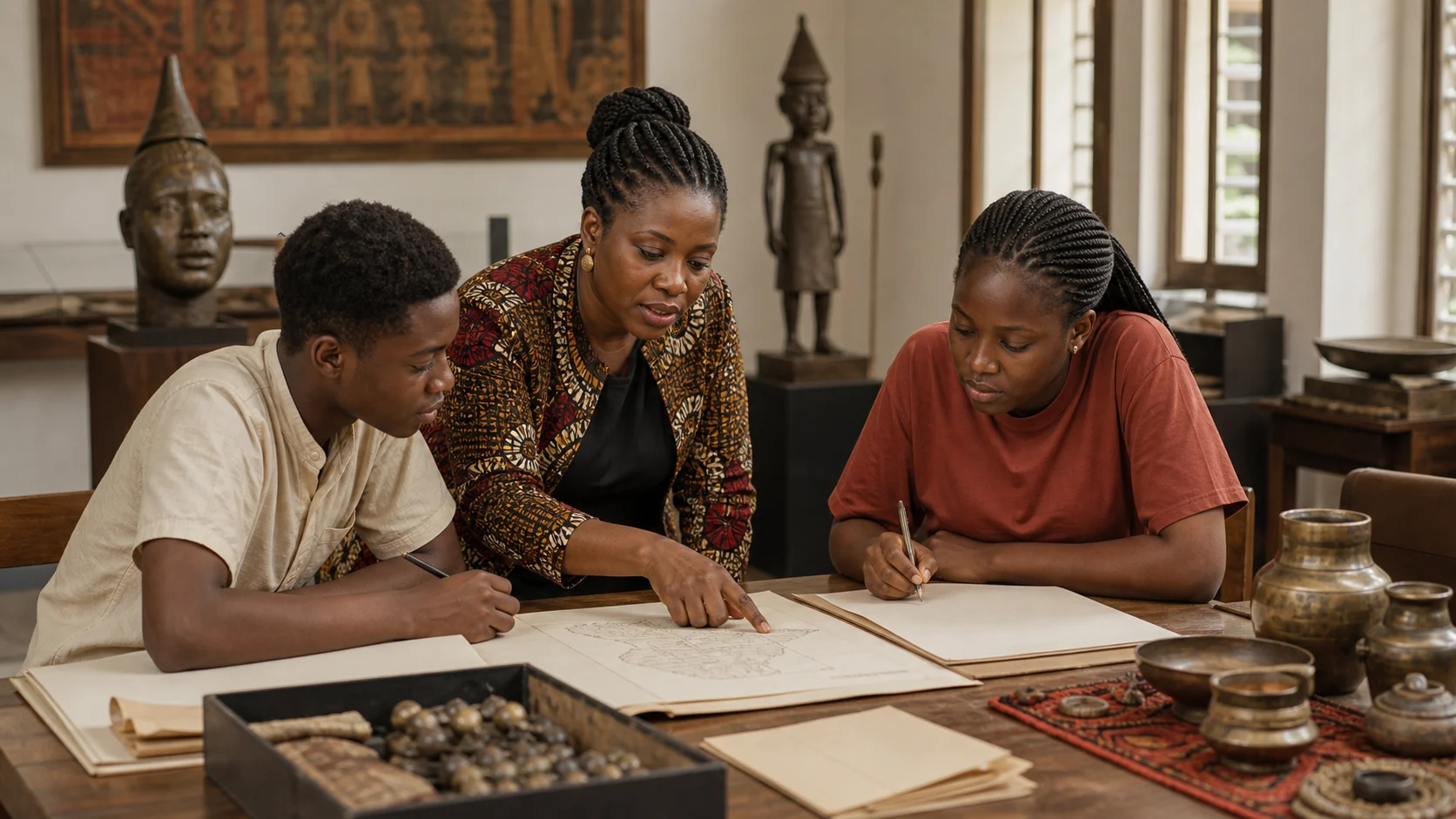
A student can use object records to build a classroom timeline: creation in the Kingdom of Benin, removal in 1897, sale or transfer in Europe, museum acquisition, digital cataloguing and possible restitution. A journalist can use them to ask sharper questions: how many Benin works does this institution hold, how many have a clear 1897 link, how many have been returned, and what legal or policy barrier is being cited for the rest? A diaspora advocate can use them to write a precise email, petition note or public thread that names evidence rather than relying on general anger.
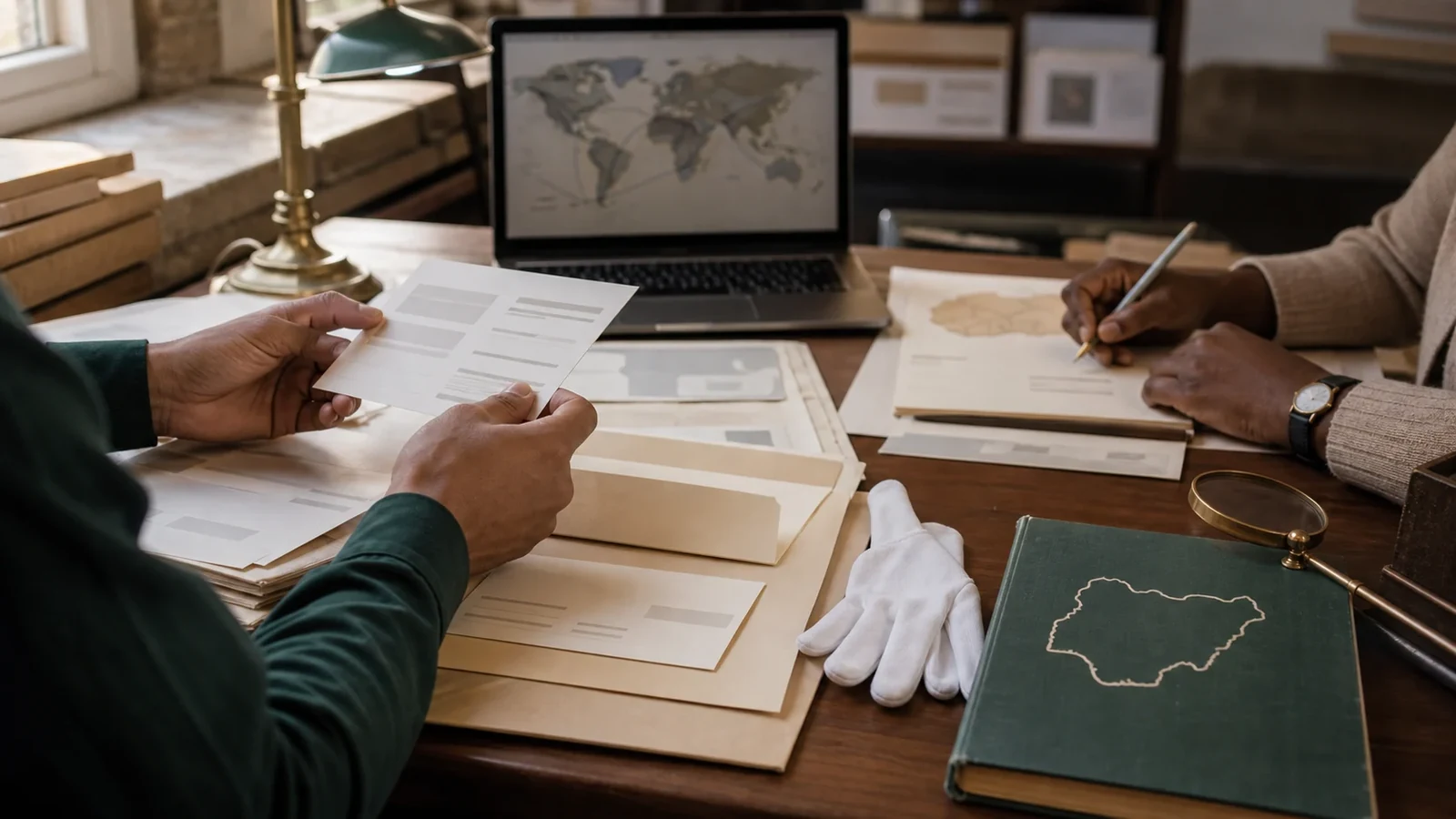
The practical method is simple. Search Digital Benin or a museum collection page. Record the object title, accession number, material, institution, acquisition date and provenance language. Then ask whether the museum acknowledges the 1897 raid clearly, whether the record links to restitution policy, whether images are open for education, and whether there is a public statement about return. If the record hides the violent context behind phrases like acquired or purchased, note that language and compare it with more direct statements from institutions that have returned objects.
Use records as a bridge to action. Share a source-backed summary with a school group. Link readers to the campaign's about page. Direct supporters to the petition. Build a reading list from the blog. Ask local museums and universities how they teach Benin provenance. The goal is not to turn every reader into a specialist curator. The goal is to make enough people record-literate that vague museum language no longer passes unchallenged.
Reader takeaways for ethical provenance research
First, read slowly. A single phrase in a record can carry a large historical burden. Second, cite precisely. Use accession numbers and institution names whenever possible. Third, compare sources. A museum page, Digital Benin record, Nigerian institutional statement and return announcement may each reveal a different side of the same story. Fourth, separate access from ownership. A searchable image is valuable, but it is not restitution. Digital access can support return; it cannot replace it.
Fifth, watch for language that makes violence disappear. Words like collected, acquired, donated and purchased may be technically true at one stage of an object's path, while still avoiding the original coercion that made the market possible. Sixth, respect Nigerian agency. Restitution should not be framed as a gift from enlightened museums to passive recipients. It is the result of long advocacy by Nigerian institutions, Edo authorities, scholars, artists, communities and diaspora voices.
Finally, remember that object records are not the end of cultural memory. They are tools. The deeper aim is a future where Nigerians can see, study, debate and inherit their own heritage in Nigeria, while global audiences learn the history honestly. Provenance research should lead toward return, education and public access. When records do that work, they become more than metadata. They become part of cultural repair.
Frequently Asked Questions
What is a museum object record?
It is a catalogue entry that usually lists an object's title, number, material, date, place, acquisition history, provenance and sometimes images or bibliography.
Why are accession numbers useful for Benin Bronzes research?
They let readers identify a specific object inside a specific institution, which makes advocacy, citation and comparison more accurate.
Does digital access replace restitution?
No. Digital records support education and provenance research, but they do not transfer ownership or restore physical access in Nigeria.
How can a non-specialist help?
Read records carefully, cite sources, share clear explanations, ask institutions direct questions and support the Reclaim Your DNA petition.