This guide is part of the Reclaim Your DNA research library. It helps readers understand Nigerian heritage, the Benin Bronzes, the 1897 looting of Benin City, and the modern movement for cultural restitution through context, evidence and a concrete path to action.
Why provenance research matters
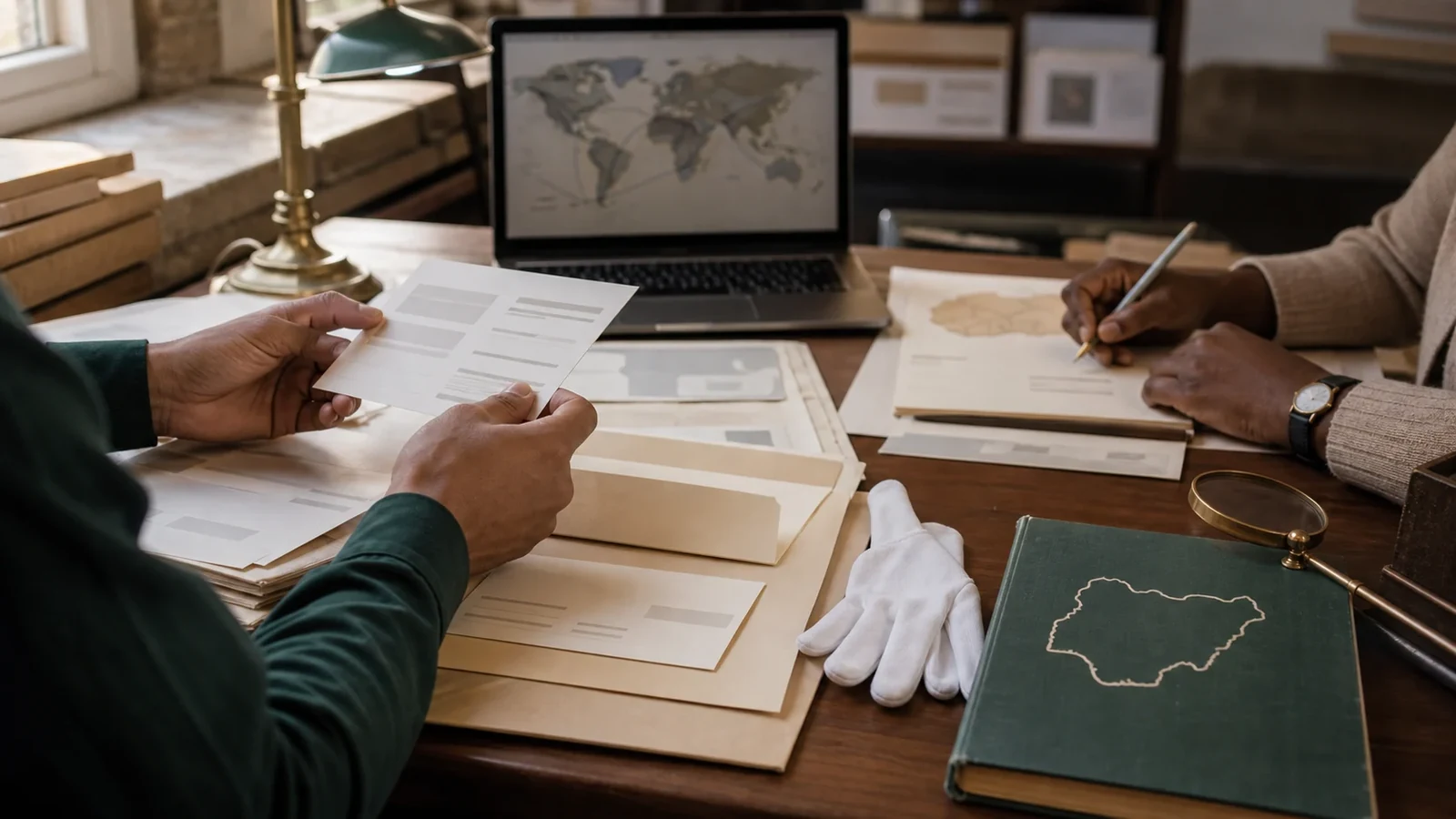
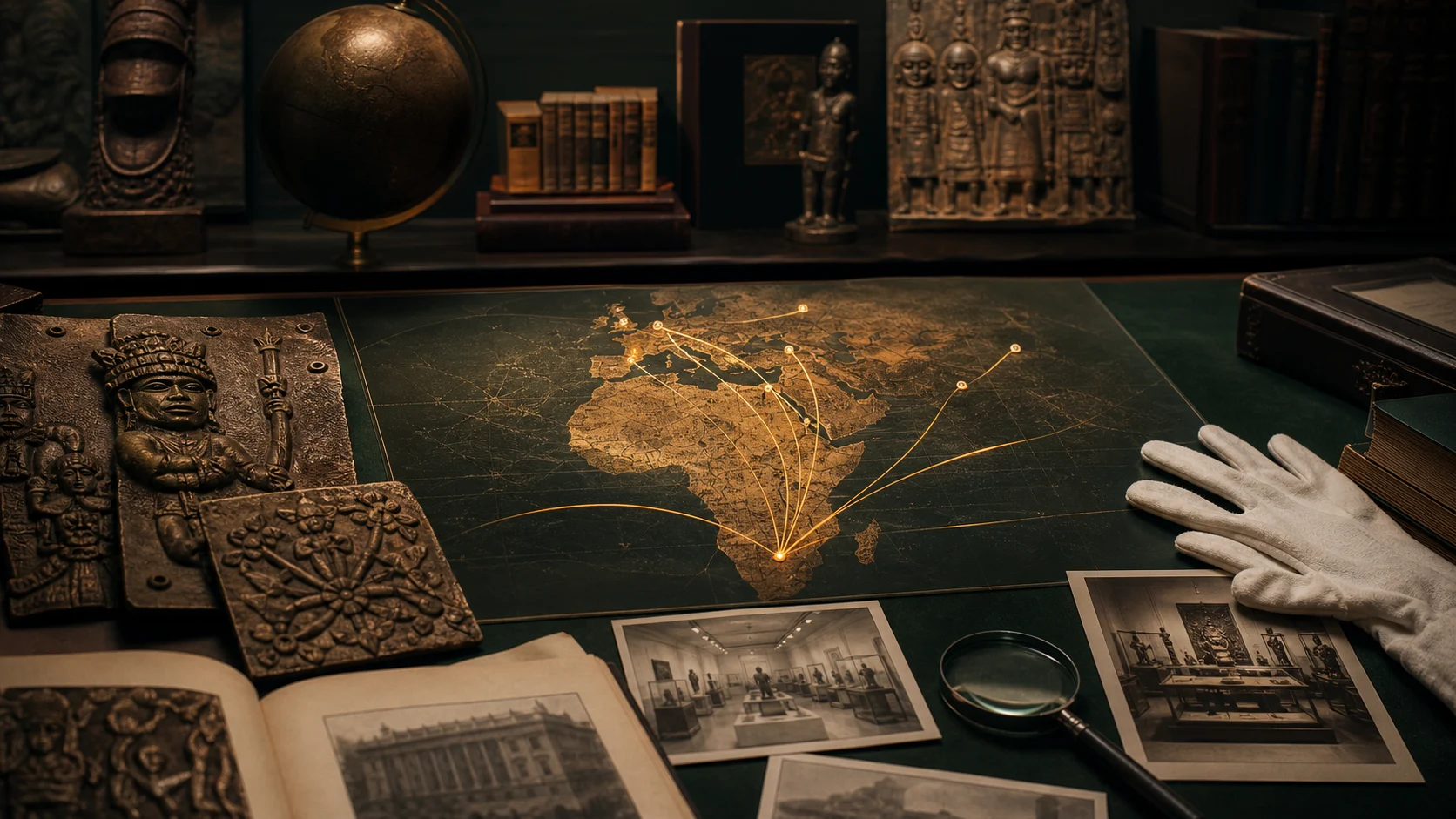
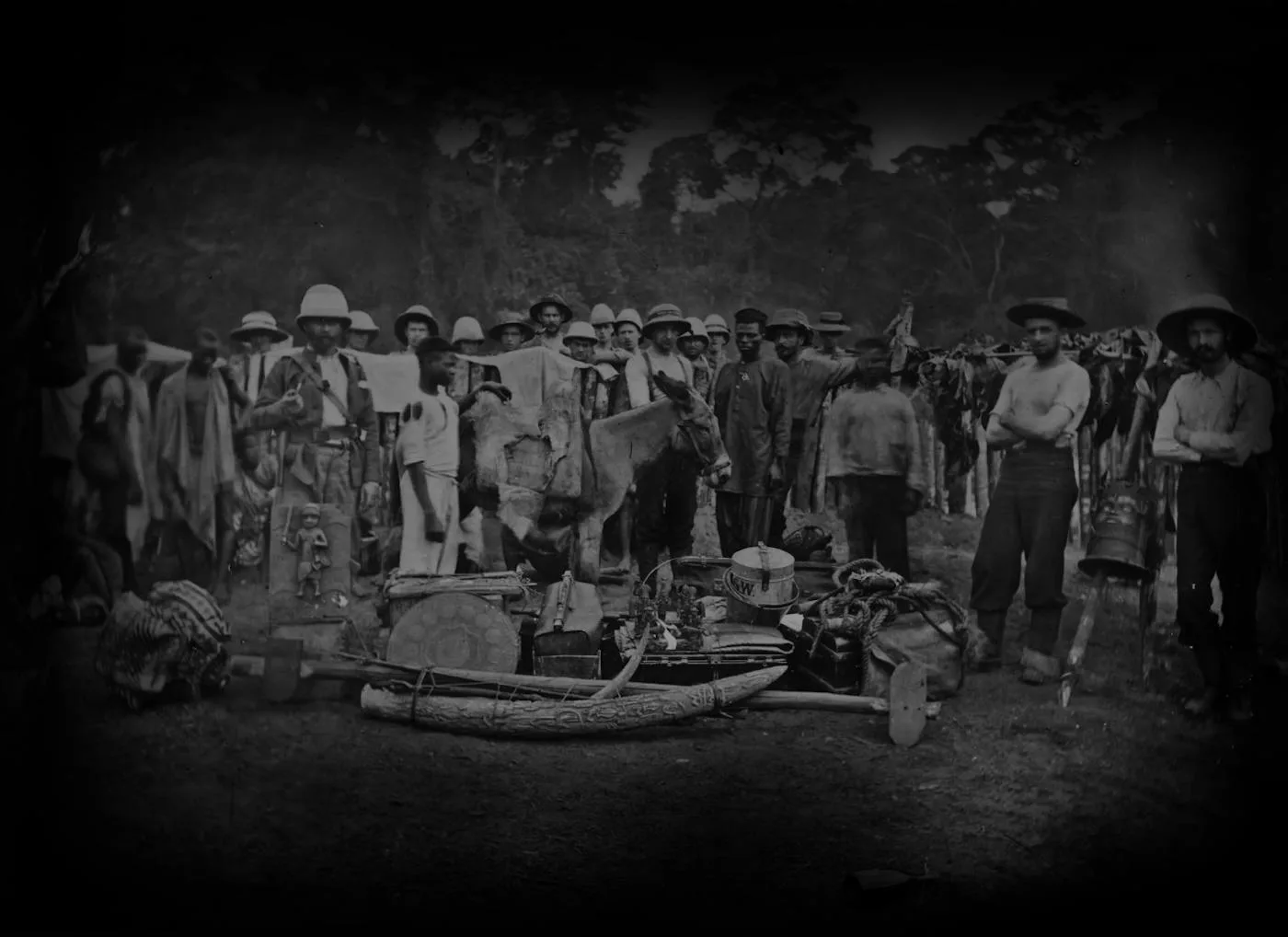
Provenance research asks where an object has been, who held it, how it moved, and under what conditions it changed hands. For Benin objects, the most important question often begins with 1897, but it does not end there. The path from palace to soldier, dealer, collector, museum, database, and display case can reveal how colonial violence became institutional possession.
This work can sound technical, but it has public consequences. Without provenance, a museum label can make an object appear timeless and detached. With provenance, the same object becomes part of a documented chain of events, responsibilities, and possible repair.
Digital Benin matters because it turns scattered records into a more searchable public map. It allows readers, students, and researchers to see that the Benin Bronzes are not isolated objects; they are pieces of a displaced archive distributed across institutions and countries.
The promise of a shared digital catalogue
A shared catalogue does something individual museum pages cannot do easily. It lets users compare holdings across institutions, follow names, see object categories, and explore archival documents in relation to one another. That broader view is essential when the historical event was dispersal itself.
Digital access also changes the power of search. A Nigerian student, journalist, curator, or family member can begin research without waiting for a museum visit. The archive becomes more reachable, even if the objects themselves are still abroad.
For an SEO article, this is a strong internal link opportunity: readers can start with the campaign story, move to Digital Benin for evidence, and return to the petition with a clearer understanding of why public pressure matters.
Digital access is not the same as restitution
The strongest digital heritage projects do not pretend that access solves ownership. A high-resolution image does not restore title. A database entry does not repair the original violence. A searchable archive cannot replace the experience of a community meeting its material inheritance in its own cultural landscape.
Digital Benin is powerful precisely because it makes the absence visible. The more complete the map becomes, the harder it is to pretend that each museum case is a separate story. The data shows a pattern created by force, trade, and institutional retention.
That is why Reclaim Your DNA can support digital access while still demanding return. Open-source heritage is a bridge, not a substitute. It helps people learn now while building pressure for deeper repair.
How provenance changes museum accountability
When institutions publish provenance honestly, they invite public scrutiny. That scrutiny can be uncomfortable, but it is necessary. It lets researchers ask whether gaps are innocent, whether language is evasive, and whether an institution's own evidence supports return.
Some museums have used provenance research to justify restitution. Others have treated research as a long process that delays action. The ethical difference lies in whether research leads to decisions or becomes an endless holding pattern.
For Benin objects, enough is already known about the 1897 group to make a strong restitution case. Detailed research still matters, but it should refine the path of return, not reopen the basic question of whether violent removal happened.
What communities gain from open records
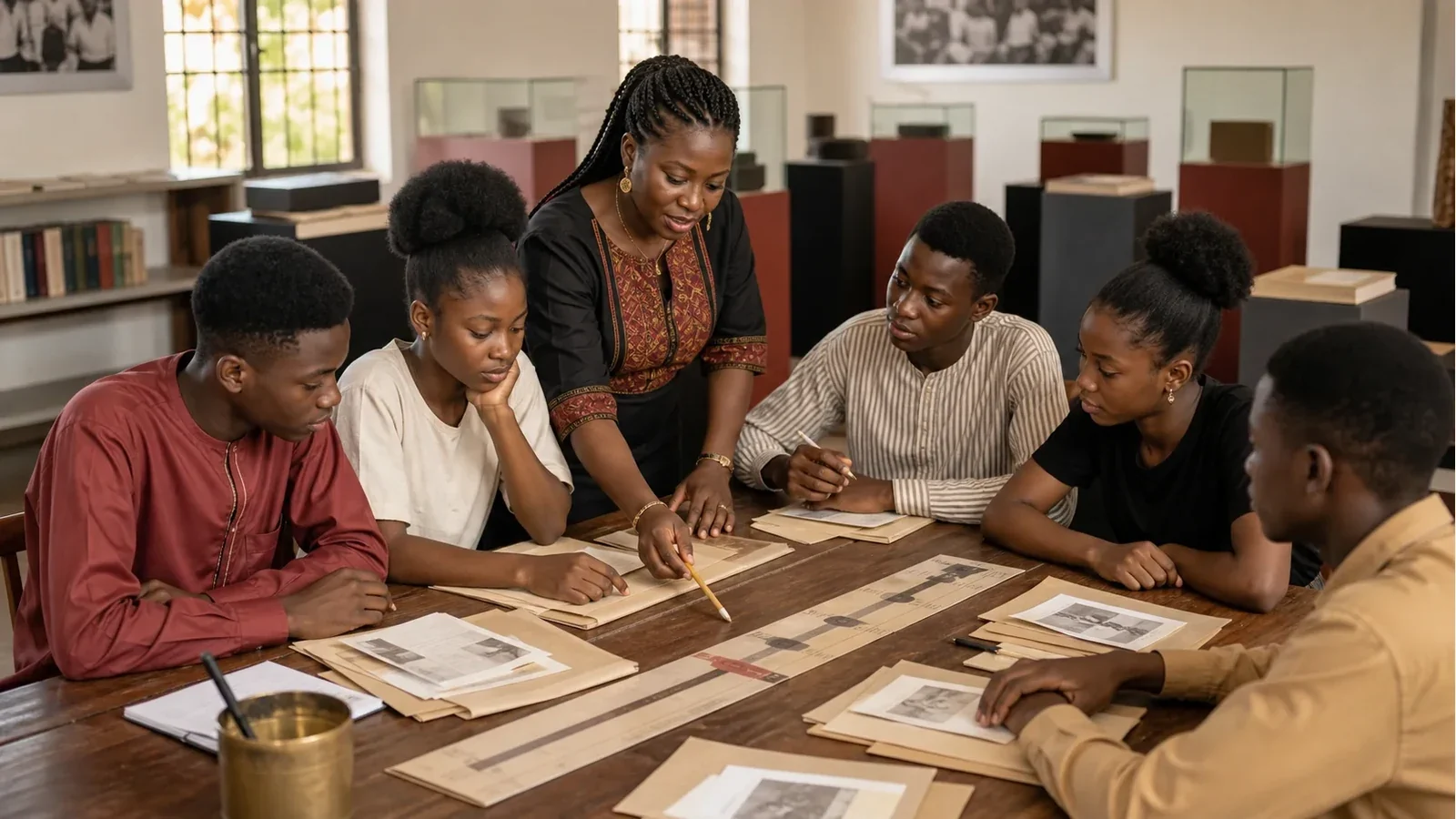
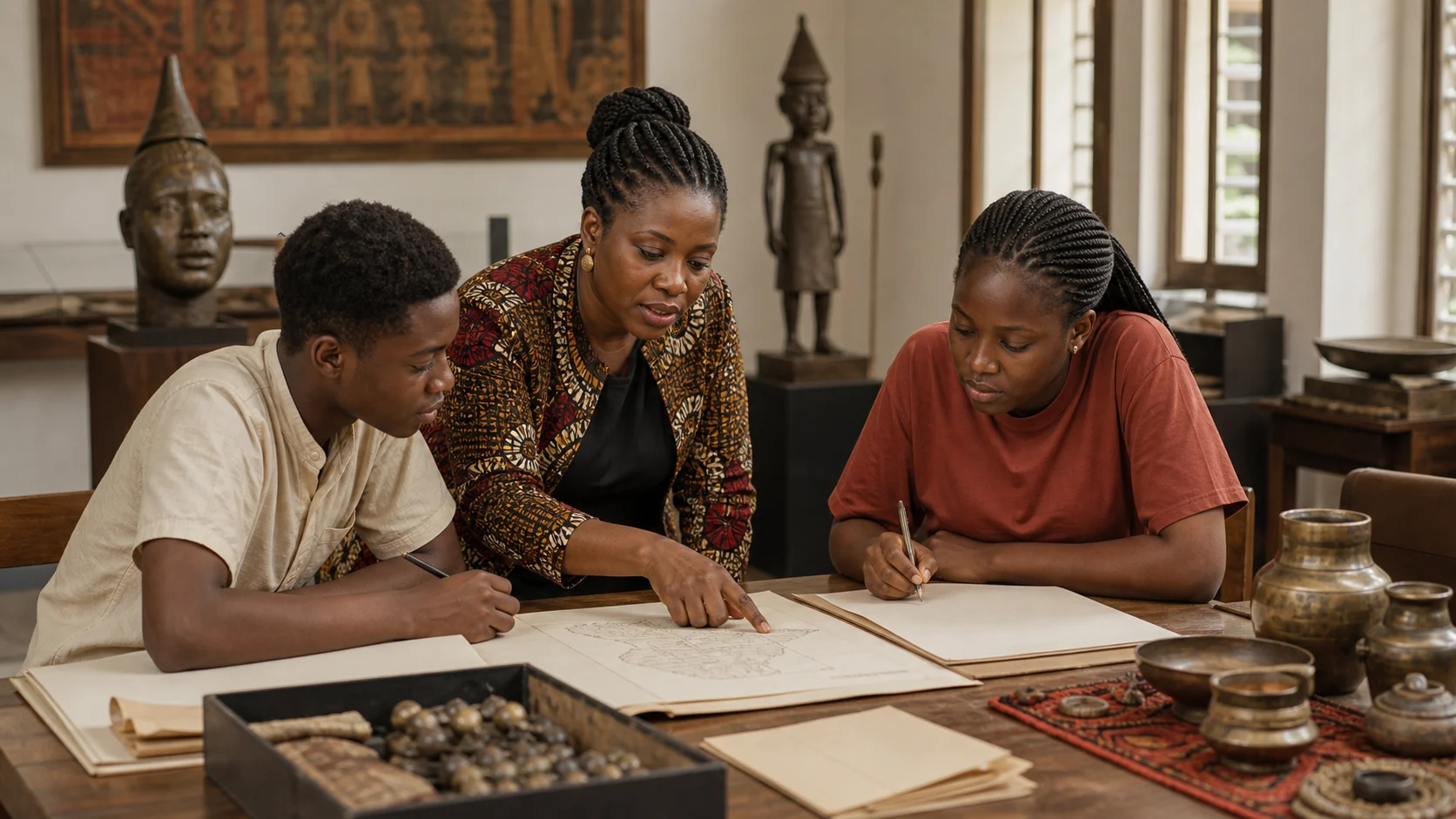
Open records help artists reinterpret forms, help teachers build lessons, help curators plan exhibitions, and help families understand why a distant object may still feel emotionally close. Access to records creates cultural momentum before and after physical returns.
The Edo-language dimension is especially important. A catalogue that includes local language and oral history pushes against the old habit of describing African objects only through European museum terms. It restores some interpretive authority to the culture that produced the works.
That does not mean every database is complete or neutral. Metadata reflects choices. Names, categories, dates, and descriptions require revision. But a living archive is better than silence, especially when it is connected to return rather than separated from it.
A practical research path for readers
A reader can begin with three questions: what type of object is this, where did it enter a museum collection, and what does the record say about 1897 or later transfers? Those questions turn passive viewing into active research.
Next, readers should compare sources. Digital Benin, individual museum pages, university policies, and return announcements each reveal a different layer. Together they show the shift from old museum confidence to a new climate of restitution.
Finally, readers can act. Share the evidence, link to the campaign, sign the petition, and ask institutions to publish clear provenance and return plans. Research becomes meaningful when it changes public expectations.
Frequently Asked Questions
What is Digital Benin?
It is a digital platform connecting records, provenance stories, archival documents, and wider history related to historic Benin objects.
Does provenance research always prove theft?
Not always, but for many 1897 Benin objects the violent context is central and already documented.
Why link digital access to activism?
Because public evidence helps people make informed demands for restitution and access.