This guide is part of the Reclaim Your DNA research library. It helps readers understand Nigerian heritage, the Benin Bronzes, the 1897 looting of Benin City, and the modern movement for cultural restitution through context, evidence and a concrete path to action.
Return is the beginning, not the end
A returned object creates a new responsibility. It must be conserved, documented, interpreted, insured, displayed, studied, and made meaningful for the public. Restitution is therefore not only about moving works from one country to another. It is about building the conditions for heritage to live again.
Benin City sits at the center of that future because the objects are tied to the Kingdom of Benin, the Oba's court, Edo history, and Nigerian national heritage. The city should not be treated as a symbolic destination only. It should be a knowledge center.
For the campaign, this matters because a petition is most powerful when it points beyond return. The demand is not simply bring them home. It is bring them home into systems where Nigerians can encounter, study, and protect them.
Museums as civic infrastructure
Museums are often described as cultural buildings, but they also function as civic infrastructure. They create jobs, train conservators, support tourism, give artists reference points, help schools teach history, and offer communities a place to debate memory.
The Museum of West African Art describes its mission around preservation, knowledge, and the celebration of West African arts and culture. Whether through MOWAA, national museums, palace-linked institutions, universities, or digital platforms, Nigeria's heritage ecosystem needs multiple strong nodes.
The point is not to copy European museum models. It is to build institutions shaped by local authority, contemporary Nigerian creativity, public education, and the specific responsibilities of returned heritage.
Conservation and training as restitution infrastructure
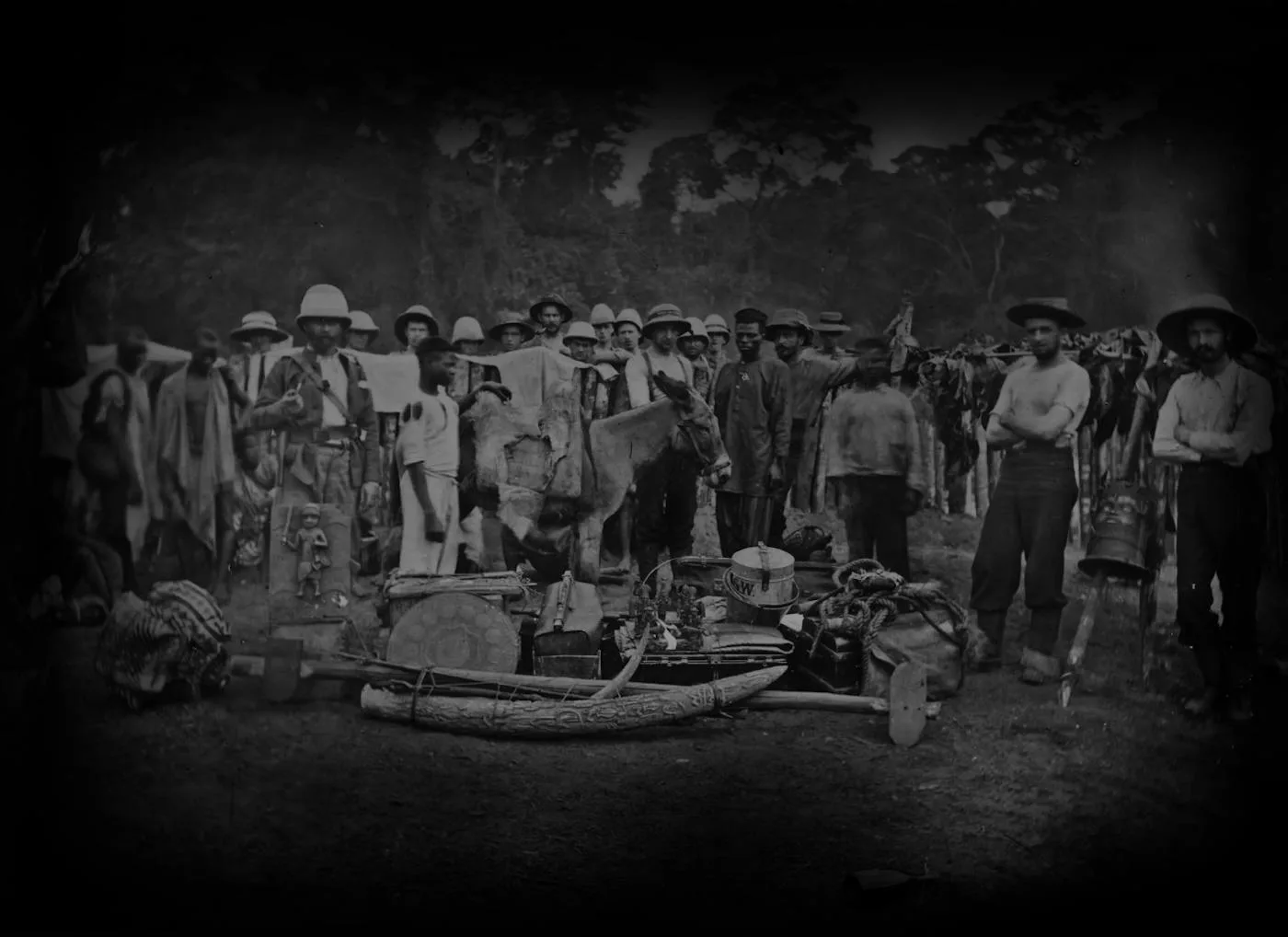
Opponents of restitution sometimes use conservation as an argument against return. A better approach is to treat conservation as part of restitution. If colonial removal created a global imbalance in collections and expertise, then repair should include investment in training, labs, climate control, security, research, and exchange.
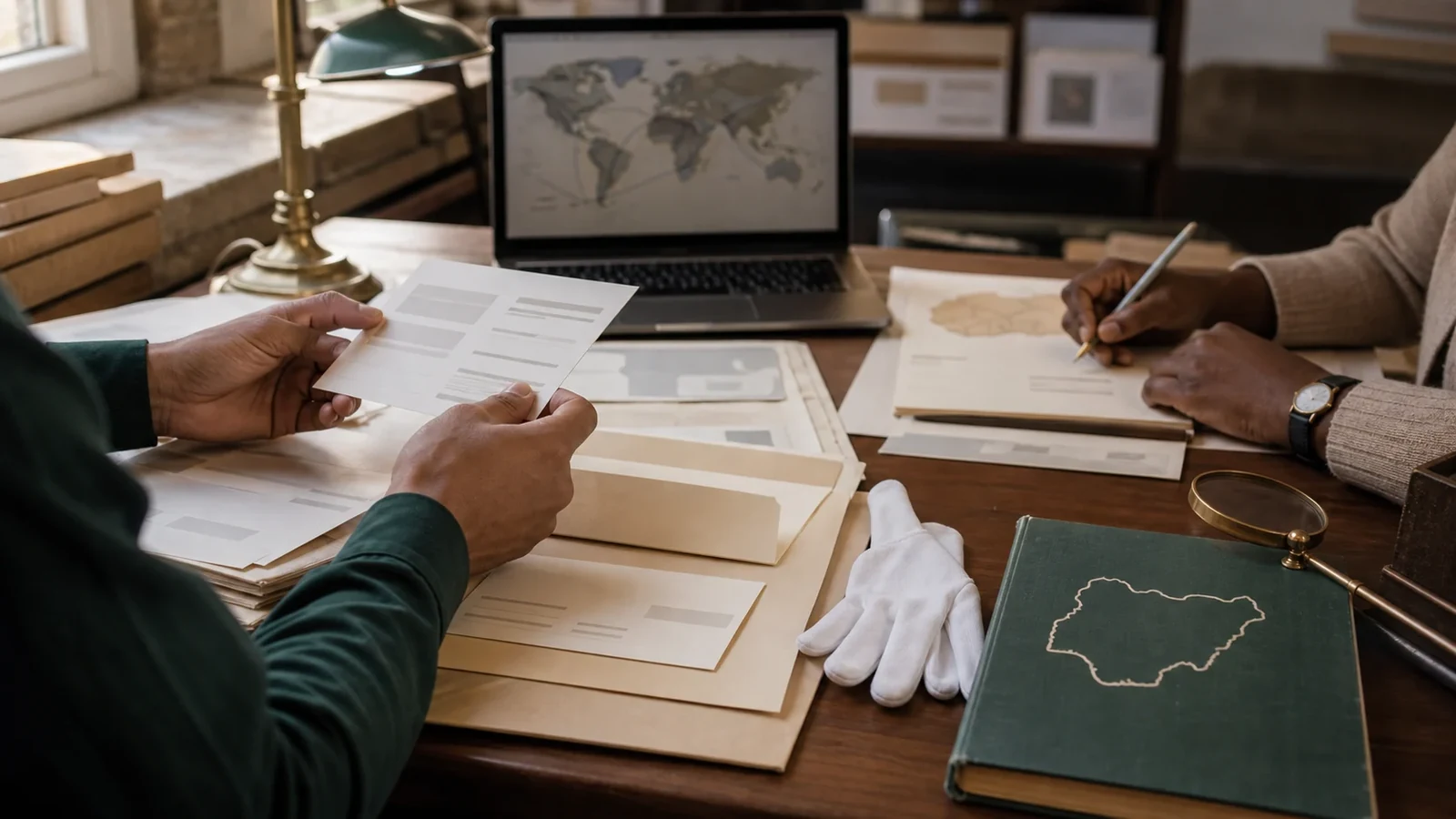
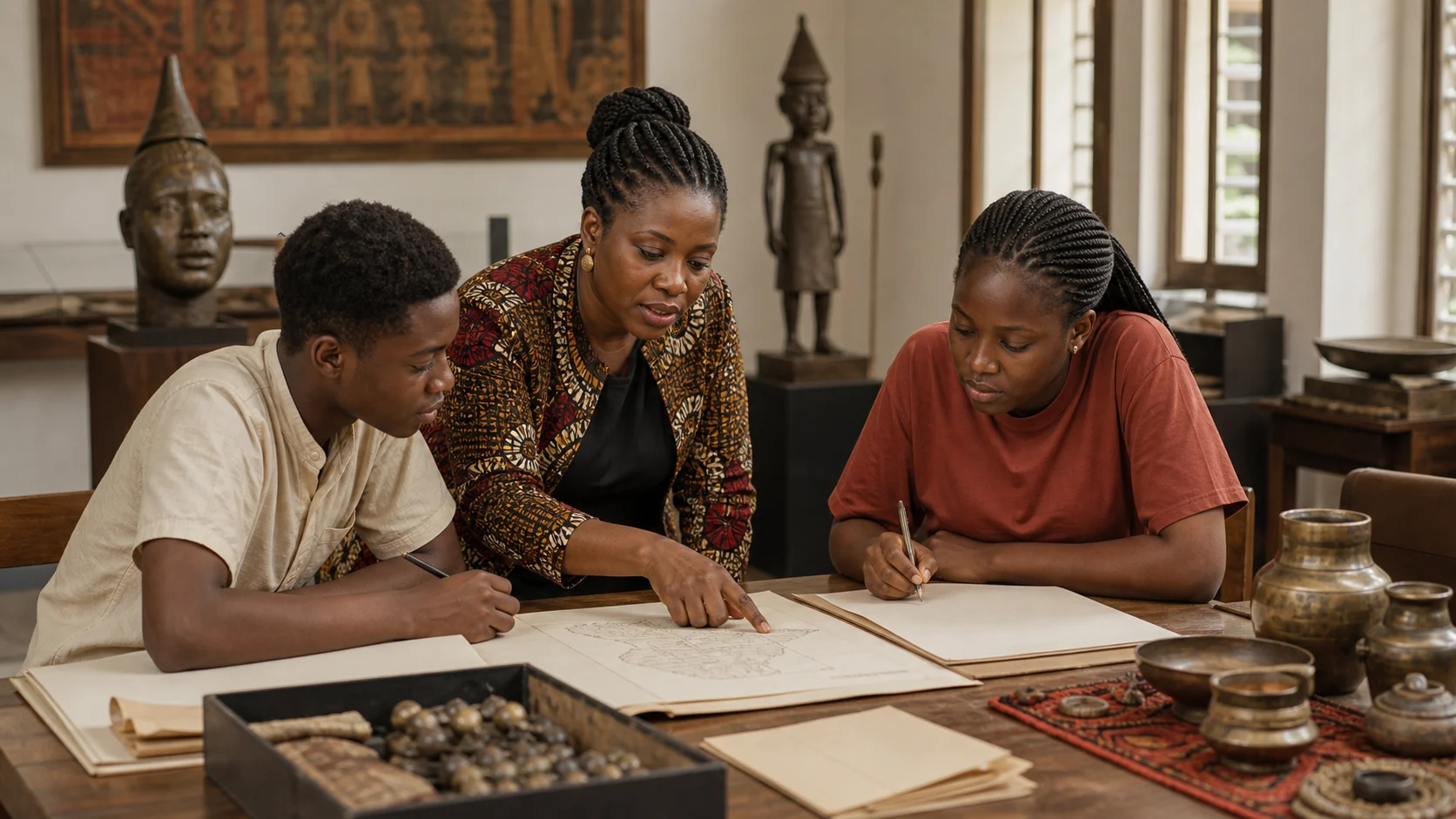
Archaeological and conservation projects in Benin City can reconnect objects to place while building local capacity. That work supports returned objects, but it also strengthens knowledge about palace sites, guild traditions, urban history, and material culture.
The practical future should be collaborative without being paternalistic. International institutions can share skills and resources, but Nigerian authorities and communities should lead the decisions about custody, display, and meaning.
Access for schools and families
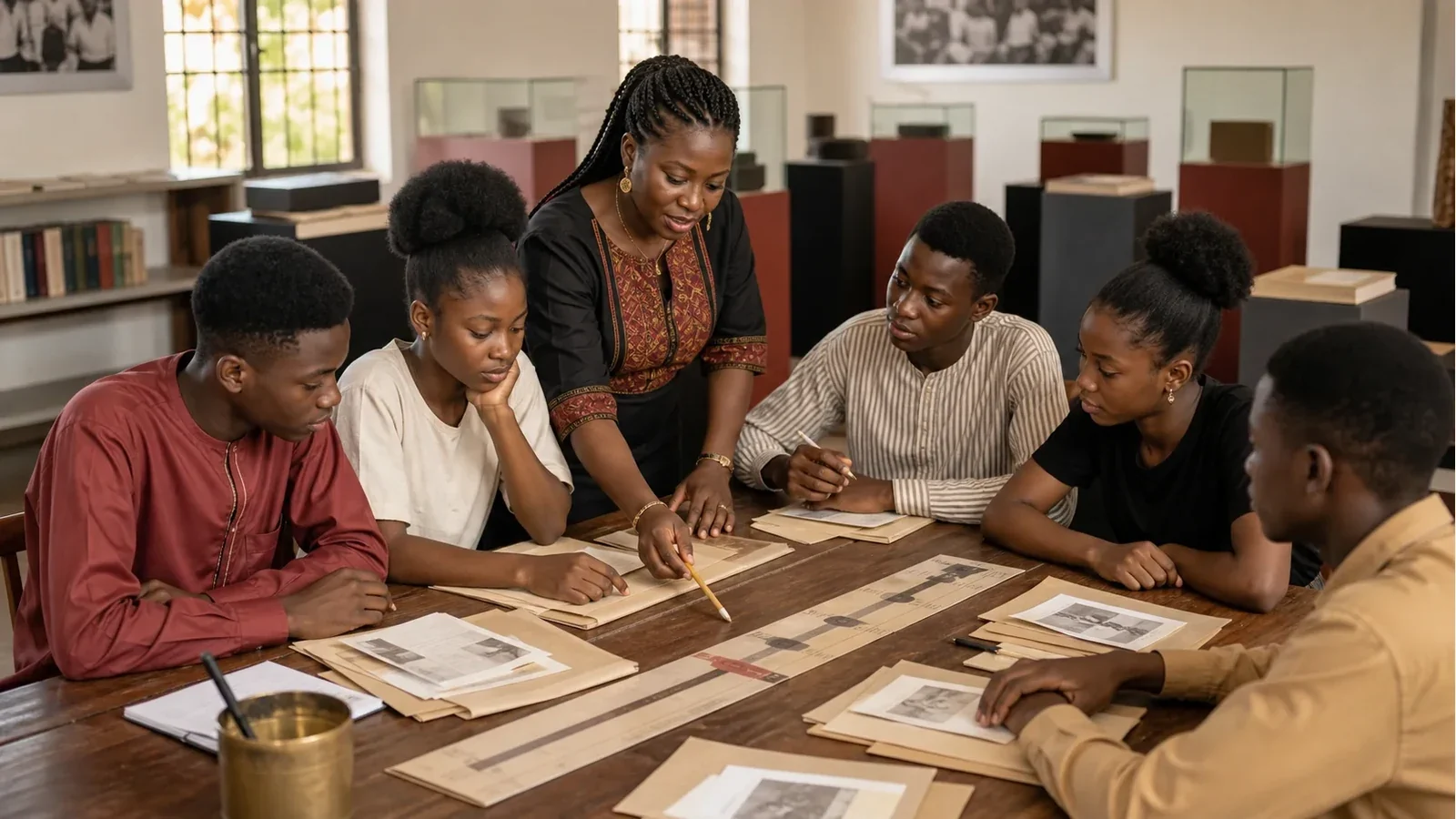
A museum future succeeds only if it reaches beyond specialists. School visits, teacher resources, youth workshops, public lectures, local-language interpretation, and accessible pricing can turn returned objects into shared education rather than elite display.
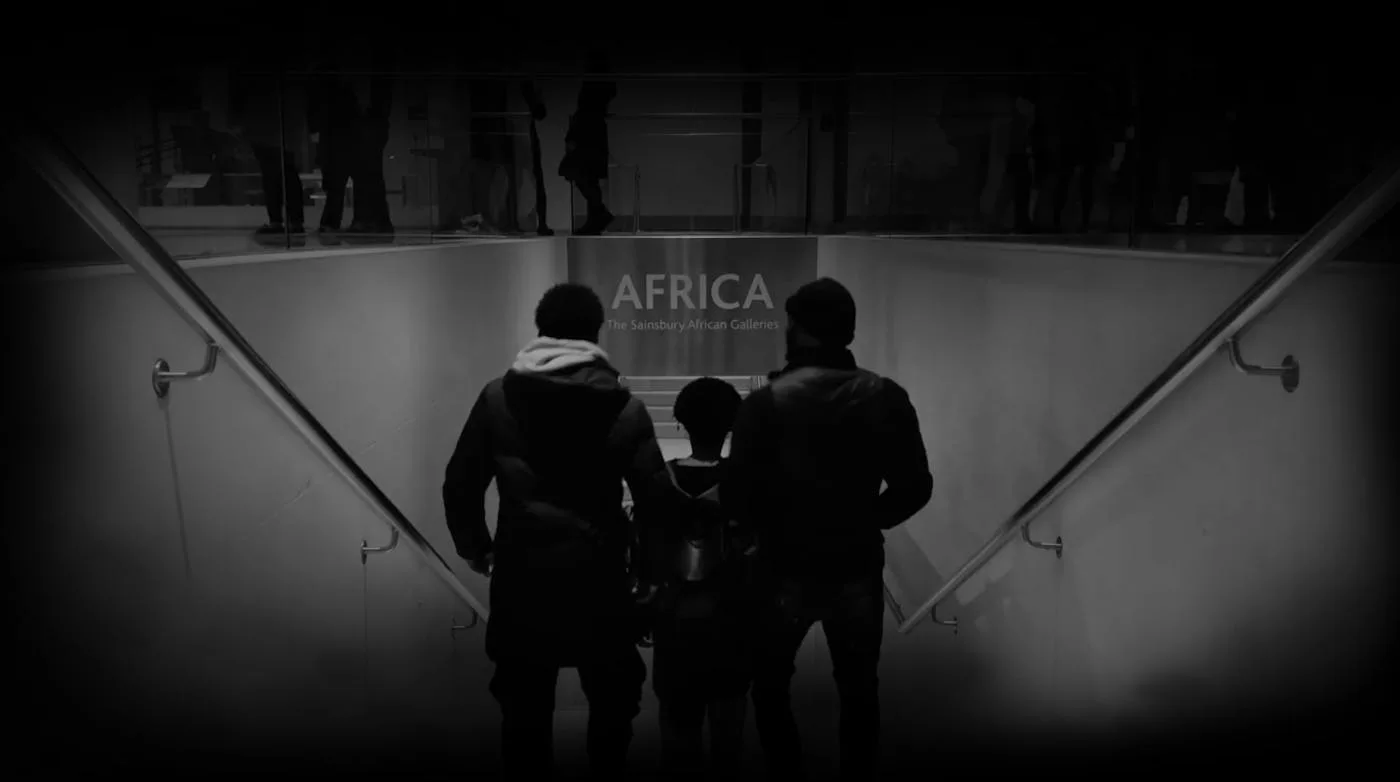
Families should be able to bring children into spaces where Nigerian history is presented with dignity and complexity. That experience changes how young people see themselves. It also changes how visitors from abroad understand Nigeria beyond colonial narratives.
Reclaim Your DNA can support this by linking historical articles, visual assets, and petition energy into a public learning pathway. The website becomes a doorway, while museums and archives become the deeper rooms.
Digital and physical access should work together
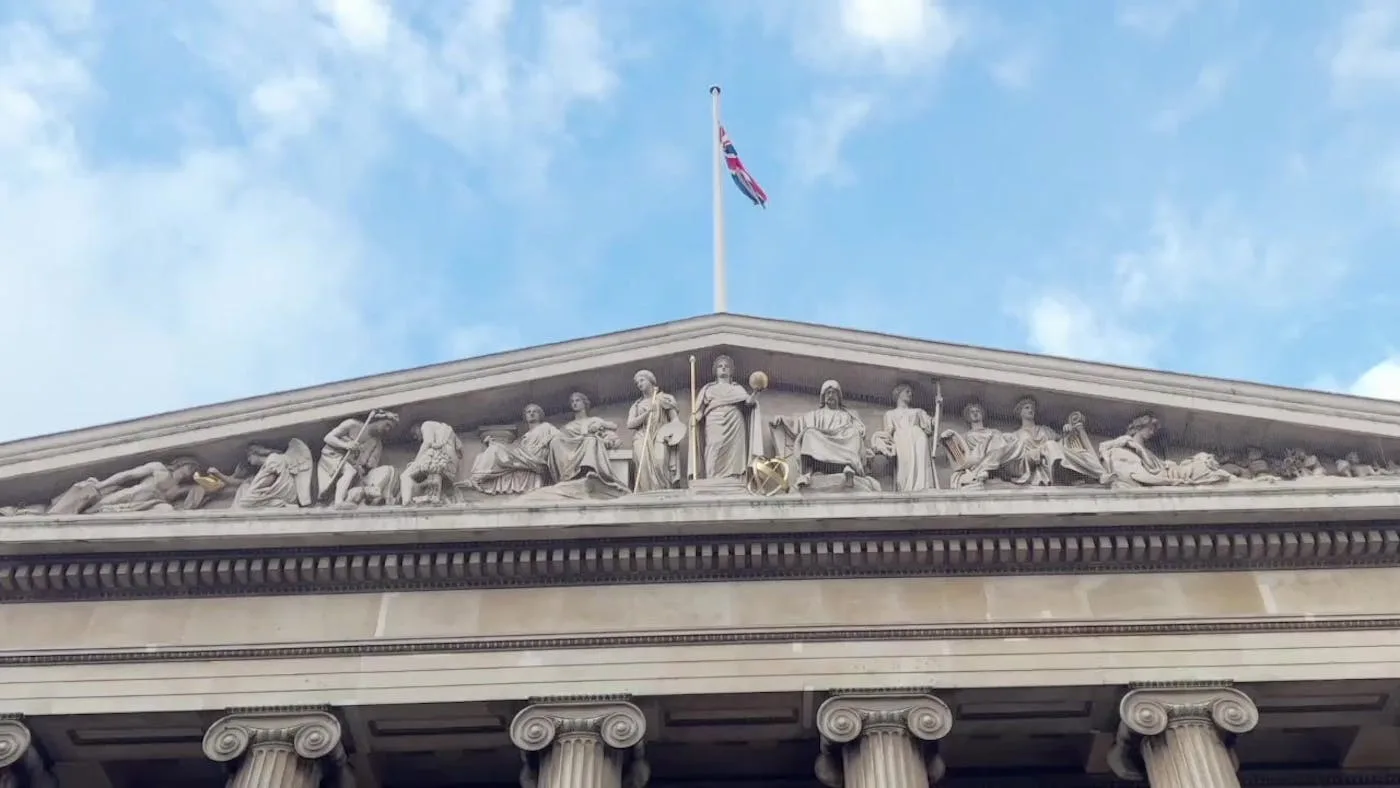
Digital access can reach people who cannot visit Benin City immediately. It can support diaspora learning, remote classrooms, and international research. Physical access provides presence, scale, material detail, ceremony, and the emotional force of seeing heritage at home.
The strongest model combines both. A returned object can be displayed locally, documented digitally, connected to oral histories, and studied internationally under Nigerian authority. That is not isolation; it is rebalanced access.
This is why the campaign's language of open-source heritage is valuable. It encourages sharing while keeping the central claim clear: openness should not mean that foreign institutions keep what was taken by force.
A future measured by participation
The success of restitution should be measured by participation. How many Nigerian students encounter the objects? How many artists respond to them? How many local professionals are trained? How many records are available in useful language? How many communities feel included rather than spoken for?
Those metrics shift the conversation from ownership as a trophy to ownership as responsibility. They also help answer skeptics who ask what happens after return. The answer should be visible in education, care, scholarship, public programming, and creative renewal.
Benin City can become more than the place objects come back to. It can become a place where global audiences learn what cultural repair looks like when it is led from the source.
Frequently Asked Questions
Why is Benin City central to the future of returned objects?
Because the objects are tied to the Kingdom of Benin, Edo history, and the cultural authority of the place they came from.
Does restitution require museum investment?
Yes. Conservation, training, public education, and digital documentation are essential parts of a strong return process.
Can digital access serve the diaspora?
Yes. Digital records can support diaspora learning while physical custody and authority are restored in Nigeria.