This guide is part of the Reclaim Your DNA research library. It helps readers understand Nigerian heritage, the Benin Bronzes, the 1897 looting of Benin City, and the modern movement for cultural restitution through context, evidence and a concrete path to action.
Why diaspora memory matters
Diaspora communities often carry heritage through food, language, music, names, faith, family stories, and public celebration. But material heritage adds another layer. Objects like the Benin Bronzes show that Nigerian history is not only remembered in private; it is also preserved in works of extraordinary artistic and political sophistication.
For many Nigerians abroad, the first encounter with Benin objects happens in a Western museum. That encounter can be moving, but it can also be unsettling. The object is close enough to see and far enough from home to reveal the history of removal.
Reclaiming cultural memory therefore means more than feeling pride. It means learning the history, sharing accurate sources, supporting return, and helping younger generations understand that Nigerian heritage belongs to them even when institutions abroad have held it for generations.
Start with evidence, not only emotion
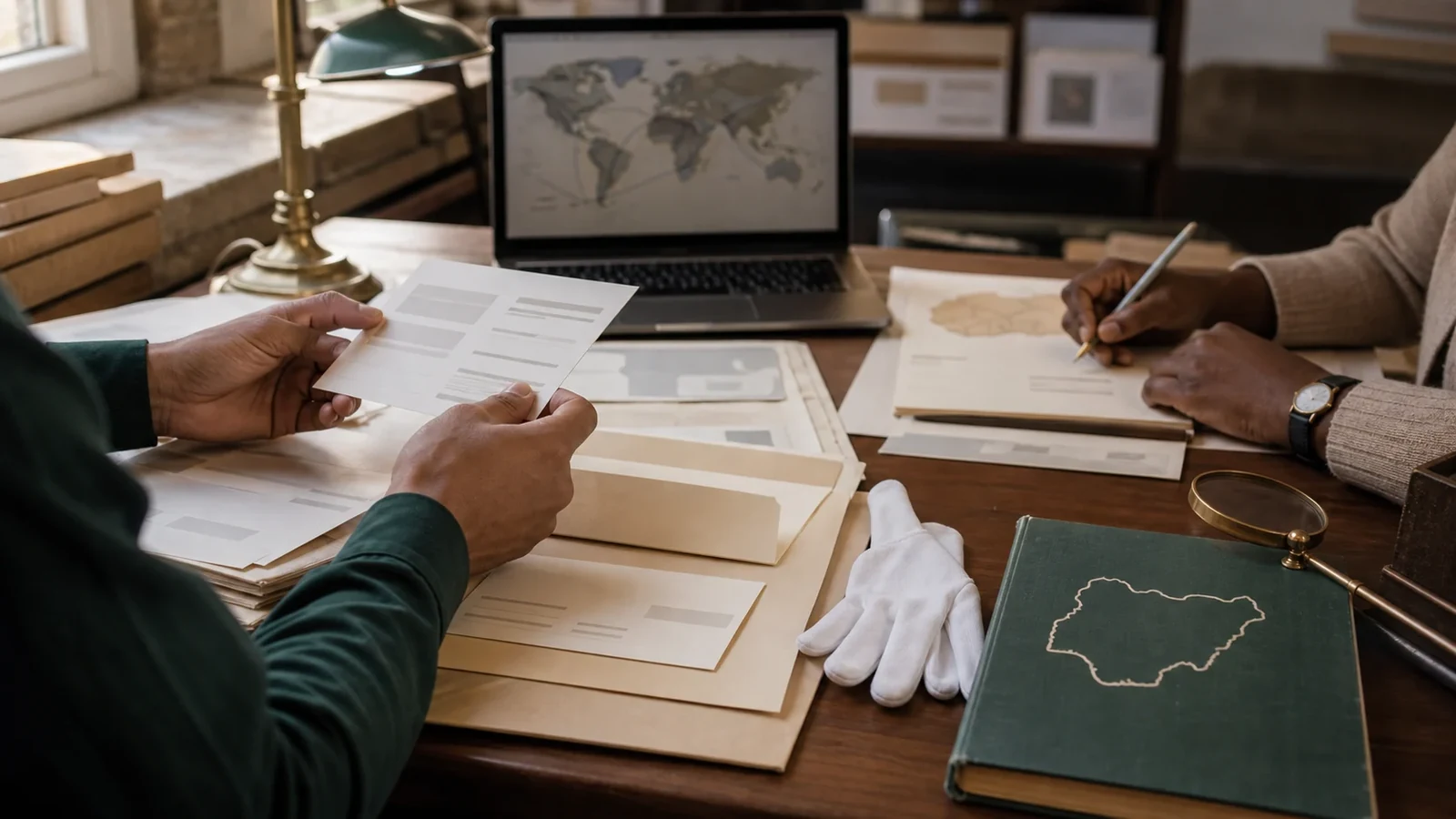
Emotion is legitimate. Anger, grief, pride, and longing all belong in the restitution conversation. But advocacy becomes stronger when emotion is paired with evidence. Digital Benin, museum provenance pages, university announcements, and government return notices give diaspora voices factual grounding.
That grounding helps in public discussions. When someone says the issue is complicated, advocates can agree that stewardship is complex while still naming the clear 1897 origin. When someone says digital access is enough, advocates can explain why access and ownership are different.
The best diaspora advocacy is calm, sourced, and persistent. It does not need to exaggerate because the documented history is already powerful.

Turn museum visits into accountability
If a diaspora reader visits a museum holding Benin objects, the visit can become an act of accountability. Read the label closely. Does it mention 1897? Does it name the Kingdom of Benin? Does it explain how the object entered the collection? Does it refer to restitution discussions?
Take notes, use the museum's own public contact channels, and ask clear questions. Public institutions respond to sustained, informed audience pressure. The goal is not to harass staff; it is to make vague interpretation harder to maintain.
Sharing what you learn can also help others. A photo of a label, a link to a provenance page, or a short explanation can move the conversation from abstract outrage to specific institutional responsibility.
Support Nigerian-led cultural infrastructure
Diaspora support should not stop at demanding that foreign museums act. It should also support Nigerian-led cultural infrastructure: museums, archives, artists, researchers, educators, conservation programs, and public history projects.
That support can be financial, but it can also be professional. Designers, teachers, technologists, lawyers, marketers, filmmakers, and researchers can contribute skills to heritage projects. Cultural repair needs many kinds of labor.
The campaign's petition is one entry point. The deeper work is to help build a public culture where returned heritage is studied, visited, debated, photographed, taught, and loved.

Teach the next generation the full story
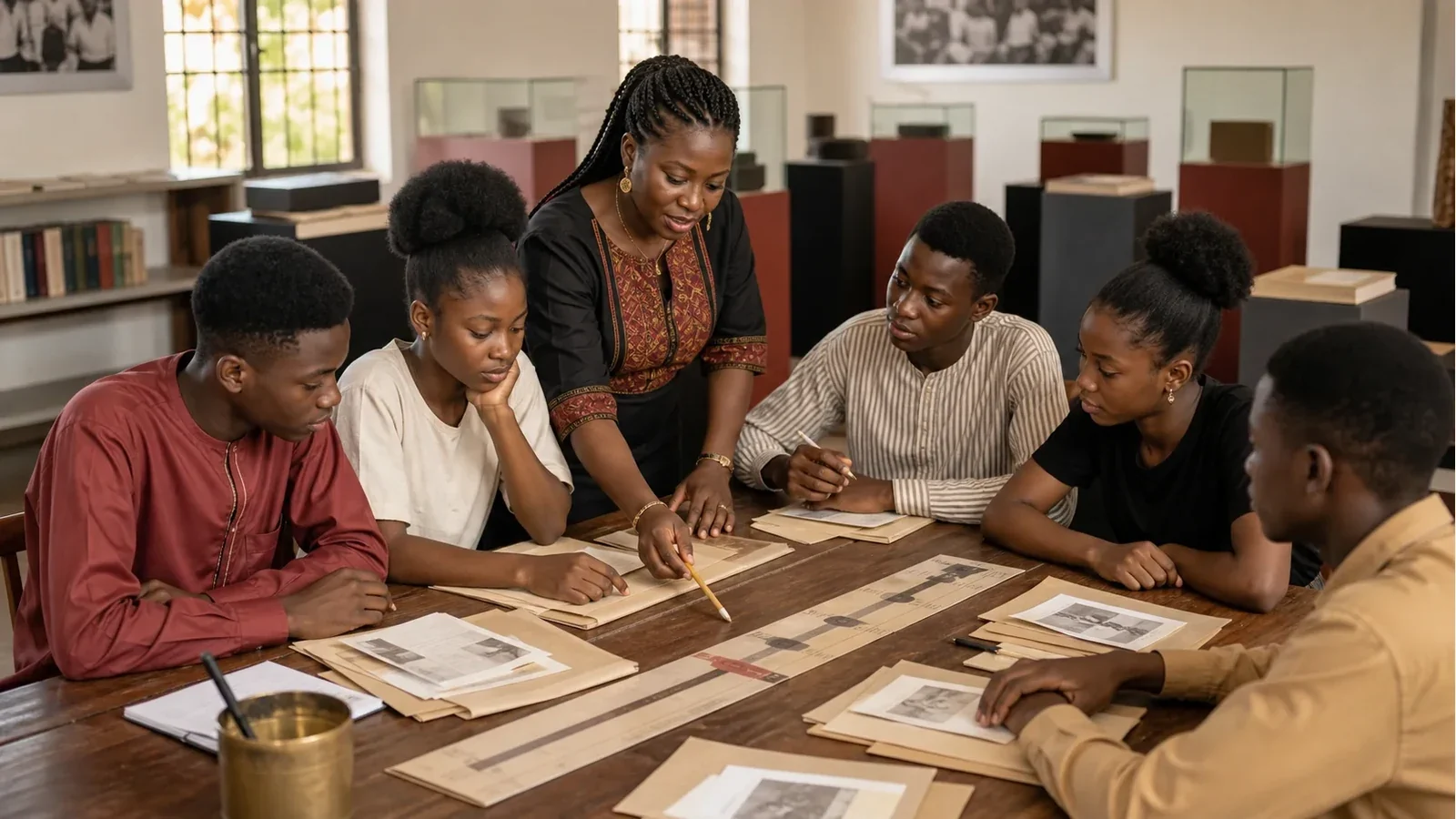
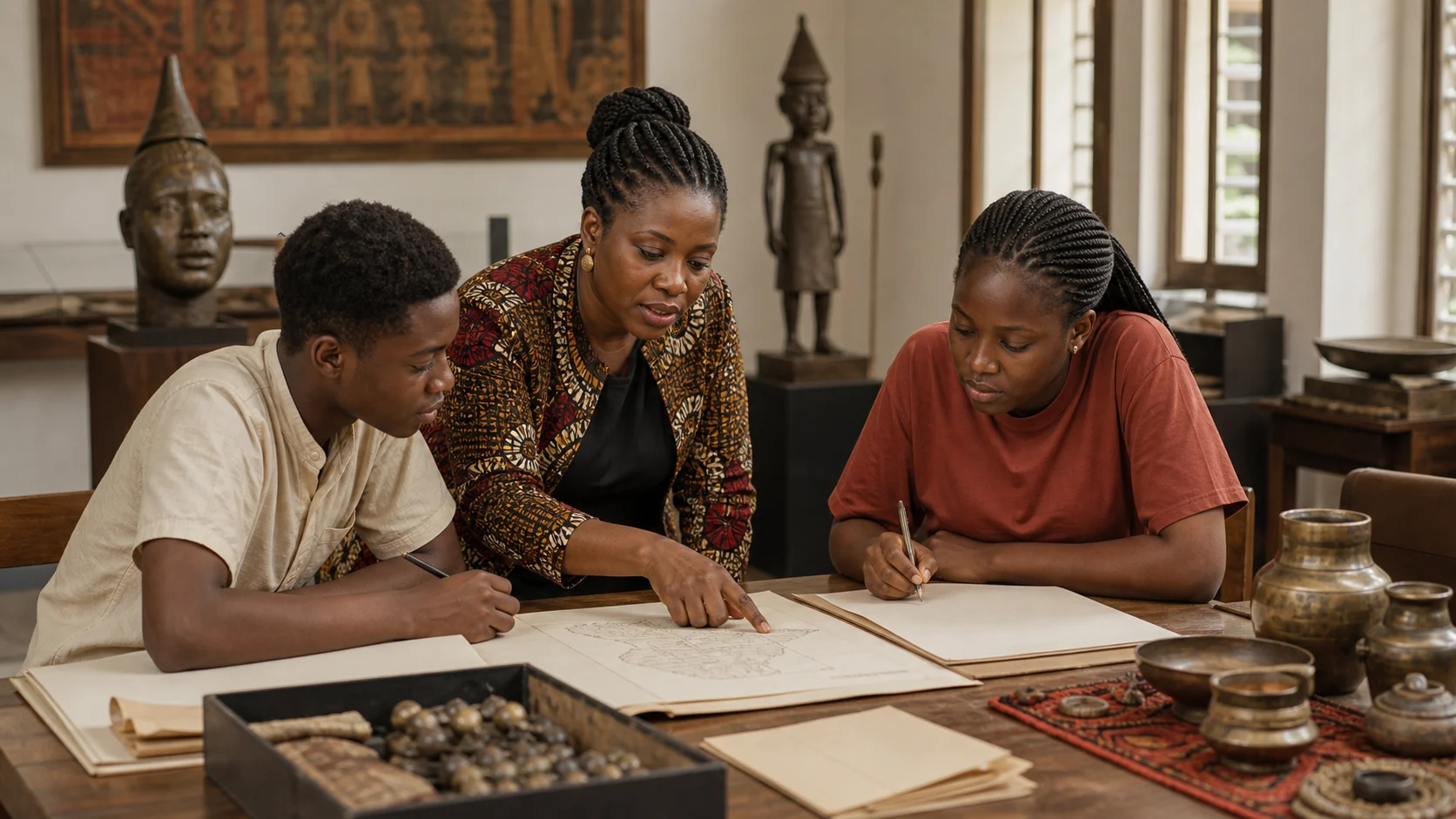
Young people deserve more than a simplified story of stolen objects. They deserve to learn about the Kingdom of Benin's political systems, artistic guilds, trade networks, royal ceremonies, colonial violence, global museum debates, and contemporary Nigerian creativity.
That full story prevents heritage from becoming only trauma. The looting matters, but the objects also speak of genius, order, craft, beauty, and continuity. Reclaiming memory means refusing both erasure and reduction.
Parents, teachers, creators, and community organizers can use articles like this as starting points, then link outward to Digital Benin, museum records, Nigerian scholarship, and local events.
Make advocacy visible and repeatable
Movements grow through repeated actions. Sign the petition, share one source-backed post, ask one museum question, teach one child a story, support one Nigerian cultural institution, and revisit the issue when new returns happen.
The global movement is changing because many people have repeated those small actions for years. Smithsonian, Horniman, Netherlands, Cambridge, and other decisions did not come from silence. They came from scholarship, diplomacy, activism, and public expectation.
The diaspora can help keep that expectation alive. Cultural memory is not reclaimed in a single moment; it is rebuilt through practice until the return of heritage feels not exceptional, but inevitable.

Frequently Asked Questions
What can the diaspora do today?
Sign and share the petition, learn the history from sourced archives, ask museums for clear provenance, and support Nigerian-led heritage projects.
Is this only about Benin objects?
The Benin Bronzes are a central case, but the principles apply to many displaced African cultural objects.
How should people talk about restitution online?
Use accurate sources, avoid exaggeration, link to evidence, and focus on ownership, access, and repair.