This guide is part of the Reclaim Your DNA research library. It helps readers understand Nigerian heritage, the Benin Bronzes, the 1897 looting of Benin City, and the modern movement for cultural restitution through context, evidence and a concrete path to action.
Why returns accelerated
For decades, Nigerian officials, Edo voices, scholars, artists, and campaigners called for the return of Benin objects. The pace of change was slow, but it did not stand still. The combination of better provenance research, public pressure, post-2020 institutional reflection, and diplomatic engagement has made retention harder to defend.
The global restitution movement is not one agreement. It is a series of decisions by museums, governments, universities, and trustees. Each return creates precedent, language, and practical experience that other institutions can no longer ignore.
Searchers asking who is returning the Benin Bronzes need an updated answer. The movement now includes major institutions in the United States, the United Kingdom, continental Europe, and university collections, with 2025 and 2026 adding important new examples.
United States: Smithsonian leadership
In 2022, the Smithsonian returned 29 Benin Bronzes to Nigeria's National Commission for Museums and Monuments. That decision mattered because it came from one of the most visible museum systems in the world and helped move the conversation from debate to action.
The return showed that an institution can acknowledge the 1897 context and still build future relationships around research, education, and collaboration. Restitution does not have to end scholarly connection; it can make collaboration more ethical.
For Reclaim Your DNA, this example is useful because it answers a common objection. Return is not impossible, irresponsible, or symbolic only. Large institutions can do it when leadership accepts that moral title matters.
United Kingdom: Horniman and Cambridge
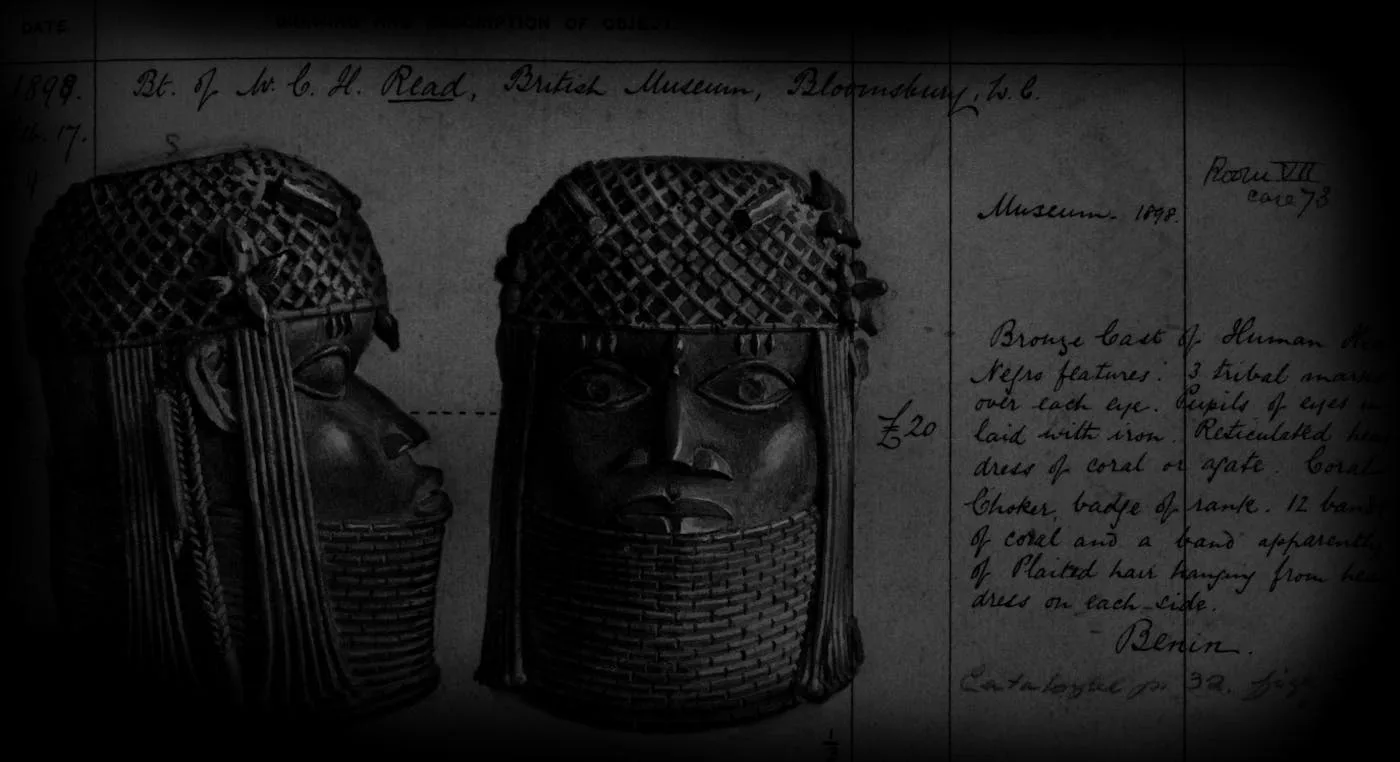
The Horniman Museum agreed in 2022 to return ownership of its Benin bronzes to Nigeria, explicitly connecting the objects to the 1897 looting. That decision stood out in the United Kingdom because national museums face legal limits, but other institutions can move faster when governance allows.
Cambridge has become another important case. Its Museum of Archaeology and Anthropology developed a return framework, and in February 2026 the University announced the transfer of legal ownership of 116 Benin artefacts to Nigeria's National Commission for Museums and Monuments under a management agreement involving the Benin Royal Palace.
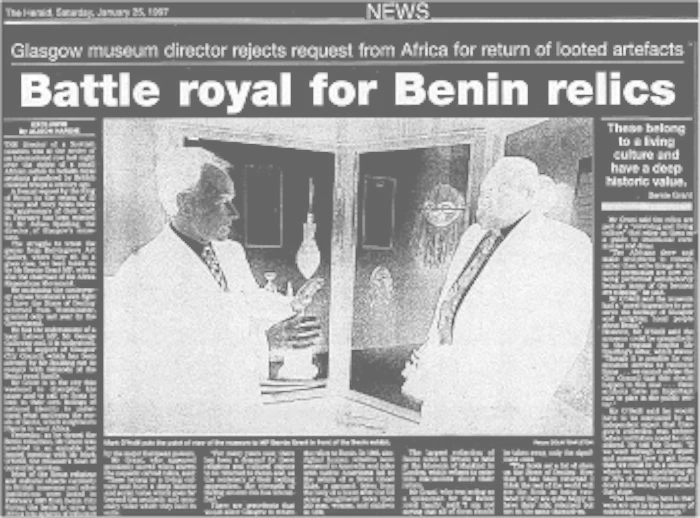
These UK examples increase pressure on institutions that still hold large Benin collections. They show that the question is not whether Britain has any path to return. The question is which institutions will use the paths they have, and whether law will evolve where it blocks repair.
Netherlands and Germany: state-level action
The Netherlands announced and carried out the return of 119 Benin Bronzes to Nigeria in 2025. The Dutch government described the restitution as the result of cooperation between experts and representatives from Nigeria and the Netherlands, with the Nigerian government deciding how and where the objects should be displayed.
Germany has also been central to the movement, including the transfer of ownership over large numbers of Benin objects and public ceremonies returning works to Nigeria. These actions matter because they show that national governments can take responsibility for collections held across public museums.
State-level action changes the scale of restitution. A museum-by-museum approach can be slow. Government frameworks can coordinate ownership transfer, funding, conservation partnerships, and diplomatic recognition more quickly.
What each return proves
Every return proves that the old arguments are weaker than they sounded. Museums can document objects, negotiate with Nigeria, transfer ownership, plan long-term loans where appropriate, and continue scholarship without claiming permanent possession.
Each return also makes non-return more visible. When one institution acts, another institution holding similar objects must explain why its moral calculation is different. Public precedent creates public pressure.
That is why internal linking matters for the campaign. Readers can move from this restitution tracker to the history article, then to the petition. The story becomes cumulative: what happened, what the objects are, who is acting, and what remains to be done.
What still needs to happen
The movement is real, but the work is unfinished. Many objects remain abroad. Some institutions still prefer loans, vague dialogue, or slow research over transfer of ownership. Others face legal restrictions that require legislative change.
Nigeria also needs continued investment in conservation, public programming, regional access, museum infrastructure, digitization, and community consultation. Return should create a stronger heritage ecosystem, not a narrow ceremonial moment.
The next phase should be measured by ownership transferred, objects physically returned, records published, Nigerian access expanded, and educational value created. Restitution is not a headline; it is a long repair process.

Frequently Asked Questions
Which country returned 119 Benin Bronzes in 2025?
The Netherlands returned 119 Benin Bronzes to Nigeria in 2025.
What did Cambridge announce in 2026?
Cambridge announced the transfer of legal ownership of 116 Benin artefacts to Nigeria's NCMM.
Do returns stop museums from collaborating?
No. Restitution can create more ethical partnerships through research, loans, conservation, and education.