This long-form guide is part of the Reclaim Your DNA blog, created to help readers understand Nigerian heritage, the Benin Bronzes, the 1897 looting of Benin City, and the modern movement for cultural restitution. It is structured for search visibility, but the deeper aim is public clarity: readers should leave with context, evidence, and a concrete path to action.

A misleading name for a diverse body of work

The phrase Benin Bronzes is useful for search, but it compresses many categories of objects into one label. Some works are brass, some are bronze, some are ivory, wood, coral, or other materials. They include relief plaques, heads, figures, bells, staffs, tusks, regalia, and personal ornaments connected to the royal court of Benin. For readers following the what are the Benin Bronzes conversation, the important point is that this history is not abstract. It gives the reader a clearer path from historical fact to moral responsibility. A source-led approach also keeps the conversation grounded: dates, object categories, custody paths, institutional statements, and public return announcements can be checked by anyone who wants to go deeper. For campaign readers, that means the next step is not only to agree emotionally, but to share sourced explanations, ask better questions of institutions, and support Nigerian-led cultural infrastructure.

The name can also make the objects sound like a single artistic series. In reality, they were part of a complex visual system made across centuries. They helped record dynastic history, honor ancestors, represent court offices, and make political order visible inside the palace. That is why this topic deserves more than a short caption or a museum label. It turns an inherited absence into something that can be named, studied, and repaired. The nuance is important because public memory is often shaped by repetition. If the same incomplete museum phrasing is repeated for decades, it begins to feel neutral even when the underlying history is not neutral at all. For museums and universities, it means that transparency should lead to decisions, not simply to more descriptive language around objects whose histories are already clear enough to require repair.

For a reader asking what are the Benin Bronzes, the best answer begins with this correction: they are not one thing. They are a cultural archive in material form, created by artists inside one of West Africa's most sophisticated kingdoms. This is also where the Reclaim Your DNA campaign connects research with public action. It helps people move from awareness to the concrete demand for return, access, and accountability. This is why the article links outward to references and inward to campaign pages. Search visibility should serve understanding, and understanding should make the reader more capable of acting with confidence. For Nigerian and diaspora audiences, it means that heritage can be treated as active knowledge: something to learn, teach, protect, reinterpret, and bring back into ordinary public life.

Royal art made by specialist guilds

Benin art emerged from skilled guild traditions attached to royal authority. Brass casters, ivory carvers, coral workers, leather specialists, and other makers operated inside a social system where artistic production was linked to rank, ritual, and service to the Oba's court. For readers following the what are the Benin Bronzes conversation, the important point is that this history is not abstract. It gives the reader a clearer path from historical fact to moral responsibility. A source-led approach also keeps the conversation grounded: dates, object categories, custody paths, institutional statements, and public return announcements can be checked by anyone who wants to go deeper. For campaign readers, that means the next step is not only to agree emotionally, but to share sourced explanations, ask better questions of institutions, and support Nigerian-led cultural infrastructure.

The famous plaques are especially important because they show figures, court dress, weapons, attendants, foreign contacts, animals, and ceremonial moments. They were visual records and political statements. They made the palace walls speak in images. That is why this topic deserves more than a short caption or a museum label. It turns an inherited absence into something that can be named, studied, and repaired. The nuance is important because public memory is often shaped by repetition. If the same incomplete museum phrasing is repeated for decades, it begins to feel neutral even when the underlying history is not neutral at all. For museums and universities, it means that transparency should lead to decisions, not simply to more descriptive language around objects whose histories are already clear enough to require repair.

That context changes how we see the objects in foreign museums. A plaque inside a glass case may appear isolated and aesthetic. In Benin, it belonged to a network of architecture, ceremony, oral history, and authority. Restitution is therefore about restoring context as much as moving material. This is also where the Reclaim Your DNA campaign connects research with public action. It helps people move from awareness to the concrete demand for return, access, and accountability. This is why the article links outward to references and inward to campaign pages. Search visibility should serve understanding, and understanding should make the reader more capable of acting with confidence. For Nigerian and diaspora audiences, it means that heritage can be treated as active knowledge: something to learn, teach, protect, reinterpret, and bring back into ordinary public life.
Detailed bronze-inspired campaign visual

Why European audiences were astonished

When Benin works reached European collections, they contradicted colonial myths about African artistic capacity. Their technical refinement, historical density, and courtly sophistication made it impossible to sustain the idea that complex art traditions were absent from West Africa. For readers following the what are the Benin Bronzes conversation, the important point is that this history is not abstract. It gives the reader a clearer path from historical fact to moral responsibility. A source-led approach also keeps the conversation grounded: dates, object categories, custody paths, institutional statements, and public return announcements can be checked by anyone who wants to go deeper. For campaign readers, that means the next step is not only to agree emotionally, but to share sourced explanations, ask better questions of institutions, and support Nigerian-led cultural infrastructure.

Yet that recognition came through a colonial wound. Western admiration often arrived after Western violence. Museums celebrated the objects while the conditions of removal were softened, shortened, or hidden behind the language of collecting. That is why this topic deserves more than a short caption or a museum label. It turns an inherited absence into something that can be named, studied, and repaired. The nuance is important because public memory is often shaped by repetition. If the same incomplete museum phrasing is repeated for decades, it begins to feel neutral even when the underlying history is not neutral at all. For museums and universities, it means that transparency should lead to decisions, not simply to more descriptive language around objects whose histories are already clear enough to require repair.

A responsible article about Benin Bronzes has to hold both realities together. The works deserve admiration, but admiration without restitution can become another form of possession. Beauty cannot be separated from the history that displaced it. This is also where the Reclaim Your DNA campaign connects research with public action. It helps people move from awareness to the concrete demand for return, access, and accountability. This is why the article links outward to references and inward to campaign pages. Search visibility should serve understanding, and understanding should make the reader more capable of acting with confidence. For Nigerian and diaspora audiences, it means that heritage can be treated as active knowledge: something to learn, teach, protect, reinterpret, and bring back into ordinary public life.

The objects as memory technology

The Benin Bronzes functioned like memory technology long before the digital age. They encoded names, offices, rituals, victories, relationships, and cosmological ideas. They helped a court remember itself and helped future generations understand the structures of power that shaped the kingdom. For readers following the what are the Benin Bronzes conversation, the important point is that this history is not abstract. It gives the reader a clearer path from historical fact to moral responsibility. A source-led approach also keeps the conversation grounded: dates, object categories, custody paths, institutional statements, and public return announcements can be checked by anyone who wants to go deeper. For campaign readers, that means the next step is not only to agree emotionally, but to share sourced explanations, ask better questions of institutions, and support Nigerian-led cultural infrastructure.

This is why the language of DNA works for the campaign. The objects are not biological DNA, but they carry cultural inheritance. They are evidence of continuity, skill, and identity. When they are separated from their source community, the loss is educational, emotional, and civic. That is why this topic deserves more than a short caption or a museum label. It turns an inherited absence into something that can be named, studied, and repaired. The nuance is important because public memory is often shaped by repetition. If the same incomplete museum phrasing is repeated for decades, it begins to feel neutral even when the underlying history is not neutral at all. For museums and universities, it means that transparency should lead to decisions, not simply to more descriptive language around objects whose histories are already clear enough to require repair.

Digital Benin helps rebuild some of that memory by connecting object data with provenance, archival documents, oral histories, and Edo-language knowledge. But the digital archive also reveals the scale of dispersal, which strengthens the argument for physical return. This is also where the Reclaim Your DNA campaign connects research with public action. It helps people move from awareness to the concrete demand for return, access, and accountability. This is why the article links outward to references and inward to campaign pages. Search visibility should serve understanding, and understanding should make the reader more capable of acting with confidence. For Nigerian and diaspora audiences, it means that heritage can be treated as active knowledge: something to learn, teach, protect, reinterpret, and bring back into ordinary public life.
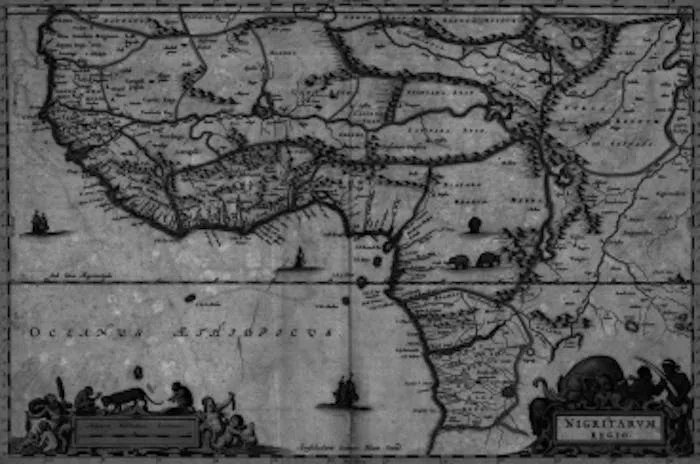
Archive detail visual connected to Benin heritage

Why local access changes meaning

A Nigerian child seeing a Benin work in Nigeria receives a different message from a Nigerian child seeing the same work in a foreign museum catalogue. Local access says: this is part of your world, your history, and your future. Foreign-only access says: your history is important, but you must travel elsewhere to meet it. For readers following the what are the Benin Bronzes conversation, the important point is that this history is not abstract. It gives the reader a clearer path from historical fact to moral responsibility. A source-led approach also keeps the conversation grounded: dates, object categories, custody paths, institutional statements, and public return announcements can be checked by anyone who wants to go deeper. For campaign readers, that means the next step is not only to agree emotionally, but to share sourced explanations, ask better questions of institutions, and support Nigerian-led cultural infrastructure.

That difference matters for artists, historians, students, curators, and families. It affects who feels entitled to study the objects, reinterpret them, protect them, and build new creative work from them. That is why this topic deserves more than a short caption or a museum label. It turns an inherited absence into something that can be named, studied, and repaired. The nuance is important because public memory is often shaped by repetition. If the same incomplete museum phrasing is repeated for decades, it begins to feel neutral even when the underlying history is not neutral at all. For museums and universities, it means that transparency should lead to decisions, not simply to more descriptive language around objects whose histories are already clear enough to require repair.

The campaign's internal story page explains the 120-year exile. This article adds the object-level reason: the exile removed not only things, but a teaching system. Restitution can reopen that system in museums, classrooms, digital archives, and public culture. This is also where the Reclaim Your DNA campaign connects research with public action. It helps people move from awareness to the concrete demand for return, access, and accountability. This is why the article links outward to references and inward to campaign pages. Search visibility should serve understanding, and understanding should make the reader more capable of acting with confidence. For Nigerian and diaspora audiences, it means that heritage can be treated as active knowledge: something to learn, teach, protect, reinterpret, and bring back into ordinary public life.

How to talk about them responsibly

Responsible language avoids treating the objects as anonymous African art. They come from the Kingdom of Benin in present-day Edo State, Nigeria. They were connected to specific institutions, guilds, royal histories, and forms of knowledge. For readers following the what are the Benin Bronzes conversation, the important point is that this history is not abstract. It gives the reader a clearer path from historical fact to moral responsibility. A source-led approach also keeps the conversation grounded: dates, object categories, custody paths, institutional statements, and public return announcements can be checked by anyone who wants to go deeper. For campaign readers, that means the next step is not only to agree emotionally, but to share sourced explanations, ask better questions of institutions, and support Nigerian-led cultural infrastructure.

Responsible language also avoids implying that Nigeria must prove cultural capacity before receiving its heritage back. Conservation and public access are important, but they should support return rather than become conditions that preserve colonial possession. That is why this topic deserves more than a short caption or a museum label. It turns an inherited absence into something that can be named, studied, and repaired. The nuance is important because public memory is often shaped by repetition. If the same incomplete museum phrasing is repeated for decades, it begins to feel neutral even when the underlying history is not neutral at all. For museums and universities, it means that transparency should lead to decisions, not simply to more descriptive language around objects whose histories are already clear enough to require repair.

For Reclaim Your DNA, the most useful public message is simple: the Benin Bronzes are masterpieces, but they are also witnesses. They witnessed a kingdom's brilliance, a colonial theft, and now a global movement for repair. This is also where the Reclaim Your DNA campaign connects research with public action. It helps people move from awareness to the concrete demand for return, access, and accountability. This is why the article links outward to references and inward to campaign pages. Search visibility should serve understanding, and understanding should make the reader more capable of acting with confidence. For Nigerian and diaspora audiences, it means that heritage can be treated as active knowledge: something to learn, teach, protect, reinterpret, and bring back into ordinary public life.
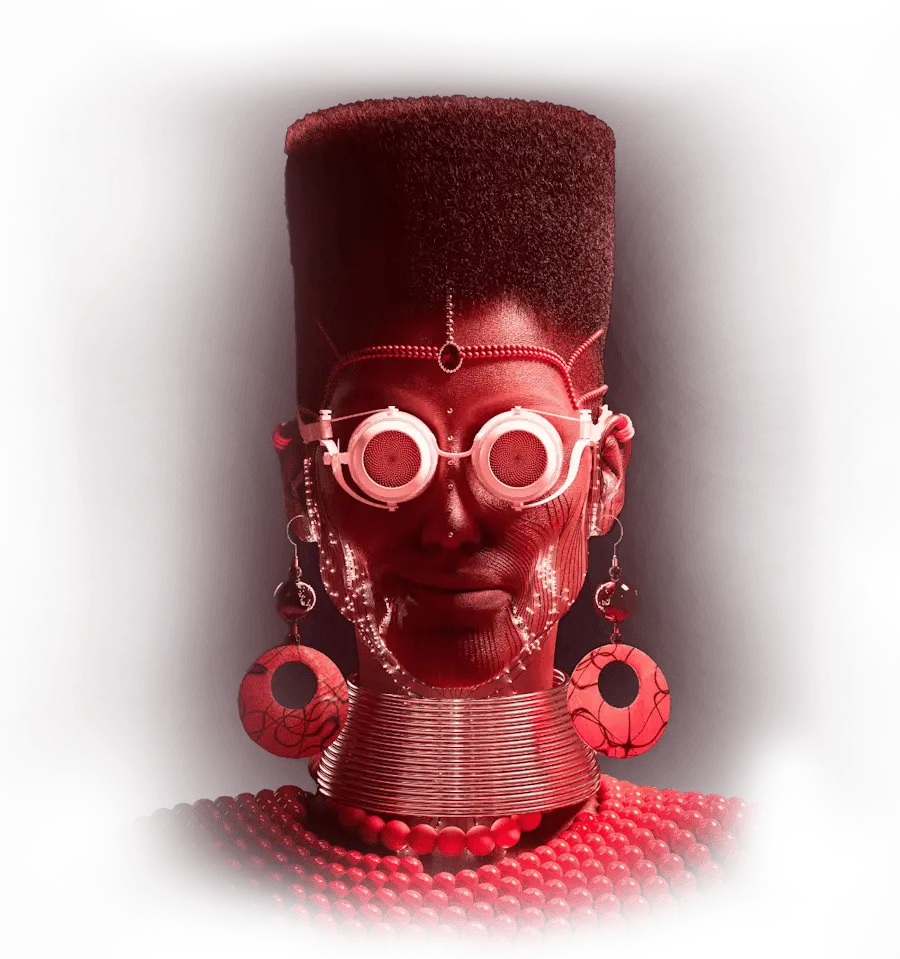
Ife mask artwork used in the campaign's visual identity

Frequently Asked Questions

Are all Benin Bronzes made of bronze?

No. The label includes brass, bronze, ivory, wood, coral, and other materials.

Were they made in the Republic of Benin?

No. They come from the historic Kingdom of Benin in present-day Edo State, Nigeria.

Why are they important for Nigeria?

They preserve court history, artistic knowledge, royal memory, and cultural identity.
References and Further Reading