This guide is part of the Reclaim Your DNA research library. It helps readers understand Nigerian heritage, the Benin Bronzes, the 1897 looting of Benin City, and the modern movement for cultural restitution through context, evidence and a concrete path to action.
A new funding warning from the World Monuments Fund should matter to anyone following Nigerian cultural restitution. The watch report covered by The Art Newspaper says 372 nominations were submitted for the 2027 World Monuments Watch, and that 65% of nominators identified funding shortages and economic-development pressure as a primary challenge. The headline is global, but the practical question for Reclaim Your DNA readers is local and concrete: what happens when returned objects, sacred sites, public museums and digital records depend on stable preservation budgets?
The answer is not that funding replaces ownership, title transfer or community authority. It is that restitution without care, documentation, security, conservation and interpretation can leave the public with symbolic return but weak access. Nigeria's recent return agreements, museum projects and living heritage sites show why money is not a side issue. It shapes who can study collections, whether records stay open, whether fragile places survive heavy visitation, and whether young Nigerians and diaspora families meet heritage as evidence rather than as slogans.
What changed
The immediate change is the scale and emphasis of WMF's 2027 Watch nomination cycle. According to the 30 September 2026 report, nominations nearly doubled compared with the previous cycle, and the leading threat named by nominators was not only climate pressure but insufficient public funding combined with economic development pressure. The same article reports that the share naming those pressures rose from 55% in 2024 to 65% for the 2027 cycle.
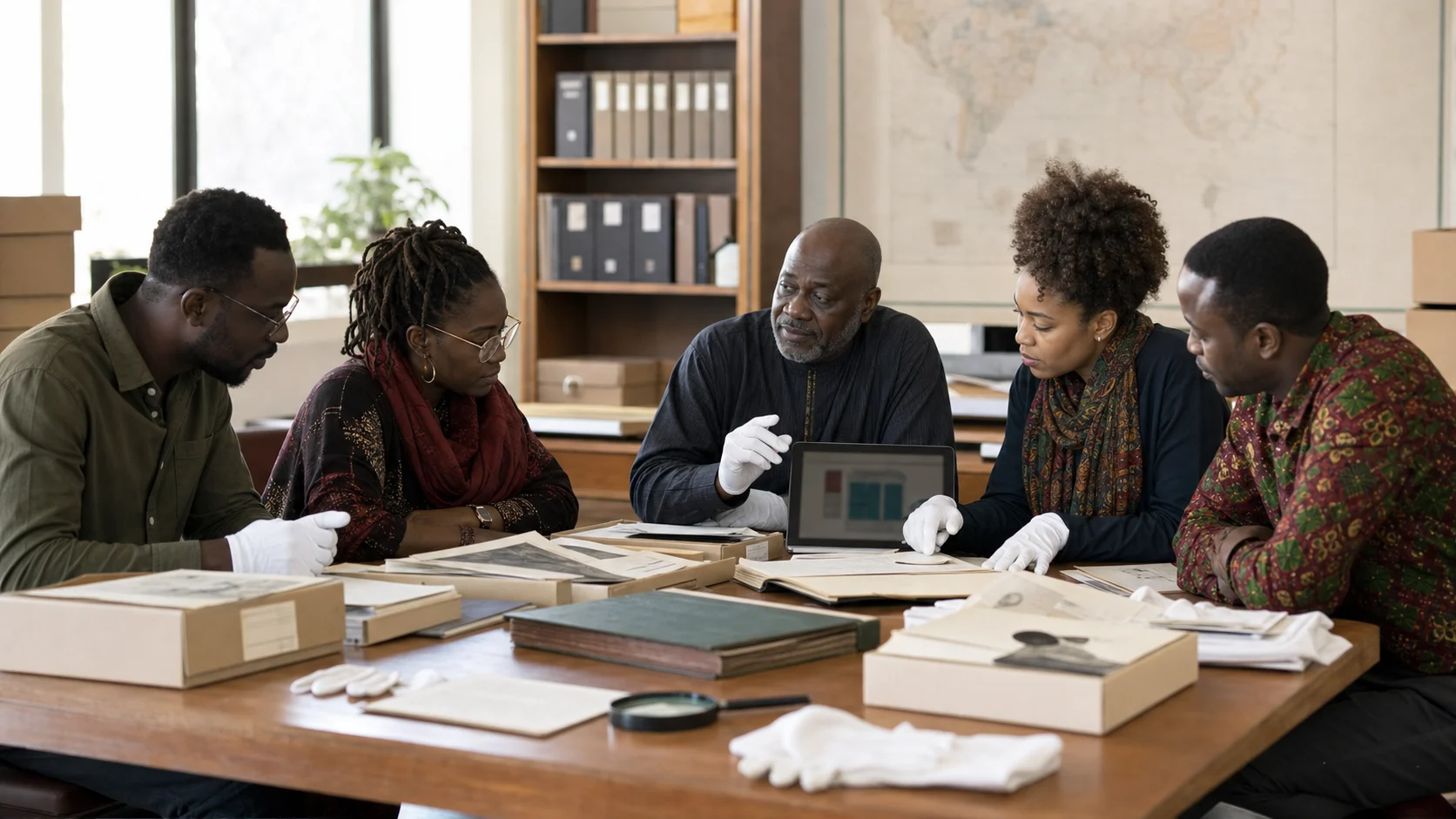
That finding is useful for Nigerian readers because cultural restitution is entering a more expensive phase. Earlier debates often focused on whether museums in Europe or North America would transfer legal title. Increasingly, the harder public question is what happens after return: storage, conservation staffing, exhibition planning, insurance, security, digitisation, community consultation, research access and school use. Reclaim Your DNA has already treated this as a governance issue in its guide to public access after return; the new funding warning strengthens that point.
The selected topic is therefore current and not a second headline for the Swiss return story or the digital museum story. It uses a global funding signal to analyse Nigerian public access, especially where heritage work sits between federal institutions, state authorities, royal authority, private donors, international partners and local communities.
Verified chronology and stakeholders
The chronology begins with the Watch process itself. WMF states on its World Monuments Watch page that nominations for the 2027 Watch are closed and that selected sites will be announced in early 2027. Its nomination page explains that Watch work can include needs assessment, fundraising strategy, action planning and a Watch Day allocation for local engagement. Those details matter because the Watch is not simply a list; it is an advocacy mechanism that turns evidence of risk into potential support.
Nigeria's most direct World Heritage example in the current source set is Osun-Osogbo Sacred Grove. UNESCO describes the grove as one of the last remnants of primary high forest in southern Nigeria and as a living Yoruba sacred landscape with shrines, sculptures, worship points and an annual festival. A 2026 World Heritage Committee decision keeps the property in the state-of-conservation process, while the property profile records vulnerabilities such as maintenance needs and visitor pressure. This is a reminder that Nigerian heritage funding is not only about galleries and vitrines.
For returned objects, the clearest recent public record remains the Swiss transfer. The Swiss government reported on 29 June 2026 that 18 artefacts from the Kingdom of Benin were returned to Nigeria by three Swiss museums, alongside five Nigerian artefacts seized in Switzerland. It also stated that the National Commission for Museums and Monuments received the works on behalf of the Federal Republic of Nigeria, and that some would be shown at the National Museum in Lagos while the vast majority would return to Edo State. Reclaim Your DNA's existing analysis of the Swiss return of Benin Bronzes and Ikom Monoliths explains why legal transfer, temporary storage and future display are different stages.
What the primary sources establish
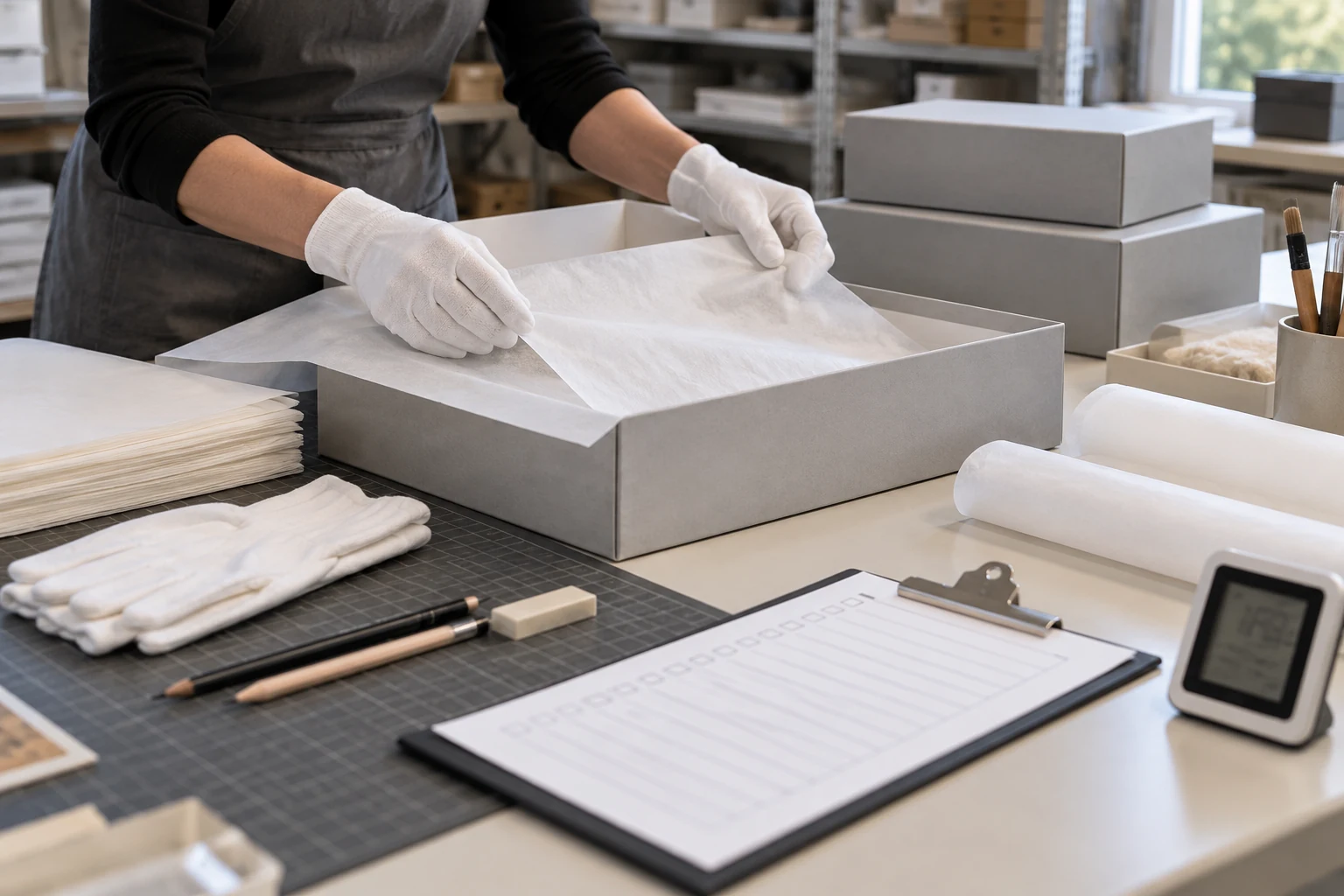
The sources establish three separate facts that should not be collapsed. First, WMF's Watch framework turns nominated heritage risk into visibility, technical review and fundraising strategy; it does not by itself solve long-term public funding. Second, UNESCO's Osun-Osogbo materials show that a living sacred landscape can have intact Outstanding Universal Value while still needing maintenance, conservation planning, water-quality attention, visitor management and staff capacity. Third, the Swiss return shows that objects can return while the public-access plan remains staged and institutionally specific.
That distinction is essential for avoiding overclaiming. The Swiss source says the returned artefacts enable Nigerian institutions, researchers, artists, students and the wider public to study, preserve and interpret the heritage in Nigeria and on Nigeria's own terms. It does not say that every object is immediately on display. The article therefore treats public access as a programme that must be funded, scheduled and explained, not as an automatic result of title transfer.
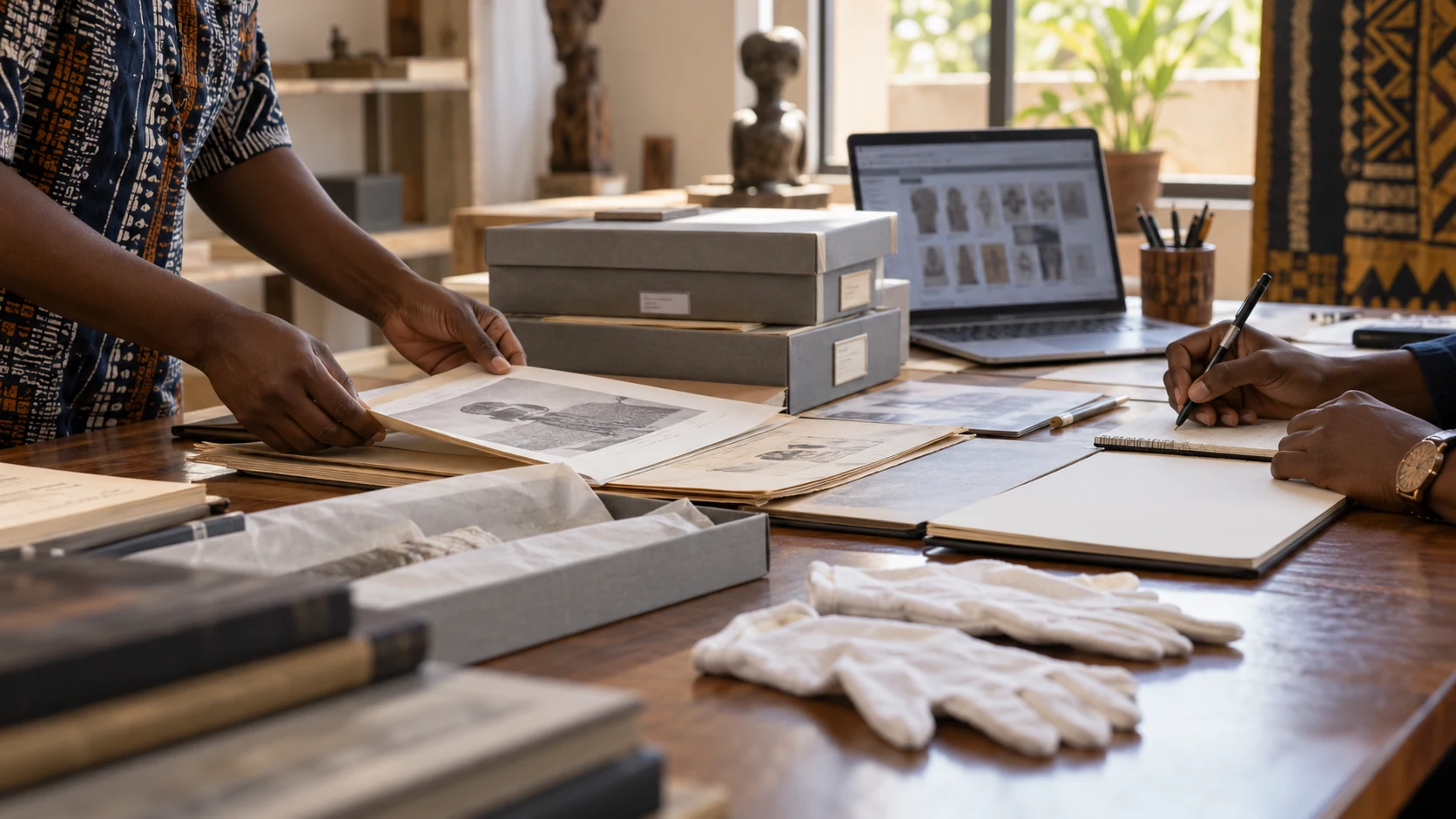
The same logic applies to digital access. Nigeria's recent digital museum work, discussed in Reclaim Your DNA's guide to Nigeria's digital museum and online heritage access, can lower the barrier for students and diaspora families. But online records still need staff time, metadata standards, photography, hosting, permissions, correction workflows and links back to physical custody. A funding shortage can make a digital museum thinner, less current or less trusted even when the idea is sound.
MOWAA's 2026 update gives another useful example without turning the institution into a restitution shortcut. The museum says its Institute remains operational while public access is limited to appointment-only visits during a sensitive period, and that it is continuing research, preservation and training work with donor and institutional support. Its 2026 priorities include making the DRUM West Africa Archives digitally available, stabilising up to 30 modernist works, and strengthening materials and conservation laboratory capacity. That is exactly the sort of less visible work that funding determines.
What remains uncertain
Several uncertainties remain and should be named. The public article about the WMF study reports percentages from the 2027 Watch nominations, but the final Watch list will not be announced until early 2027. That means the evidence is strong as a signal of what nominators see, but it is not yet a final list of selected sites or funded interventions.
It is also unclear how much of the global funding concern maps directly onto Nigerian federal, state, royal, institutional or donor budgets. Nigeria's heritage sector includes NCMM responsibilities, World Heritage obligations, Edo cultural authority, universities, private foundations, international research partners and local custodians. A reader should resist any simple claim that one funding stream can answer all of those needs.
Finally, public access itself has several meanings. It can mean display in Lagos or Benin City, storage access for researchers, community interpretation, school curriculum, digital records, loan agreements, diaspora learning tools, or transparent object histories. Reclaim Your DNA's guide to museum object records for Benin Bronzes is relevant here because access without good records can still leave communities guessing what was returned, what remains abroad and what evidence supports each claim.

Implications for readers and the sector
For Nigerian and Edo diaspora readers, the implication is practical: ask not only whether an object has returned, but what care plan, record plan and public learning plan follows it. A returned object hidden by lack of conservation capacity is not the same public victory as a returned object documented, stabilised, interpreted and made available under Nigerian authority.
For museums and cultural institutions, the funding warning argues for transparent priorities. If budgets are limited, institutions can still build trust by publishing what is known, what is stored, what is on loan, what is awaiting conservation, what is planned for display and what remains uncertain. Clear records reduce speculation and make it easier for donors, schools and communities to support specific needs rather than vague heritage appeals.
For policy makers, the issue is resilience. Heritage budgets may look discretionary when compared with infrastructure, health or security, yet the sources show that cultural places are also public spaces, educational resources, research infrastructure and anchors of identity. Underfunded heritage can become more expensive later when deterioration, rushed storage, poor documentation or unmanaged tourism creates damage that prevention could have reduced.
For educators, the opportunity is to connect global risk to Nigerian examples. Osun-Osogbo can teach living heritage, environmental pressure and visitor management. Returned Benin works can teach legal title, custody and post-return governance. Digital records can teach evidence and provenance. Benin City museum planning can teach that public access needs buildings, labs, training and trust, not only announcements.
Conclusion
The WMF funding warning is useful because it moves the conversation beyond celebration and crisis language. For Nigeria, it asks a harder question: can restitution, sacred-site care and public education be funded as continuing responsibilities rather than as one-time events?
The evidence does not justify panic or easy certainty. It does justify better questions. Who pays for storage and conservation after return? Which records are public? How are communities consulted? What does appointment-only access mean for students and diaspora researchers? Which projects need public money, and which can responsibly use foundation, university or donor support?
A strong Nigerian heritage future will depend on title, custody and authority, but also on the quieter infrastructure of care. Funding is not the whole story. It is the condition that lets records, sites, objects and people remain connected long after the handover photograph has faded.
Conclusion
For readers, the takeaway is simple: treat funding as an access question. The most meaningful return is not only the movement of an object across borders, but the sustained ability of Nigerian institutions and communities to preserve, explain and share it on Nigerian terms.
Frequently Asked Questions
Does funding replace the legal work of restitution?
No. Funding does not transfer title or settle ownership. It supports the care, documentation, conservation and public access that make restitution meaningful after legal or diplomatic return.
Why does a global WMF funding study matter for Nigeria?
Because Nigerian heritage work faces the same post-announcement costs: storage, records, conservation staff, education, site management, digital access and visitor planning.
Is Osun-Osogbo a museum issue or a living heritage issue?
It is a living sacred landscape and a World Heritage property. Its needs include conservation, worship continuity, environmental care, visitor management and community stewardship.
Can digital access solve public access after return?
Digital access helps students and diaspora readers, but it does not replace physical custody, conservation, transparent records, community authority or access to objects and sites.
What should readers ask when a return is announced?
Ask who holds title, where the object is physically kept, what is on display, what is in storage, what records are public, and how conservation and education will be funded.
References and Further Reading
- Inadequate public funding may be the biggest threat facing world heritage, study finds
- World Monuments Watch
- Nominate a Site
- UNESCO World Heritage Centre Decision 48 COM 7B.59: Osun-Osogbo Sacred Grove (Nigeria)
- Looking Forward: 2026 with the Museum of West African Art
- Restitution to Nigeria: Swiss museums return 18 major artefacts