This guide is part of the Reclaim Your DNA research library. It helps readers understand Nigerian heritage, the Benin Bronzes, the 1897 looting of Benin City, and the modern movement for cultural restitution through context, evidence and a concrete path to action.
Read this guide with the Reclaim Your DNA campaign background, the petition, and the wider research library. It builds on our guides to museum object records, tracking title, return and loans, museum labels after restitution, and teaching the Benin Bronzes.
Why university collections deserve separate attention
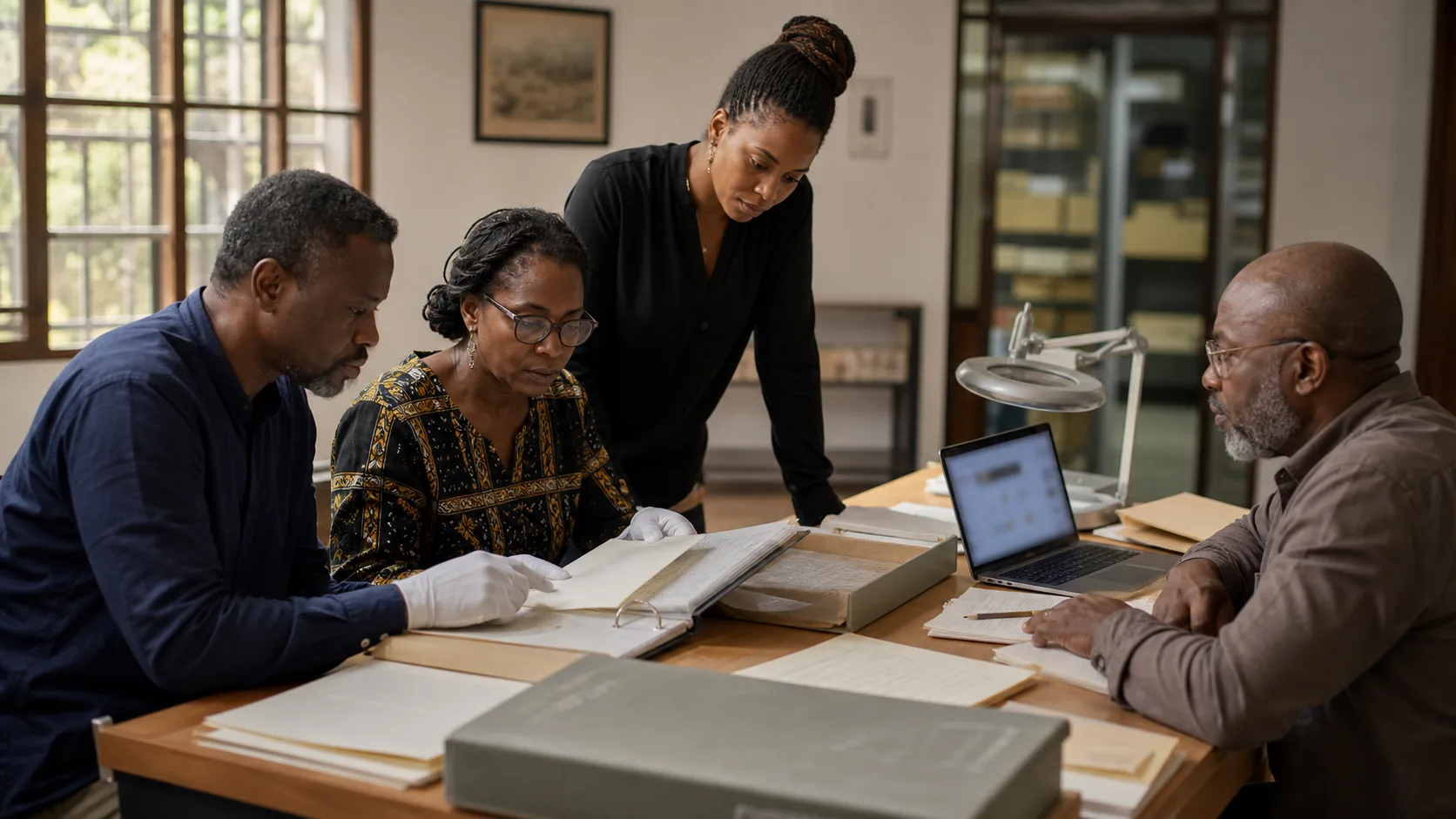
University museums are not side characters in the Benin Bronzes restitution debate. They are teaching institutions, research collections, public galleries, archive holders and training grounds for future curators. When a university holds material linked to the 1897 looting of Benin City, its responsibility is not only to publish a provenance note. It has to decide what its students learn, what its museum labels say, how its archives are opened, and whether its governance recognizes Nigerian authority.
This is different from a national museum case because universities often explain contested collections through education. They may say that objects support research, comparative study, conservation training or public learning. Those aims can be legitimate, but they cannot replace restitution. If a campus collection was built through the same colonial dispersal that placed Benin works across Europe and North America, the university's educational mission should make the duty clearer, not weaker. A teaching institution should be able to teach why title transfer, physical return and Nigerian-led access matter.
Recent university actions show that the issue is current, not historical background. The University of Cambridge announced in 2026 that legal ownership of 116 Benin artefacts from its Museum of Archaeology and Anthropology had transferred to Nigeria's National Commission for Museums and Monuments, with a management agreement involving the Benin Royal Palace. The University of Zurich announced in 2026 that it was returning Benin objects to Nigeria. The University of Aberdeen had already returned a Benin Bronze after concluding that its acquisition was connected to the 1897 British military expedition. These examples create a practical standard for every campus collection still holding related material.
Campus provenance research should lead somewhere
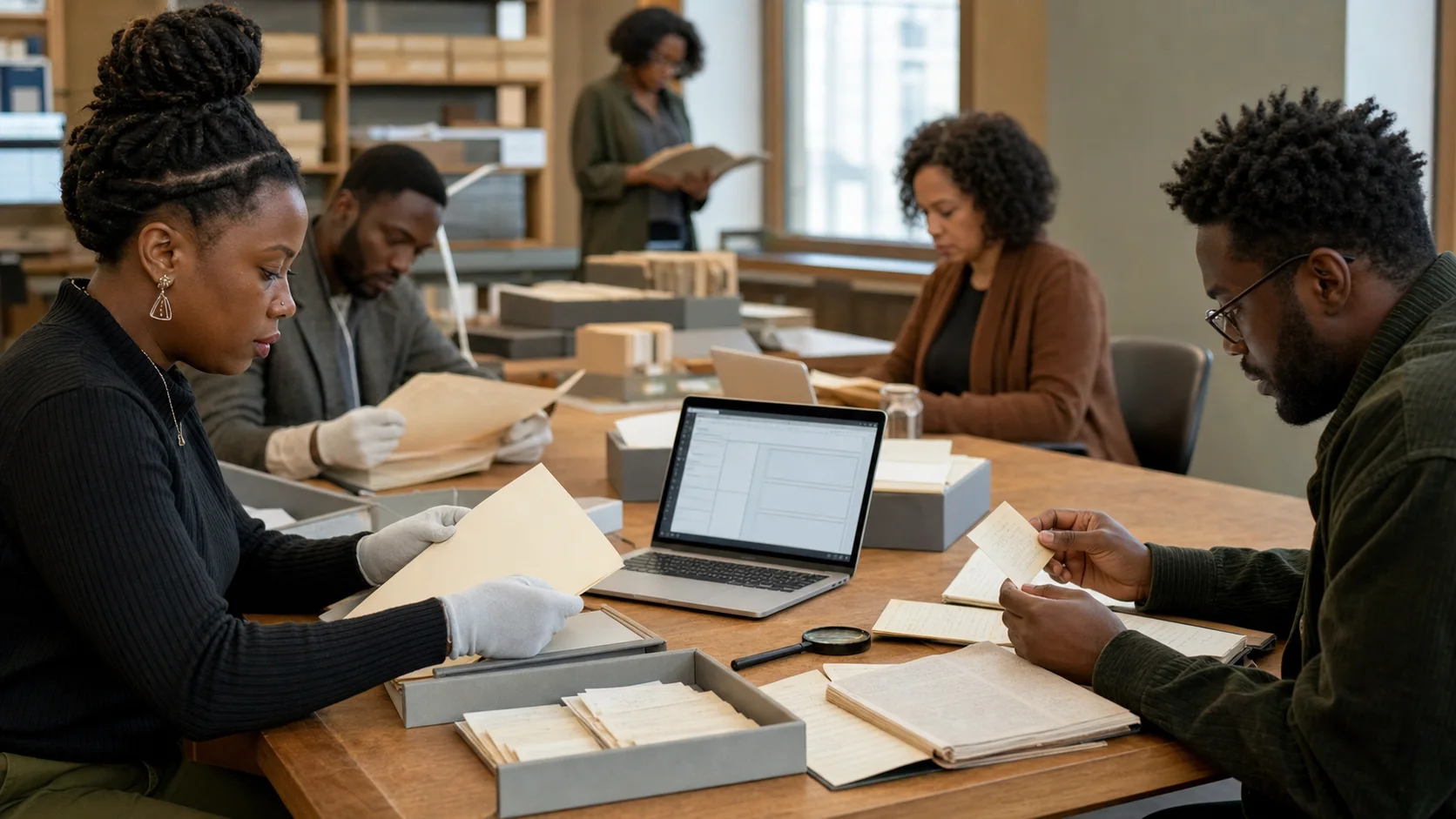
Provenance research is necessary, but it should not become a polite way to postpone a decision. A university has scholars, graduate students, archive staff, museum professionals, ethics committees and public classrooms. That means it has unusually strong capacity to investigate accession records, donor papers, dealer routes, expedition connections, old catalogues and image permissions. If the evidence points back to the 1897 looting of Benin City, the research should lead toward Nigerian authority and a public timetable for action.
Digital Benin gives universities a model for connected research. Its catalogue links thousands of historic Benin objects across many institutions and countries, giving researchers a way to compare museum records, object categories, provenance names and collection histories. A campus museum should not treat its own catalogue as an isolated island. It should connect object records to Digital Benin where possible, state what is known, state what remains uncertain, and make correction routes visible for Nigerian institutions, Edo knowledge holders and researchers.
The public should also be able to tell the difference between an open question and a closed excuse. Some records may need more work. Some object histories may be incomplete. But a university that knows an object is tied to the 1897 dispersal should not keep hiding behind general language about acquired, donated or collected material. Research is credible when it clarifies responsibility. It loses credibility when it turns known colonial violence into permanent uncertainty.
Title transfer changes what a university can teach
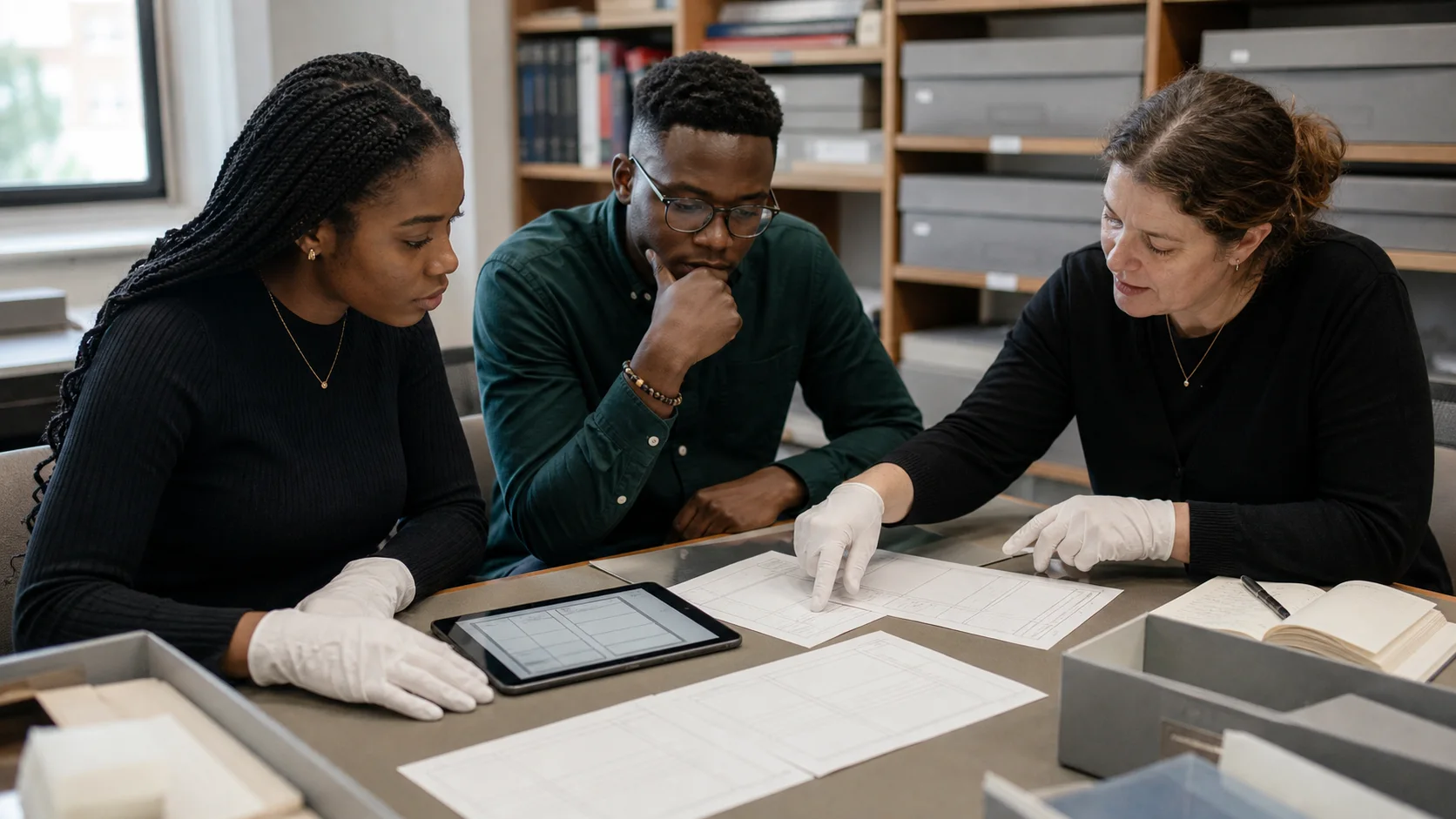
Legal title is not a technical footnote. It changes the moral position from which a university teaches the object. When ownership transfers to Nigeria, the object is no longer being interpreted as a campus possession that may one day be discussed with a source community. It is Nigerian cultural heritage that may be physically returned, conserved, digitized, loaned or displayed under Nigerian authority. That distinction should appear in labels, web records, course materials, press releases and public tours.
Cambridge's 2026 announcement is useful because it separated legal transfer from physical movement and loan arrangements. It stated that ownership transferred to Nigeria's National Commission for Museums and Monuments under a management agreement with the Benin Royal Palace, while noting that some objects would remain in Cambridge on loan for an initial period. That is exactly the kind of distinction students should learn: ownership, custody, loan, display and access are separate facts. A university label should not make visitors guess which one applies.
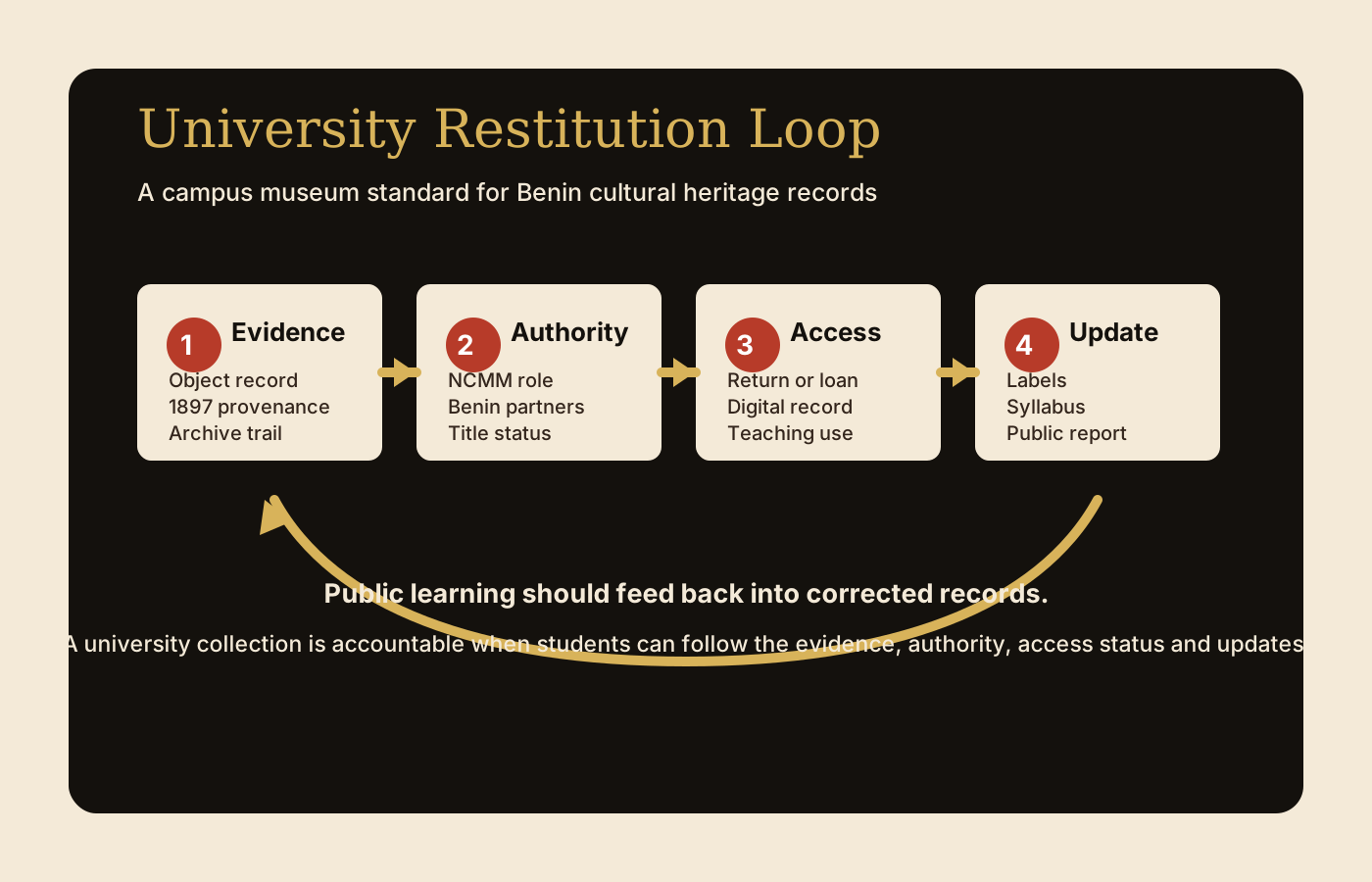
A university that keeps Nigerian-owned objects on campus by loan has a special teaching obligation. The loan should not be presented as a quiet continuation of old possession. It should be explained as a post-transfer arrangement authorized by Nigerian authority. Students should see how restitution can include several stages: evidence, institutional decision, title transfer, physical return, approved loan, updated interpretation, and public access planning. That sequence teaches repair more honestly than a display case that still sounds like colonial collecting.
The classroom is part of public restitution
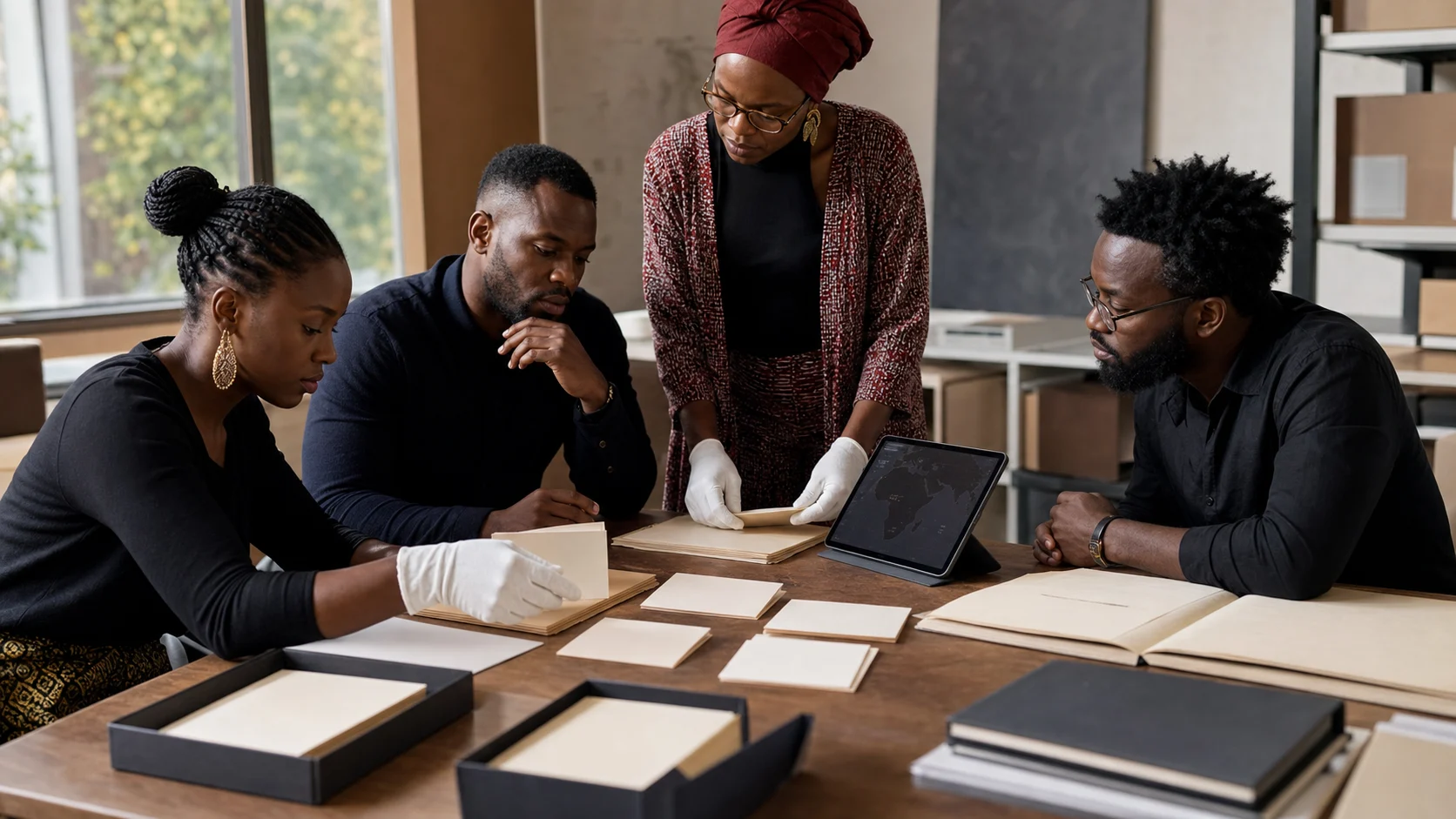
For a university, restitution should enter the classroom as well as the museum store. History departments can teach the 1897 expedition and the political economy of colonial collecting. Art history departments can teach Benin court art without treating foreign museum possession as the natural frame. Law schools can discuss title, deaccession, trust law, international conventions and ethical return. Museum studies programmes can train students to write labels that name Nigerian authority and provenance evidence clearly.
This educational work should not be abstract. Students can read a campus object record beside a Digital Benin entry, a British Museum contested-objects page, a Nigerian institutional statement and a return announcement from Cambridge, Zurich, the Smithsonian or the Netherlands. They can ask what each source makes visible and what each source leaves out. The lesson is not only about Benin art. It is about how institutions produce public memory through records, captions, policies and silence.
Diaspora students should not be treated as symbolic audience members. They are often among the people who feel the cultural absence most directly. Universities should create space for Nigerian and Edo diaspora learners to study the records, question institutional language, invite Nigerian scholars, and build public programming with museums and student societies. A campus that says it values diversity but keeps colonial heritage interpretation unchanged is missing the practical meaning of inclusion.
Digital access must not become a substitute for return
University museums often have strong digitization teams. They can photograph objects, upload catalogue records, publish teaching resources and build online exhibitions. Those tools are valuable, especially for students and diaspora readers who cannot travel to every collection. But digital access must be framed correctly. A high-resolution image of a Benin object is not restitution. A searchable record is not title transfer. An online exhibition is not Nigerian public authority.
The better model is digital access after, alongside or in service of restitution. A university can update a record to show 1897 evidence, current ownership, Nigerian authority, loan status and links to Digital Benin. It can preserve old catalogue language as archive evidence while writing a clearer public summary. It can share images for education when appropriate and respect restrictions when Nigerian partners require them. It can make its own collection history more transparent while supporting Nigerian-led digital museum work.
This distinction matters because digital projects can look progressive while leaving power untouched. A campus museum may invite students to browse an elegant online record and still avoid the harder question of why the object remains under university control. Reclaim Your DNA readers should look for the governance behind the digital page. Who owns the object? Who approves display? Who can correct the record? Who decides whether images circulate? If those answers still center the university alone, the access remains incomplete.
What campus museum records should say now
A campus record for a Benin object should answer the same basic questions that any restitution-era record should answer, but with extra care because students will reuse it. It should identify the object or object group, describe cultural and historical context responsibly, state materials and known function, separate the 1897 removal history from later acquisition, name the donor or collector route where known, and state current ownership, custody and loan status.
It should also make uncertainty honest. If the exact route from Benin City to a university collection is incomplete, say what is known and what is not known. If the object is part of a category widely dispersed after 1897 but the individual chain has gaps, explain that distinction. If title has transferred but physical return is staged, say so. If a loan is approved by Nigerian authority, name that status plainly. Public trust grows when institutions stop polishing uncertainty into silence.
Finally, the record should link outward. Digital Benin, NCMM, university return statements, UNESCO materials on illicit trafficking and return, and public campaign resources can help readers move from one campus object to the wider restitution field. Internal university archives should also be opened where possible. Donor letters, purchase records, old teaching slides and exhibition files may reveal how the campus normalized the object over decades. Those materials are part of the story students need to learn.
University ethics committees should measure access, not only risk
Universities often process return requests through committees, boards, legal offices and museum governance groups. That structure can help because it creates records and review. It can also slow action when the institution defines the problem mainly as legal risk. A serious committee should ask a broader question: what would ethical access look like if Nigerian authority were treated as the starting point rather than a stakeholder comment?
The UNESCO 1970 Convention and UNESCO return-and-restitution work give institutions a public language for preventing illicit transfer and supporting return. Those frameworks do not automatically solve every historical case, especially older colonial removals, but they help establish that cultural property is not ordinary institutional property. Universities should use that language to raise their standards, not to search for the narrowest legal reason to keep possession.
A stronger committee checklist would ask whether the object is linked to the 1897 looting, whether Nigerian institutions have been contacted, whether Edo cultural authority has been considered, whether student teaching materials are accurate, whether public labels have been updated, whether a return timeline exists, and whether continued display is a Nigerian-approved loan rather than unilateral retention. The committee should publish enough of its reasoning for students and the public to understand the outcome.
Reader takeaways for university collections
First, do not treat campus collections as harmless because they are educational. Education can deepen responsibility. If a university teaches with contested heritage, it should also teach the conditions under which that heritage arrived and the steps needed for repair. Second, ask for updated records. A campus museum should not leave students reading an old acquisition note when title has changed or when the 1897 context is known.
Third, separate research from delay. Provenance research should produce public findings, corrected language, Nigerian consultation and decisions about return or loan. Fourth, treat Nigerian authority as the center. A university may be a useful research partner, but it should not remain the final voice over heritage taken from Benin City. Fifth, use campus energy. Students, faculty and alumni can ask precise questions, host source-backed events, and support Nigerian-led access rather than only sharing broad restitution slogans.
The practical action is simple. Choose one university collection record, compare it with Digital Benin and official return announcements, check whether ownership and 1897 history are clear, and ask the university what its next step is. Then share the campaign background, read related guides in the blog, and sign the petition. University restitution work advances when public learning becomes public pressure.
Frequently Asked Questions
Why focus on university collections separately?
Universities teach, research, catalogue and train future museum professionals, so their handling of Benin objects shapes public memory as well as collection policy.
Does provenance research replace restitution?
No. Provenance research should clarify evidence, correct records and support decisions about Nigerian authority, title transfer, physical return, approved loans and public access.
Can a university display a Benin object after title transfers to Nigeria?
Yes, but ethically the display should be a clear Nigerian-approved loan or agreement, with labels and records explaining ownership, custody and access status.
What should students ask their university museum?
Ask whether any Benin objects are linked to 1897, whether records are updated, whether Nigerian authorities are involved, and whether there is a return or loan timeline.
References and Further Reading
- Digital Benin
- Digital Benin: Catalogue
- British Museum: Benin Bronzes
- University of Cambridge: legal ownership of 116 Benin artefacts transferred
- Cambridge MAA: approach to the return of Benin bronzes
- University of Zurich: UZH returns Benin Bronzes to Nigeria
- University of Aberdeen: Benin Bronze returned to Nigeria
- Smithsonian: return of 29 Benin Bronzes
- Government of the Netherlands: 119 Benin Bronzes returning home
- National Commission for Museums and Monuments
- UNESCO: 1970 Convention
- UNESCO: Return and restitution